
Reviewed · COMMUNISM & WWII HISTORY TOURS
Prague: WWII Guided Tour & The Crypt of Operation Anthropoid
Prague’s WWII story comes into sharp focus when you move from ordinary Old Town streets into the crypt where Operation Anthropoid reached its tragic end. This tour connects those places with the people who lived, resisted, hid, and died there.
I like the mix of original artifacts and old photographs, which gives the talk something solid to hold onto. I also like the included public transport ticket, since a short tram ride breaks up the walking and helps link central Prague with the cathedral.
The main drawback is the pace. You cover a lot of ground, and some visitors found the walk strenuous, especially on icy streets. The advertised duration is 150 minutes, but several experiences ran closer to three hours, so wear good shoes and keep your schedule loose.
Key points to know before you book
- Operation Anthropoid ends in a powerful place: You enter the crypt and museum beneath Saints Cyril and Methodius Cathedral, where the resistance fighters made their final stand.
- The U Kunštátů cellars add rare atmosphere: These medieval underground rooms once served as a makeshift shelter and now hold a private WWII collection.
- Guides use more than a script: Pavel, Paul, Hannah, George, Anna, and Ottokar have all led this experience, with old photographs, documents, personal insight, and physical artifacts.
- You see Prague through its wartime scars: The walk points out locations and marks that are easy to pass without knowing their story.
- A tram ticket is included: The ride gives your feet a break and connects the walking portion with the cathedral visit.
- This is best for history-minded visitors: Expect serious subject matter, a lot of information, and plenty of walking rather than a light sightseeing stroll.
Starting beneath the Powder Tower
Meet your guide 30 meters in front of the Powder Tower on Republic Square, near the Náměstí Republiky metro stop. Look for the green kiosk and a guide holding a black umbrella with a white logo.
That meeting point is easy to locate, but give yourself a few minutes to get there. Republic Square is a busy part of central Prague, and the Powder Tower is one of the city’s most recognizable landmarks. You begin among grand streets and familiar sightseeing routes, then shift attention toward the less visible wartime story beneath them.
The tour is in English. Guides have included Pavel, Paul, Hannah, George, Anna, and Ottokar. The strongest part of the guiding is the personal delivery. You get clear explanations, dry humor at times, and answers to questions rather than a string of dates read from a page.
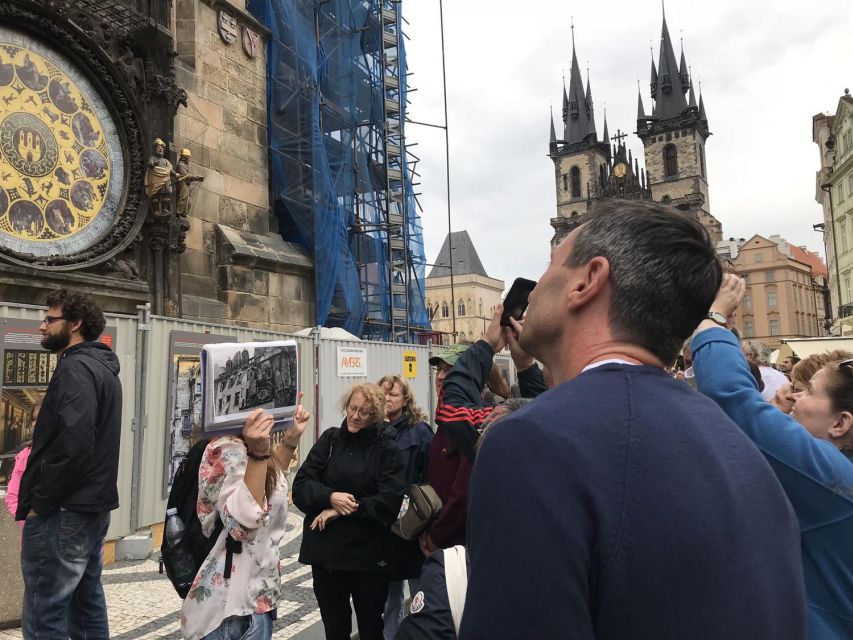
Ottokar, in particular, has used a folder of period photographs to compare occupied Prague with the streets you see today. That simple method works well. A photograph held beside a modern street corner can show how much has changed, while also making the wartime setting easier to picture.
More recent history in Prague:
- Prague: Communism History and Nuclear Bunker Guided Tour
★ 4.7 · 2,417 reviews - Prague Communism History and Nuclear Bunker Tour
★ 5.0 · 1,742 reviews - Communism & Nuclear Bunker Tour + 70s Canteen Lunch (own expense)
★ 5.0 · 1,036 reviews
Old Town streets and the marks of occupation
The opening walk introduces Prague during World War II through actual places in the Old Town. You hear about the buildup to the war, the Nazi occupation, resistance activity, and the effect on ordinary residents.
This part rewards close attention. Prague’s wartime traces are not always dramatic monuments. Some are scars on walls, small plaques, Jewish Stumbling Stones, or buildings tied to events that took place decades ago. Without a guide, you could easily walk past them.
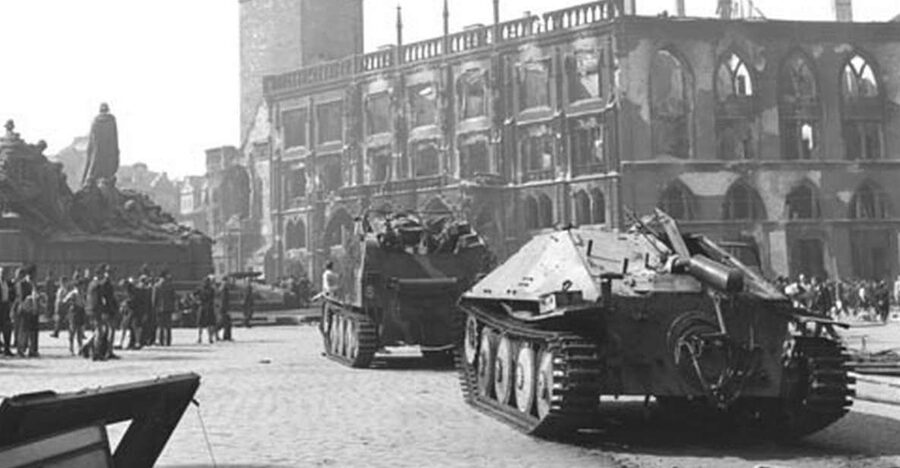
The tour also covers the Prague Uprising and the actions of Czech citizens who resisted the Nazi regime. The emphasis is not only on military operations. You learn how courage often took quieter forms, including helping people, carrying information, and protecting those in danger.
I like this wider framing. Operation Anthropoid is the main subject, but you get enough background to understand the city around it. The tour explains how events before and after the assassination attempt affected Prague and its population, rather than treating the mission as an isolated episode.
The volume of information is high. One guide may spend close to two and a half hours connecting people, places, decisions, and consequences. If you prefer a short overview, this could feel demanding. If you enjoy history, the detail is one of the reasons to book.
U Kunštátů and the medieval cellars
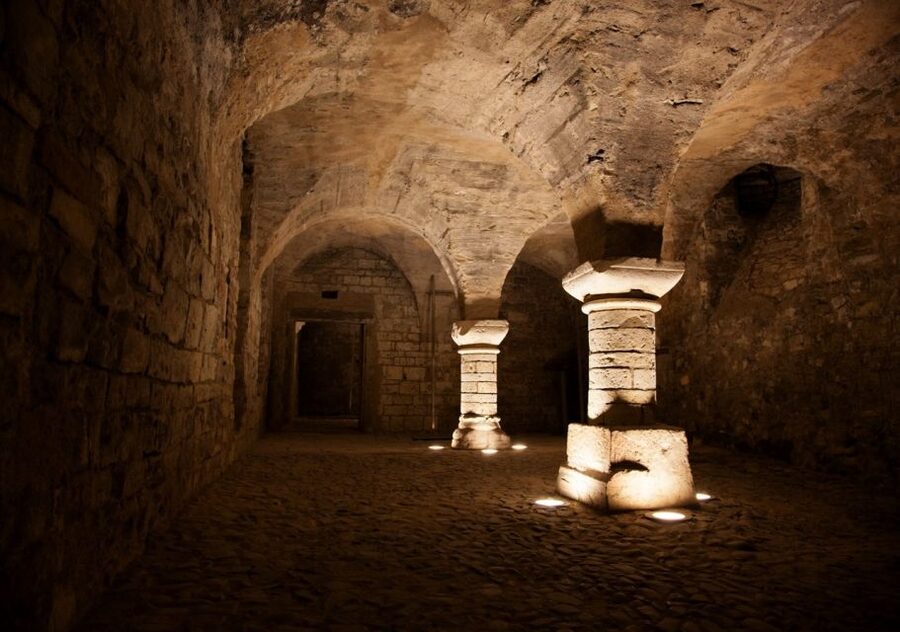
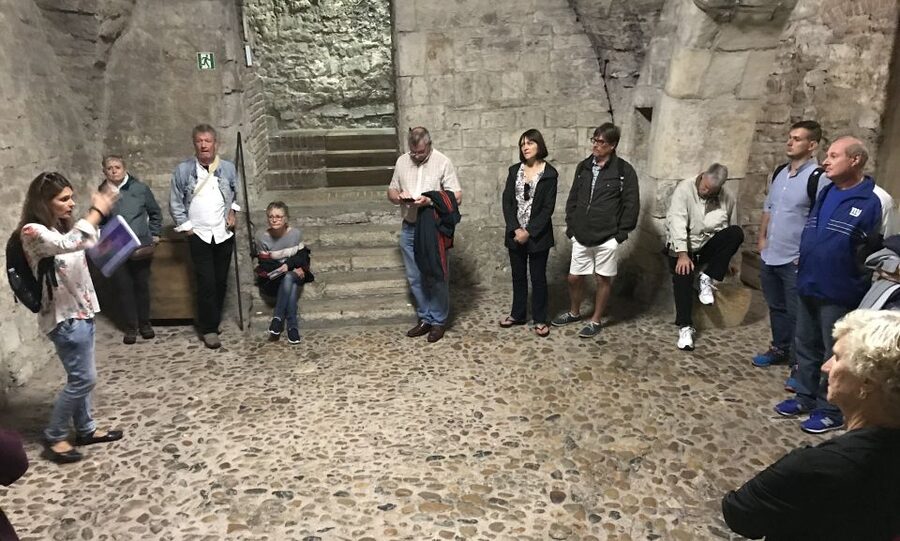
The route continues underground at U Kunštátů, a 12th-century palace in the heart of Old Town. Its medieval cellars once served as a makeshift shelter, giving you a physical sense of how people sought safety below the city.
These rooms change the mood of the tour. On the street, you are looking at modern Prague with the past layered over it. Underground, the setting itself carries age and weight. The cellars are not simply another museum room. Their low, enclosed character helps explain what a shelter might have felt like during wartime.
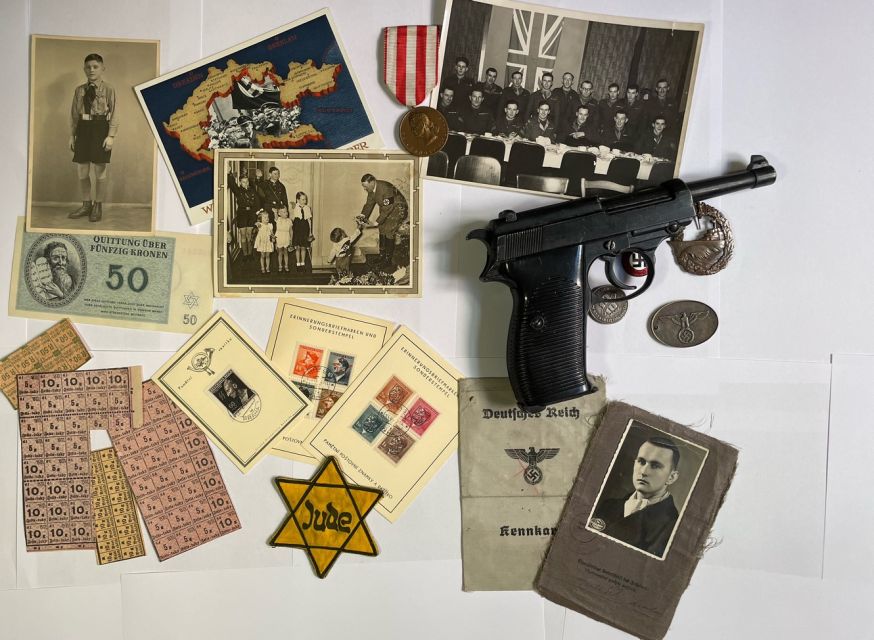
You also see a private collection of WWII artifacts and memorabilia. The material can include original objects and documents, and guides have used these pieces to explain daily life, resistance, and the machinery of the period.
One especially memorable part is the chance to handle some artifacts under the guide’s direction. That is unusual for a city walking tour, and it makes the past feel less abstract. You are not just hearing about an object behind glass. You are considering its size, wear, and purpose in a more direct way.
The collection is a strong reason to choose this tour over a standard Old Town walk. It also depends on how much time the group spends discussing each item, so expect the presentation to vary slightly by guide.
A tram ride that helps the route make sense
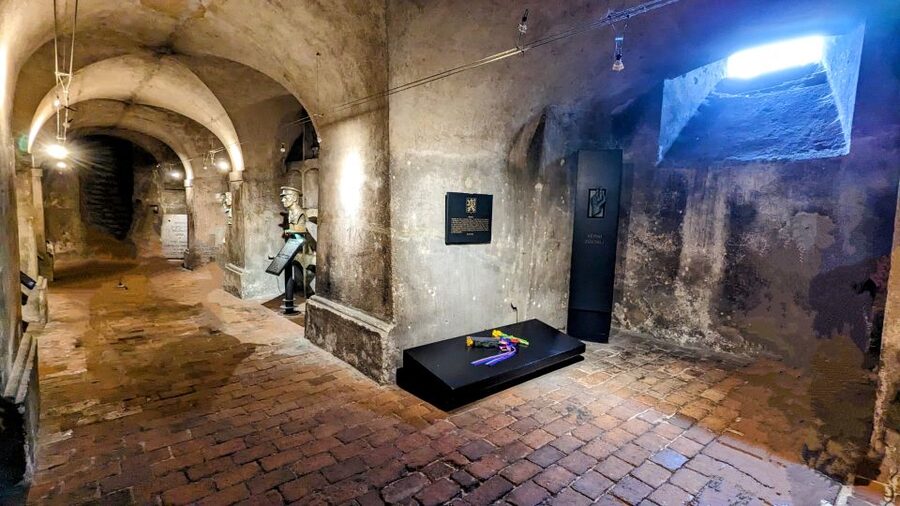
Public transport is included, and the group uses a tram during the tour. This is a practical touch, not just a novelty. It cuts down on the amount of continuous walking and links the Old Town material with the cathedral area.
The tram also fits the story. Prague’s wartime events happened across a real city, not inside one neatly contained museum. Moving through the city helps you understand that the resistance story involved streets, homes, churches, meeting places, and public spaces.
You receive the transport ticket from the guide, so you do not need to arrange that part yourself. Still, stay with the group and listen for instructions, since the tour is built around a shared route.
The total walk can be substantial. One visitor found the distance tiring even while praising the guide, and another recommended comfortable walking shoes after a tour on slippery winter streets. I would take that advice seriously. Wear supportive shoes, especially in rain, snow, or icy conditions.
A few more things to do in Prague worth a look
- Prague: Castle Tour with Local Guide and Entry Ticket
★ 4.6 · 10,422 reviews - Prague: Klementinum Library & Astronomical Tower Guided Tour
★ 4.5 · 5,050 reviews - Prague Guided Walking Tour and Cruise with Authentic Czech Lunch
★ 5.0 · 3,627 reviews - Prague: Old Town and Jewish Quarter Guided Tour in German
★ 4.8 · 3,143 reviews
Operation Anthropoid and the road to the crypt
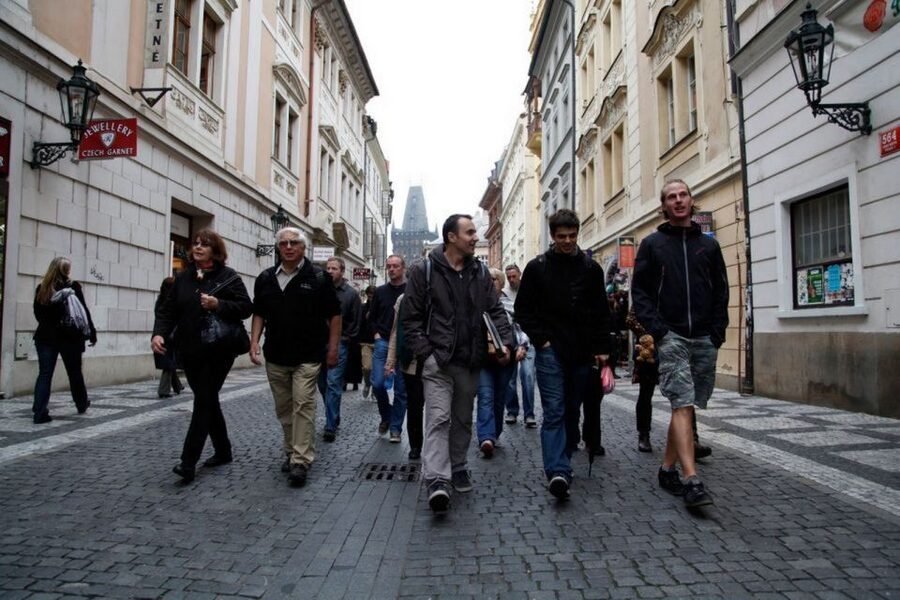
The central story concerns Operation Anthropoid, the resistance mission designed to eliminate SS Obergruppenführer Reinhard Heydrich, one of the Nazi regime’s most feared figures.
The guides explain the mission’s background, its purpose, and the choices made around it. They also place the operation within the wider occupation, so you can better understand why the mission mattered and what followed.
This section carries emotional weight because it leads to the actual site where the story ended. By the time you reach the cathedral, the names, decisions, and risks are no longer loose facts. You have followed them through the city.
The tour also tells the story of the seven men who died in the final resistance effort. The account is presented through the spaces connected with them, rather than only through a museum display. That makes the final stop more meaningful than simply arriving at a famous address and taking a photograph.
The subject is difficult. You hear about Nazi rule, betrayal, sacrifice, and death. This is not a casual sightseeing stop, and children or visitors who want only light sightseeing may find the tone too serious.
Entering Saints Cyril and Methodius Cathedral
The tour ends at Saints Cyril and Methodius Cathedral, where you visit the museum and crypt below the church. The guide explains the significance of the cathedral and the underground spaces before leaving you to enter.
That ending is well judged. The walking portion gives you the facts and setting, while the crypt gives you time to absorb the human cost. The transition from lively streets to a quiet underground memorial is one of the strongest features of the experience.
The crypt is not large, so the visit feels personal rather than grand. You are close to the place associated with the final stand, and the cramped setting makes the danger easier to grasp.
You should not expect a huge museum with endless displays. The power comes from the location, the story leading up to it, and the guide’s explanation. If you already know the basic history of Operation Anthropoid, the site still adds a sense of place that a book or film cannot provide.
How the guiding affects the experience
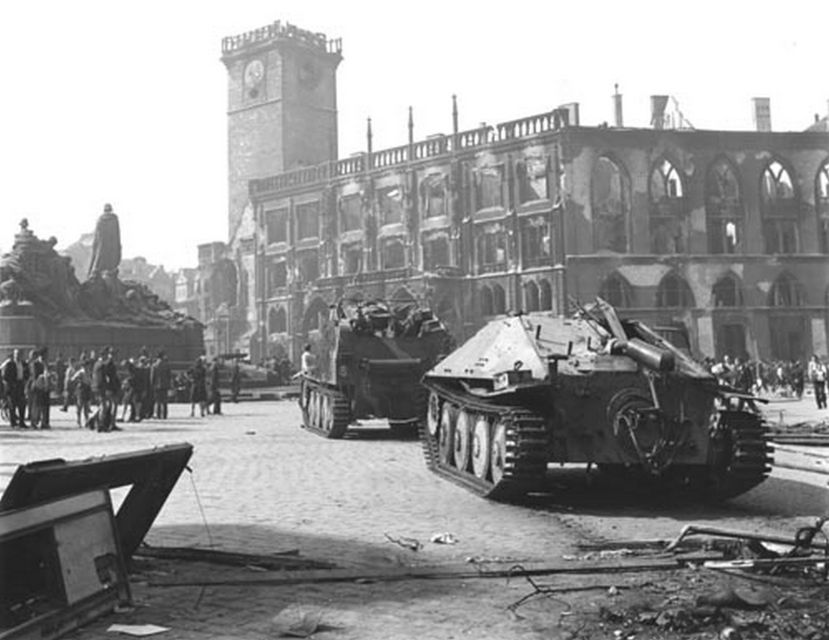
The guides are the main variable in a history tour, and this one has earned strong praise for passionate presentation. Pavel has been described as an excellent historian and storyteller. Paul has been praised for making the subject clear and engaging. Hannah has been noted for her warmth and command of the material.
George has used dry wit and old photographs to keep a serious subject accessible. Anna has handled the route and tram tickets carefully, while Ottokar has brought a folder of photographs and original memorabilia into his talks.
That range matters because the subject contains many names and events. A flat delivery would make the tour hard to follow. Here, the best guides separate legend from fact, explain cause and effect, and welcome questions.
Expect a lot of information. You may hear about prewar Prague, the occupation, resistance networks, Jewish memorials, Operation Anthropoid, the Prague Uprising, and the city’s wider wartime experience in one session.
I recommend taking mental notes rather than trying to remember every name. If you want a detailed introduction before arriving, reading a short account of Operation Anthropoid will help you place the sites in order. You can also simply arrive with an open mind and let the guide build the story.
Is $42 a fair price?
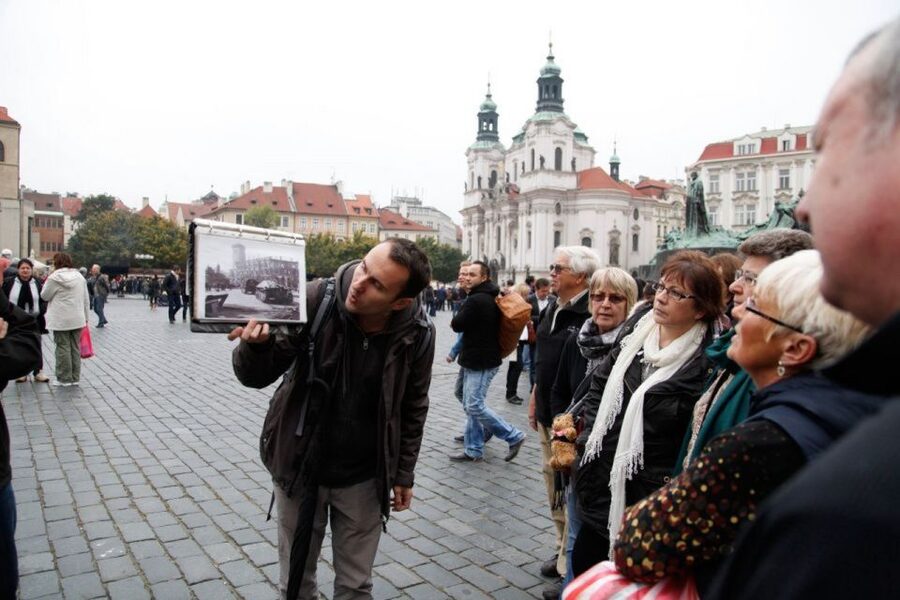
At $42 per person, this is not the cheapest walking tour in Prague. The price includes a live English guide, entry to the U Kunštátů cellars, access to the private WWII collection, entry to the cathedral and crypt, and public transportation.
I think the value is good if you plan to visit the crypt anyway. You are paying for more than admission. The guide supplies the historical links between separate places, and the artifacts and photographs add material you would not get from a basic city walk.
The private collection also gives the tour an unusual edge. Many city tours rely on streets and spoken commentary alone. Here, you get underground rooms, period objects, and a memorial site at the end.
The value is weaker if you want a relaxed stroll with only a little history. The tour is information-heavy and can run longer than the advertised 150 minutes. You are paying for depth, not speed.
Free cancellation is available up to 24 hours before the start, and you can reserve now and pay later. The tour runs rain or shine, so check the forecast and dress for the conditions. Strollers are allowed, but the experience is not suitable for wheelchair users. Pets are not allowed, although service animals are permitted.
Who should book this Prague WWII tour?
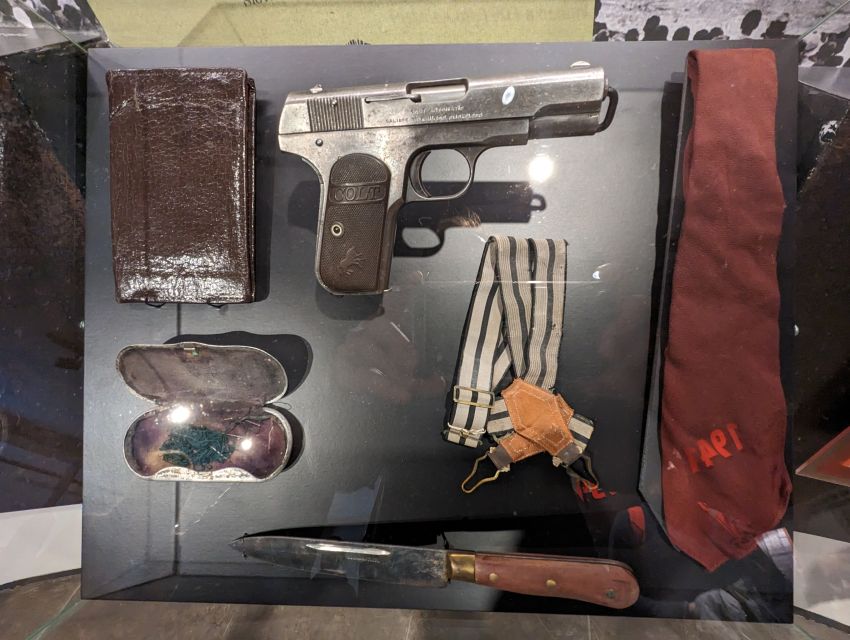
I would choose this experience if you care about World War II, resistance history, modern Czech history, or the moral choices faced by people living under occupation.
It also suits you if you prefer seeing real locations rather than sitting through a long indoor lecture. The route makes the city part of the story, while the cellars and crypt provide two strong indoor anchors.
You do not need to be a specialist. The guides explain the background, and the use of photographs helps keep the events clear. Still, you should enjoy listening for a sustained period and be ready for a serious subject.
Families with older children may find the story meaningful, but the length, walking, and difficult content deserve consideration. The route is stroller accessible, yet it is not designed for visitors who cannot manage the walking and underground sections.
Book it early in your Prague stay if you can. The tour gives you useful context for other parts of the city, particularly the Old Town and the cathedral area. If you are already familiar with the subject, you will still gain from seeing the places and artifacts in person.
Should you book it?
I would book this tour for the crypt, the private artifacts, and the quality of the storytelling. The combination is stronger than a standard Prague history walk, and the route connects the city’s wartime past in a clear, human way.
Skip it if you want minimal walking, a short introduction, or a cheerful sightseeing outing. Choose it if you are willing to spend two and a half hours or more with a serious story, supportive shoes on your feet, and plenty of detail in your head.
FAQ
How long does the Prague WWII tour last?
The stated duration is 150 minutes, or two and a half hours. Some tour experiences have lasted closer to three hours, so allow extra time afterward.
Where does the tour meet?
Meet 30 meters in front of the Powder Tower on Republic Square, near the Náměstí Republiky metro stop. The guide will be beside the green kiosk and will hold a black umbrella with a white logo.
What language is the tour in?
The tour is conducted in English with a live guide.
Is public transportation included?
Yes. A public transportation ticket is included, and the group uses a tram during the route.
Is the tour accessible for wheelchair users?
No. The experience is not suitable for wheelchair users. It is stroller accessible, and service animals are allowed.
What happens if it rains?
The tour operates rain or shine. Dress for the weather and wear comfortable shoes, since the route includes substantial walking.
Just added in Prague
- 1 hour boat cruise with fragrant coffee and homemade strudel★ 4.3 · 27 reviews
- From Prague: Karlstejn Castle Skip-the-Line Ticket and Tour★ 4.2 · 117 reviews
- Prague: Karlštejn Castle Guided Tour with Entry Ticket★ 4.3 · 139 reviews
- Wine Tasting and Walking Tour of Prague★ 5.0 · 157 reviews
- Karlovy Vary Day Trip from Prague★ 4.0 · 147 reviews
- Prague-Vienna One-Way Sightseeing Day Tour★ 5.0 · 108 reviews
- A delightful wine tasting in the scenic countryside with lunch★ 5.0 · 74 reviews
- 2 Hours Wine Tasting in a Historical Cellar in Krizikova★ 5.0 · 51 reviews
Communism & WWII History Tours, compared.
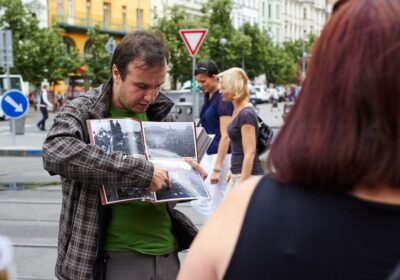
Communism History and Nuclear Bunker Guided Tour
Read our review →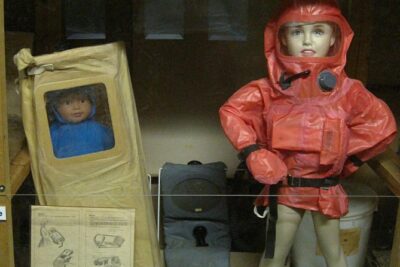
Prague Communism History and Nuclear Bunker Tour
Read our review →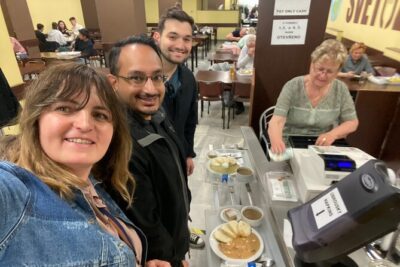
Communism & Nuclear Bunker Tour + 70s Canteen Lunch (own expense)
Read our review →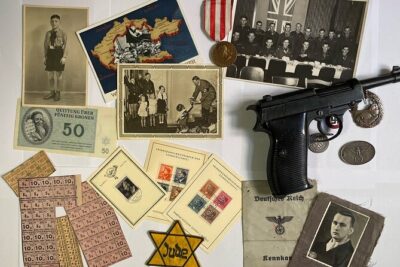
WWII in Prague Tour & The Crypt of Operation Anthropoid
Read our review →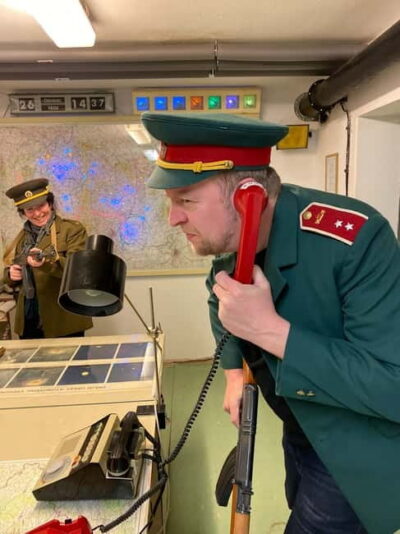
Communism and Bunker Tour with 70s Canteen Lunch
Read our review →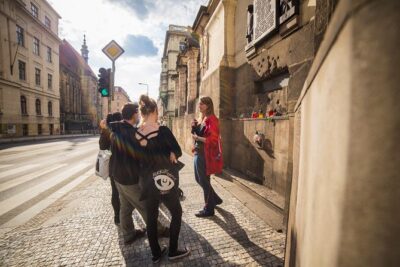
Small-Group World War 2 & Operation Anthropoid Tour in Prague
Read our review →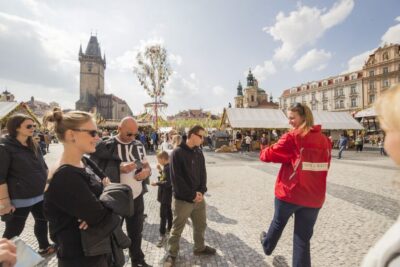
World War 2 and Operation Anthropoid Walking Tour
Read our review →Browse the lists this tour appears in