

Reviewed · COMMUNISM & WWII HISTORY TOURS
Prague Communism and World War II Walking Tour
Prague’s 20th-century story comes into sharp focus on this walk. From the riverfront, you look toward Prague Castle and hear how the city moved from democracy to Nazi occupation, Soviet control, and finally the Velvet Revolution. Along the way, your guide may point out where Stalin’s enormous statue once towered over the city and where Soviet troops fired on the National Museum in 1968.
I like the chronological route, which makes a complicated century easier to follow, and the chance to hear personal memories from local guides such as Tomas and Martin. A former student demonstrator has also led this walk, bringing the 1989 revolution close to the present. The main drawback is that this is an outdoor overview, not a museum or bunker tour. If you want detailed access to wartime hideouts or the Jewish Quarter, you may find the coverage too brief.
Key points to know before you book
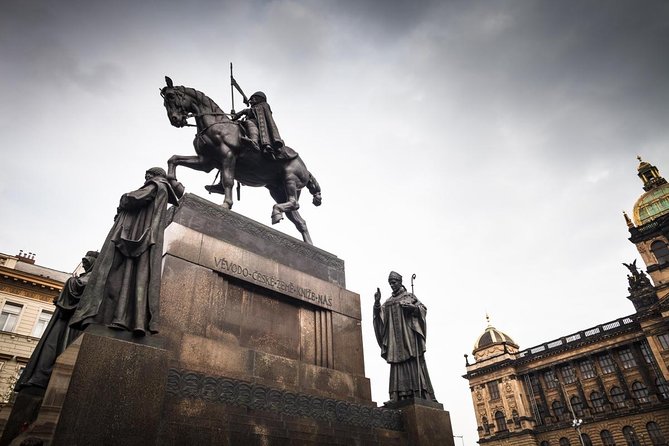
- The route links three major areas: Křižovnické náměstí, New Town, and Wenceslas Square.
- The walk covers both Nazi occupation and communism, with special attention to Operation Anthropoid, Prague Spring, and the Velvet Revolution.
- Personal stories are a major strength: past guides including Tomas, Martin, Maria, Dominick, and a former student demonstrator have added lived experience.
- The tour lasts about two hours, though some outings have run to two and a half or even three hours when questions and discussion took over.
- The group can include up to 25 people, but some departures have been private or nearly private.
- Comfortable shoes matter: you will cover a fair stretch of central Prague on foot.
Why this walk gives Prague’s center a different meaning
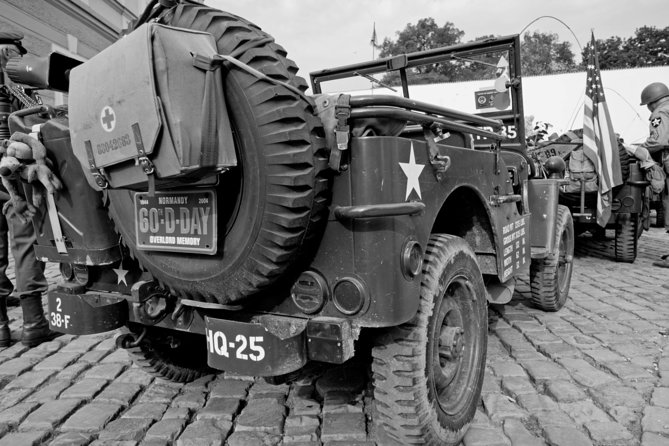
Most first-time walks through Prague focus on medieval lanes, Baroque churches, Charles Bridge, and the castle. Those sights are essential, but they can leave the city’s recent past looking like a footnote. This tour corrects that balance.
The route asks you to read Prague as a city shaped by political pressure. A square is not only a handsome urban space. It may also be where tanks arrived, students protested, police attacked demonstrators, or citizens gathered to demand free elections.
That is useful context because the Nazi and communist periods are not presented as isolated chapters. Your guide connects the end of the Habsburg monarchy, the creation of Czechoslovakia, the Nazi Protectorate, the postwar Soviet takeover, the crushing of the Prague Spring, and the 1989 revolution.
I especially like this structure for a first or second day in Prague. You get a broad map of the city while learning why certain streets and buildings matter. It is an orientation walk with real historical weight, rather than a standard sightseeing circuit with a few political facts added at the end.
The tone also seems flexible. Past outings have included long question-and-answer sessions, personal family stories, restaurant advice, and conversations about school drills and life behind the Iron Curtain. That makes the experience more human than a string of dates.
More recent history in Prague:
- Prague: Communism History and Nuclear Bunker Guided Tour
★ 4.7 · 2,417 reviews - Prague Communism History and Nuclear Bunker Tour
★ 5.0 · 1,742 reviews - Communism & Nuclear Bunker Tour + 70s Canteen Lunch (own expense)
★ 5.0 · 1,036 reviews
Beginning at Křižovnické náměstí and looking toward the castle
The stated meeting point is Křižovnické náměstí, beside the Old Town Bridge Tower in central Prague. This is a convenient place to begin, close to Charles Bridge and served by public transportation. Your guide starts with a view toward Prague Castle, the long-standing seat of Czech rulers and presidents.
The first surprise is political rather than architectural. From this elegant part of the city, you learn about the huge statue of Joseph Stalin that once dominated Prague. It was the largest Stalin statue in the world, a blunt symbol of Soviet power above the city.
That opening works well because it ties a familiar Prague view to the communist period. You are not simply told that the USSR influenced Czechoslovakia. You see how the city itself was used to display that authority.
This first stop is short, about 15 minutes, so do not expect a full treatment of the castle or the bridge. The castle is a visual reference point, not the main attraction. If you have already seen Charles Bridge, the value here is the political explanation rather than new architecture.
The starting spot can be crowded, especially near the bridge. Arrive with enough time to identify the guide and avoid beginning the walk flustered. The tour is offered in English, and confirmation is provided when you book.
New Town and the road from democracy to occupation
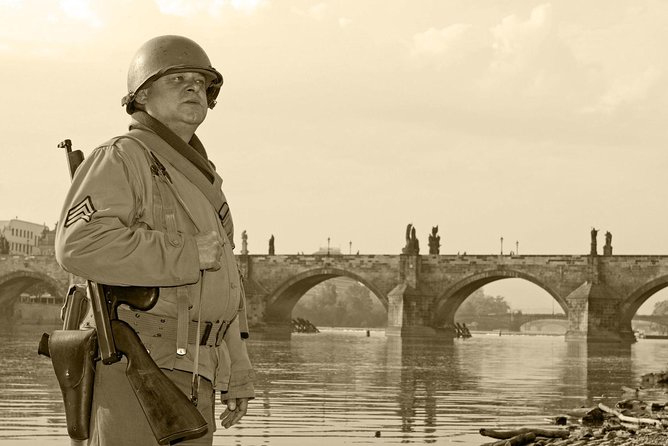
The New Town section is where the tour widens its lens. Your guide explains how the Czech lands moved from the Austrian monarchy to an independent Czechoslovak state after World War I. The new country became one of the stronger economies in its era and remained the last functioning democracy in Central and Eastern Europe after 1933.
That background matters. Without it, the Nazi occupation and communist takeover can sound like two unrelated disasters. The earlier democratic success shows what was lost.
You then move into the period of the Nazi Protectorate of Bohemia and Moravia. The focus includes the suffering caused by occupation and Operation Anthropoid, the mission that killed Reinhard Heydrich, a senior Nazi official. The tour presents this as the only successful assassination of a senior Nazi leader during World War II.
Operation Anthropoid is one of the most compelling parts of Prague’s wartime story, but this walk is still an overview. You will hear the political and human importance of the mission, though you should not expect the detailed bunker visit or parachutist hideout stops offered by some separate history tours.
That distinction is important when choosing. I would book this experience if you want the wider story of how Prague changed through the 20th century. I would choose a more specialized WWII tour if your main goal is the resistance network, the assassins’ final stand, or physical wartime sites.
The New Town section also covers the postwar shift toward communism. Your guide explains how Soviet influence grew after the war and how a formerly democratic state became a strict dictatorship. The emphasis is on methods and consequences: political control, reduced freedom, and a system in which individual life carried little weight.
Wenceslas Square and the shock of Prague Spring
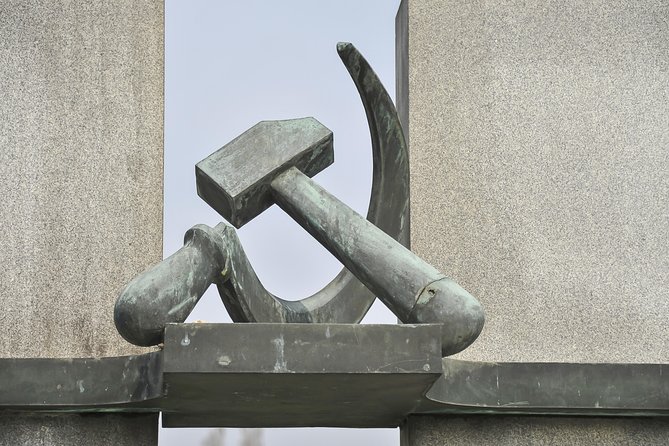
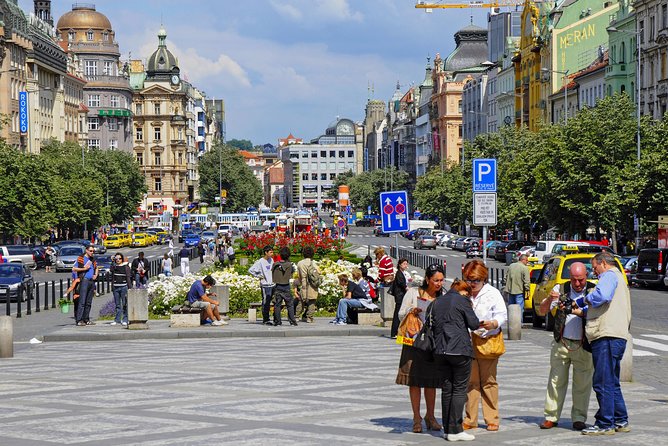
The longest stop is Wenceslas Square, where the walk spends about an hour. This is the emotional center of the route and the place where the historical sequence becomes especially easy to picture.
In 1968, reformers tried to create a more open form of socialism during the Prague Spring. The experiment ended when Soviet-led forces invaded. Your guide explains how tanks entered Prague and how the National Museum was hit by gunfire.
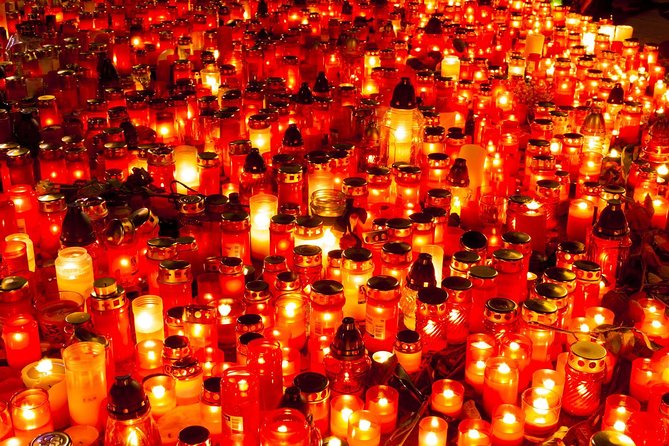
The square also carries the memory of Jan Palach and Jan Zajíc, young students who set themselves on fire in 1969 as a protest against the occupation and the collapse of reform. The subject is painful, and a good guide needs to handle it with care. Here, the story helps explain how public hope gave way to fear and political silence.
You will also hear about the 1970s and 1980s, the Brezhnev Doctrine, and the long process by which communist rule began to weaken. The tour does not treat 1989 as an event that appeared from nowhere. Instead, it shows the pressure building through student activism, civic courage, and growing resistance to police control.
For me, this is where the route earns its price. A building or square can look completely ordinary until you know what happened there. Wenceslas Square becomes a record of invasion, mourning, protest, and national hope.
More walking routes in Prague:
- Prague: 3-Hour Walking Tour of Old Town & Prague Castle
★ 4.7 · 5,696 reviews - Prague: Ghost Walking Tour Where Legends Come To Life
★ 4.4 · 5,253 reviews - Prague: Jewish Quarter Walking Tour with Admission Tickets
★ 4.7 · 3,729 reviews - Prague Guided Walking Tour and Cruise with Authentic Czech Lunch
★ 5.0 · 3,627 reviews
The Velvet Revolution and a guide’s personal memory
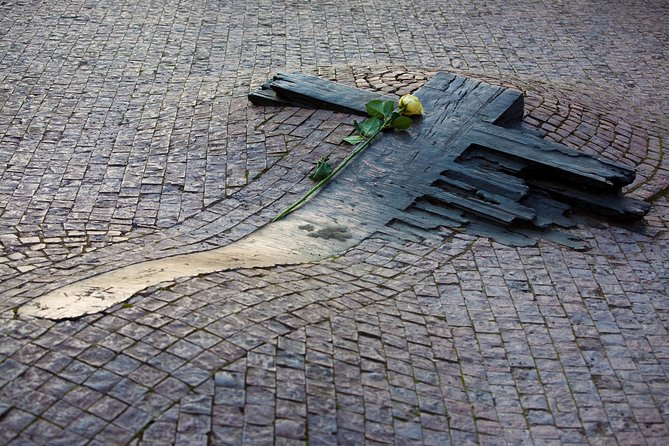
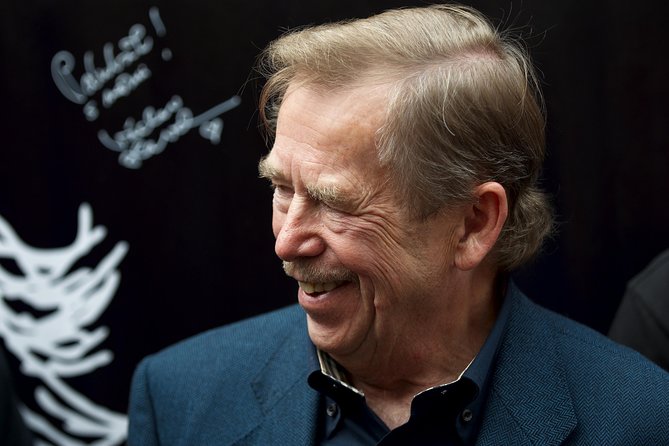
The final section covers the demonstrations at Národní třída and the Velvet Revolution of 1989. You hear about Václav Havel, student protesters, police violence, and the events that brought more than four decades of communist rule to an end.
A former student demonstrator has led this experience, giving the story a rare first-person connection. That does not mean every departure includes the same guide, but it shows the kind of local perspective the tour can offer. Guides such as Tomas and Martin have also added family experiences and memories of growing up under communism.
Those personal details are valuable because political systems are easiest to understand through daily life. Schoolchildren practicing atomic drills, families adjusting to official restrictions, and adults learning how carefully to speak all show you what communism meant beyond its formal institutions.
The tone is not solemn from start to finish. Guides have included humorous and odd stories about the early years after freedom, along with practical advice about food and other sights. That lighter material helps the walk finish as a conversation about a living country, not a memorial service.
Some accounts describe guides extending the walk well beyond two hours because the group had many questions. That can be a benefit if you enjoy discussion, but do not build a tight lunch or museum booking immediately afterward. The advertised duration is approximately two hours, not a guaranteed finish time down to the minute.
What the guide can add to the experience
The guide matters more here than on a simple route-finding walk. Dates and political labels are easy to read in a book. The value comes from having someone explain how the events connect and answer your questions in plain language.
Tomas has been described as articulate and engaging, with a useful blend of national history, family background, and life in Prague from the 1970s onward. Martin has led several outings and is noted for clear explanations and personal stories about the communist era. Maria has taken groups to less familiar parts of the city and extended the walk for an especially interested group.
Other documented guides include Dominick, who handled detailed questions from a visitor with strong historical knowledge, and younger guides who surprised groups with their strong English and mature command of the subject. The exact guide depends on the departure, so you should not book on the assumption that one named person will lead your walk.
Small groups can change the experience considerably. The maximum is 25 people, but some departures have had only two participants or even a single booking. A private-feeling walk gives you more room to ask about family life, politics, and the meaning of particular sites.
At the same time, a larger group may feel less intimate. Make sure you can hear clearly at street corners and keep close when the guide moves between stops.
Price, pace, and practical value
At $30.12 per person, this is reasonably priced for a two-hour guided walk in central Prague. You are paying for an English-speaking professional guide and a carefully linked explanation of modern Czech history. There are no food, drink, or museum admission costs included.
The value is strongest if you would otherwise spend hours trying to connect scattered monuments and plaques on your own. The guide gives you a usable framework, then points out details you might walk past.
The value is weaker if you already have a strong command of Czech and European 20th-century history and want access to interiors. This is an outdoor walking experience. It does not include entry to the Museum of Communism, though that museum makes a sensible follow-up for anyone who wants exhibits and objects after the tour.
Wear comfortable shoes. The route is manageable, but it covers several central areas and includes enough walking that poor footwear will distract you. The tour begins at 10:00 a.m., which leaves much of the afternoon free for museums, the castle, or a more specialized WWII visit.
Children can participate, but they must be accompanied by an adult. Most people can take part, and the route is near public transportation. The subject matter includes occupation, violence, suicide, dictatorship, and repression, so parents should decide if the material suits their children.
Free cancellation is available up to 24 hours before the start time. Inside that window, the payment is not refunded and changes are not accepted.
Who should choose this Prague history walk?
I would recommend it to you if you enjoy history but want it tied to real streets and buildings. It suits first-time visitors who want an orientation to central Prague, as well as returning visitors who have already seen the castle and Charles Bridge and want a less familiar side of the city.
It is particularly good for people interested in:
- The Nazi Protectorate and Operation Anthropoid
- The rise and methods of communist rule
- Prague Spring and the 1968 invasion
- Václav Havel and the Velvet Revolution
- Local memories of life behind the Iron Curtain
- A guide-led discussion rather than a silent audio tour
I would be cautious if your main interest is Jewish Prague. One account found the Jewish Quarter explanation too brief, and the route gives greater weight to the wider political story. Likewise, choose another experience if you want underground tunnels, resistance hideouts, or a detailed visit to wartime sites.
Should you book it?
Book this walk if you want a clear, human explanation of how Prague moved from democracy to occupation, dictatorship, protest, and freedom. The combination of central sights, personal memories, and a chronological story gives the city a sharper meaning for the rest of your stay.
Skip it if you want interiors, museum displays, or a tightly focused WWII investigation. For most history-minded visitors, though, $30.12 is a fair price for a thoughtful two-hour introduction, especially if you get a guide such as Tomas, Martin, Maria, or Dominick and have time to ask questions.
FAQ
Where does the Prague Communism and World War II Walking Tour begin?
The stated meeting point is Křižovnické náměstí beside the Old Town Bridge Tower in central Prague.
Where does the tour finish?
The tour ends in Prague city centre. The route includes New Town and Wenceslas Square, but the exact final point should be checked in your booking details.
What time does the tour start?
The scheduled start time is 10:00 a.m.
How long does the walking tour last?
The advertised duration is approximately two hours. Some outings have lasted longer when the group asked many questions or continued the discussion.
Is the tour offered in English?
Yes. The tour is offered in English and includes a professional guide.
What does the price include?
The $30.12 price includes the guided walking experience. Food and drinks are not included, and the tour does not include museum admission.
Can children join the tour?
Yes, most people can participate, but children must be accompanied by an adult.
Just added in Prague
- World War II 4WD Tour from Prague with Lunch★ 4.4 · 3 reviews
- WWII and Communism History in Prague’s Old Town Private Tour★ 5.0 · 4 reviews
- Prague: Historical Walking Tour with Focus on World War 2★ 4.3 · 12 reviews
- Unique salt cave in Prague★ 4.9 · 10 reviews
- Walking tour of Prague in french: Old Town & Charles Bridge★ 4.9 · 62 reviews
- Prague: Market Tour and Traditional Czech Cooking Class★ 4.7 · 19 reviews
- Ultimate Unlimited Beer Pong with Czech Beer★ 4.6 · 5 reviews
- Walking tour of Prague in French : Nové Město★ 4.9 · 16 reviews
Communism & WWII History Tours, compared.
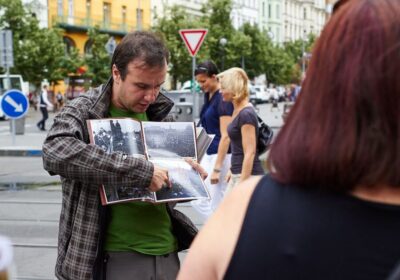
Communism History and Nuclear Bunker Guided Tour
Read our review →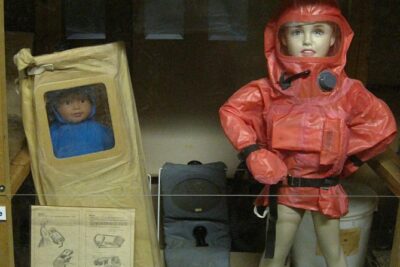
Prague Communism History and Nuclear Bunker Tour
Read our review →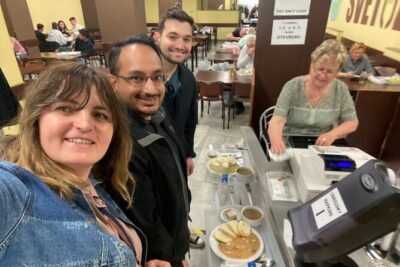
Communism & Nuclear Bunker Tour + 70s Canteen Lunch (own expense)
Read our review →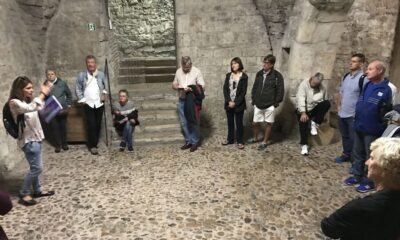
WWII Guided Tour & The Crypt of Operation Anthropoid
Read our review →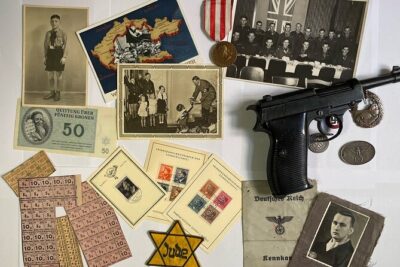
WWII in Prague Tour & The Crypt of Operation Anthropoid
Read our review →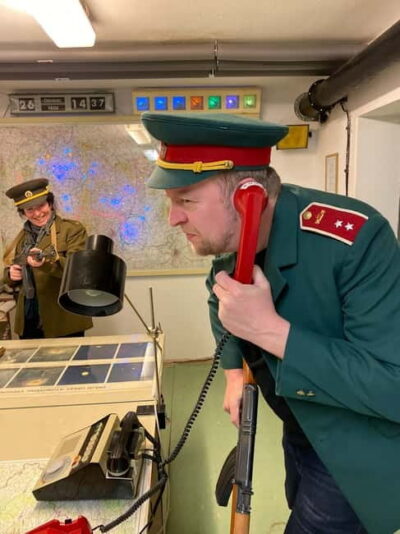
Communism and Bunker Tour with 70s Canteen Lunch
Read our review →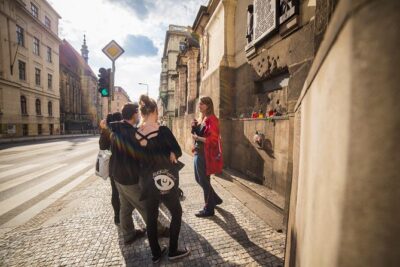
Small-Group World War 2 & Operation Anthropoid Tour in Prague
Read our review →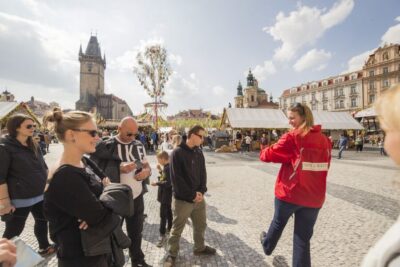
World War 2 and Operation Anthropoid Walking Tour
Read our review →Browse the lists this tour appears in