
Reviewed · COMMUNISM & WWII HISTORY TOURS
Prague Communism tour with visit of Communism museum
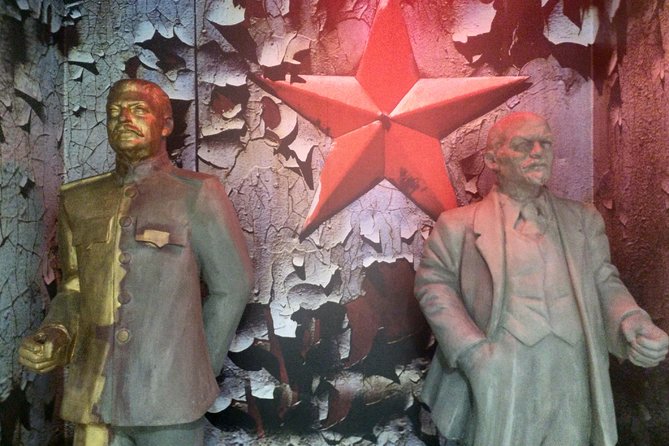
Prague’s communist past becomes far more understandable when you connect the museum displays with the actual streets where protests, arrests, and political change unfolded. This private tour pairs the Museum of Communism with Wenceslas Square, Národní třída, and the Jan Palach Memorial, giving you both background and place.
I like the personal scale of the tour and the chance to hear from guide Lenka, who grew up under communist rule and brings family stories into the discussion. I also like the route’s focus on the Velvet Revolution and Jan Palach, rather than a broad, rushed survey of Czech history. The main drawback is cost: at $114.39 per person, plus the €15 museum ticket, this is not a budget walk.
Key points to know before booking
- Personal stories from communist-era Prague: Guide Lenka connects political events with the effects on ordinary families.
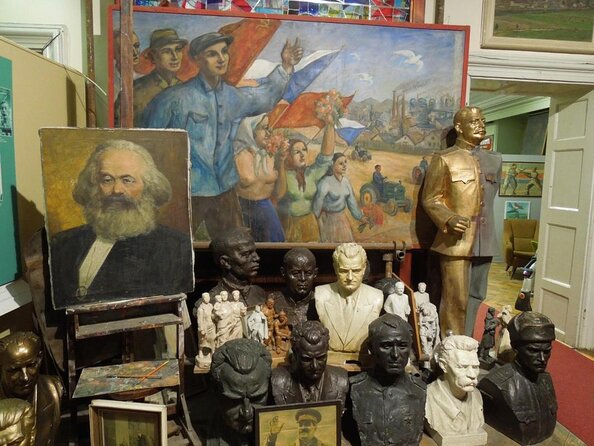
- Museum and street sites work together: The Museum of Communism gives you context, while the walk shows where major events happened.
- Private tour format: Only your group participates, so you can ask questions and set the pace within the three-hour schedule.
- Important Velvet Revolution locations: You visit Národní třída, Wenceslas Square, and the Jan Palach Memorial.
- Museum ticket costs extra: Allow €15 per person in addition to the tour price.
- Central finish: The tour ends at Národní třída, close to central Prague transport and other sights.
Why this tour adds meaning to central Prague
Prague can look polished and historic at street level, but its communist-era story is easy to miss. You may walk across Wenceslas Square without realizing how often it served as a stage for political speeches, public anger, and national celebration.
This tour gives you a way to read the city differently. Instead of treating communism as a distant chapter in a textbook, you connect it to squares, streets, memorials, and individual lives. That approach matters in Prague, where the political changes of the twentieth century took place in the same central areas you visit for shopping, architecture, and cafés.
I especially like the balance between the museum and the walking route. The museum provides objects, photographs, and explanations. The outdoor stops show you the physical setting, which helps clarify the scale of public demonstrations and the courage involved in opposing the state.
Because the activity is private, you are not sharing the guide with a large group. That makes it easier to ask direct questions about daily life, family pressures, public protest, or the transition from communist rule to democracy. You should still expect a structured three-hour tour, not an open-ended seminar, but the format gives you more room for conversation than a standard group walk.
More recent history in Prague:
- Prague: Communism History and Nuclear Bunker Guided Tour
★ 4.7 · 2,417 reviews - Prague Communism History and Nuclear Bunker Tour
★ 5.0 · 1,742 reviews - Communism & Nuclear Bunker Tour + 70s Canteen Lunch (own expense)
★ 5.0 · 1,036 reviews
Inside the Museum of Communism for about 90 minutes
The Museum of Communism is the longest stop, with about an hour and a half allotted to it. Admission is not included, so you pay the €15 entrance fee per person separately.
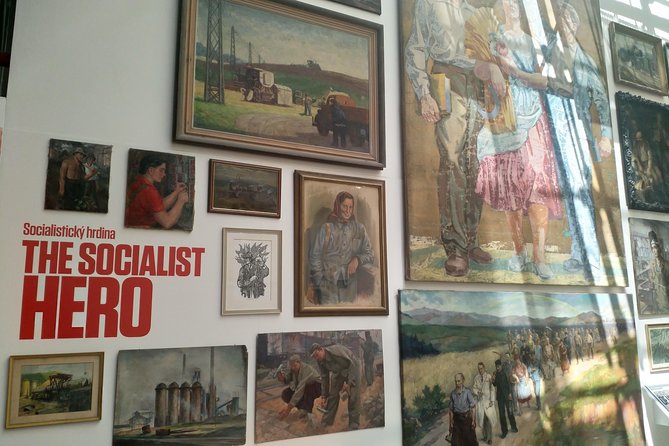
The museum is useful because it puts the political story into a daily setting. You are not only looking at leaders and major dates. The displays help explain how a political system affected work, family life, education, public speech, and personal choices. That wider view is important if you know the headline events but not what communist rule felt like at home.
Guide Lenka’s role can make this visit more useful. She grew up under communism, and her family stories add a human layer to the material on display. You can see how a museum explanation and a personal memory differ, then consider both together. The personal details do not replace the exhibits, but they can help you understand why certain events mattered so much to Czech people.
The museum stop also gives you a place to pause and absorb difficult material. The subject includes repression, protest, restrictions, and the costs paid by people who challenged the system. This is not a light sightseeing stop, and you should allow yourself time to think rather than race through the rooms.
One practical point matters: the schedule identifies the museum as the first stop, while the walking portion covers the central sites afterward. The exact way your guide handles the museum discussion may depend on timing, but you should expect a substantial museum visit rather than a quick glance at a few displays.
Wenceslas Square and the public face of change
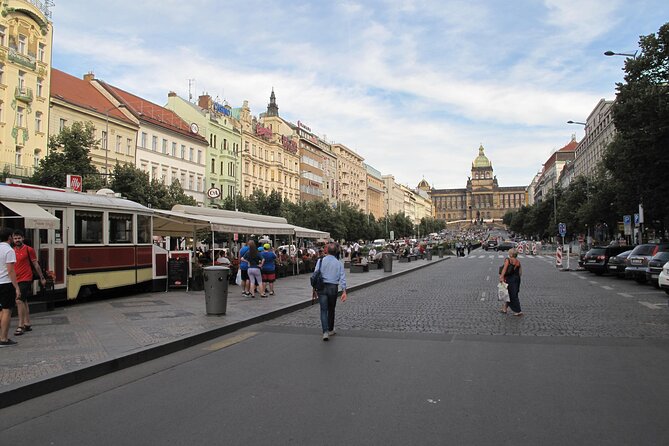
The tour spends about 20 minutes at Wenceslas Square. This broad central space is an essential setting for understanding modern Czech political life.
Here, your guide can explain the role of the square in the major events between 1948 and 1989. The location helps you picture how public gatherings worked in practice. A large open urban space can bring people together, make a political message visible, and put pressure on those in power.
The square is also a good reminder that history does not always happen in places that look solemn. Today, you may notice shops, trams, traffic, and ordinary city life. That everyday setting can make the past harder to spot, which is exactly why a guide is useful.
I would not expect a long lecture at this stop. Twenty minutes is enough for the main story, a few key dates, and questions. If you want a detailed account of every event connected with the square, you may need to use the museum time or ask your guide to point you toward further reading.
The stop works best when you pay attention to the relationship between the physical space and mass protest. You are not simply taking a photograph of a famous Prague square. You are considering why this particular place could carry such political weight.
Národní třída, where the Velvet Revolution began
Národní třída is one of the most important stops on the route. It is identified as the place where the Velvet Revolution was sparked, and the tour ends in this central area.
The Velvet Revolution of 1989 brought the end of communist rule in Czechoslovakia through mass public action and political change. The street setting makes the story immediate. You are standing in the area connected with the events rather than hearing about them from a distant viewpoint.
This is also where the tour’s two parts come together. The museum helps you understand the system and the years leading up to 1989. Národní třída then shows you the location tied to the breakthrough. The result is a clearer sequence: life under the system, rising opposition, public action, and eventual change.
The stop lasts about 20 minutes, so I would use that time to ask focused questions. You might ask how the events unfolded, what ordinary people knew at the time, or how the demonstrations affected Prague families. Since the tour is private, you have a better chance of shaping this conversation around your interests.
The tour ends at Národní třída, which is convenient if you want to continue exploring central Prague. You are not sent back to the starting point, so plan your next stop from the city center rather than assuming you will return to V Celnici.
A few more things to do in Prague worth a look
- Prague: Museum of Fantastic Illusions Entry Ticket
★ 4.3 · 4,337 reviews - IAM Illusion Art Museum Entry Ticket
★ 4.2 · 1,664 reviews - Prague: Museum of Senses Admission Ticket
★ 4.0 · 1,445 reviews - IAM Illusion Art Museum Prague Fast Pass Ticket
★ 5.0 · 957 reviews
Jan Palach and the personal cost of protest
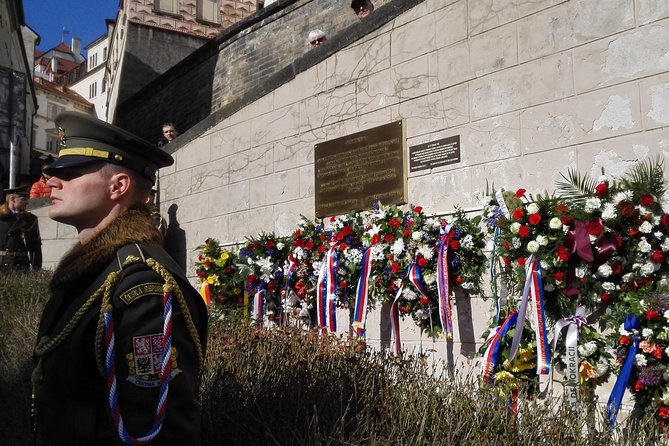
The Jan Palach Memorial receives another 20 minutes. Palach became a symbol of resistance after setting himself on fire in protest against the Soviet-led invasion and the political direction of Czechoslovakia.
The memorial makes the political story personal. Instead of thinking only about governments, parties, and public demonstrations, you confront the decision of one student who believed that an extreme act was needed to wake people from resignation.
The route also includes references to a death mask of a student who burned himself in protest and sculptures representing the way oppression can damage the human spirit. These details give the walk a more emotional edge. They are not just decorative objects. They help you think about protest, sacrifice, fear, and the psychological effect of living under a system that limits open opposition.
This stop may be difficult, especially if you prefer lighter sightseeing. I think the subject deserves a calm and respectful approach. The guide’s job here is not simply to recite a date. It is to explain how Jan Palach became part of the national memory and why his memorial still matters in central Prague.
The 20-minute timing is enough for a clear explanation, though not for an extended discussion of every aspect of Palach’s life. If this is the part of the tour that interests you most, tell your guide early so you can use the private format well.
Personal stories make the political history clearer
The strongest feature of this experience is the connection between large events and private lives. Guide Lenka is described as having grown up under communism, and she brings family and local memories into the tour.
That perspective helps answer questions a museum label may not answer. What did political pressure mean for a family? How did people talk about the government in private? What did it feel like to live with limits on speech and choice? You should not expect every question to have a simple answer, but personal context can make the period easier to grasp.
I also appreciate that Lenka’s age does not limit the value of her guiding. A guide does not need to have personally experienced every political event to explain them well. In this case, her family background and preparation add useful links between generations.
The best use of the private format is to ask questions as they arise. If you are interested in everyday life, focus there. If you want more political detail, ask about 1948, the 1968 invasion, or the 1989 revolution. The supplied tour information confirms coverage of key events from 1948 to 1989, but it does not promise a complete account of every year.
How the three-hour schedule works
The tour lasts about three hours. The listed timing gives roughly 90 minutes at the museum, 20 minutes at Wenceslas Square, 20 minutes at Národní třída, and 20 minutes at the Jan Palach Memorial.
That adds up to two hours and 30 minutes, leaving some time for moving between sites, introductions, and questions. The schedule is active but not punishing. You should be prepared to walk between central Prague locations, though the tour is not presented as a strenuous hike.
The meeting point is at 4, V Celnici 1031 in Prague 1. The tour ends at Národní třída in the city center. Both points are near public transportation, which makes the experience easier to fit into a day of sightseeing.
The activity operates in all weather. Wear suitable clothing and comfortable shoes, and bring protection from rain or cold when needed. Since some of the most important explanations happen outdoors, poor weather could affect your comfort even if it does not cancel the tour.
Service animals are allowed, and most people can participate. The experience is private, so only your group joins. Group discounts are available, though the exact discount is not specified in the supplied information.
Is $114.39 plus €15 a fair price?
The tour costs $114.39 per person, with the €15 museum admission paid separately. That puts the total cost above the headline price, so you should budget for both charges before booking.
This is expensive compared with a basic city walk. You are paying for a private guide, a focused subject, and the chance to ask questions without a large group around you. If you are deeply interested in twentieth-century Prague or want a personal introduction to communist-era history, the added cost may make sense.
The value is weaker if you only want a quick overview. You could visit central sites on your own, and the museum entrance is available separately. The tour earns its price through interpretation, personal context, and the link between indoor exhibits and outdoor locations.
I would also consider the size of your party. A private tour can be good value for a small family or group because the guide’s attention is shared only among you. For one person, the per-person price is harder to justify unless this subject is a major reason for visiting Prague.
The tour is often booked about 54 days in advance, which suggests you should not leave it until the last moment if you have fixed dates. Free cancellation is available if you cancel at least 24 hours before the start time. Changes or cancellations made later are not accepted for a refund.
Who will get the most from this Prague history tour?
I would choose this tour if you want more than architecture and famous viewpoints. It suits visitors who have a serious interest in political history, modern Europe, protest movements, or the experience of living under an authoritarian system.
It also fits families with older children or teenagers who can engage with difficult subjects. The private format allows you to ask questions at your own level, though the material about repression and self-immolation may not suit young children.
This is a good choice for a first visit if you want a strong historical framework for the rest of your time in Prague. After the tour, Wenceslas Square and Národní třída will likely feel less like ordinary central streets and more like places with specific political meaning.
I would skip it if you want a relaxed sightseeing walk with little discussion of suffering or political conflict. The subject is serious, and the price is high for a short tour. You should book it because you want this history, not simply because you have a spare morning.
Should you book this private communist history tour?
Book it if you value direct explanation, personal stories, and a small-group experience. The combination of the Museum of Communism, Wenceslas Square, Národní třída, and the Jan Palach Memorial gives you a clear route through Prague’s communist past and the Velvet Revolution.
The strongest reason to go is Lenka’s personal connection to the period. The museum provides the facts, while her family stories help show how those facts affected real people. Just remember that the €15 museum ticket is extra, dress for outdoor weather, and make sure the subject suits your interests.
If the price fits your budget and modern Czech history matters to you, I think this is a worthwhile use of three hours. If you only want a general introduction to Prague, choose a less specialized and less costly walk.
FAQ
How long does the Prague Communism tour last?
The tour lasts approximately three hours.
Is the Museum of Communism admission included?
No. The museum ticket costs €15 per person and is paid separately.
What places does the walking portion visit?
The route includes Wenceslas Square, Národní třída, and the Jan Palach Memorial.
Where does the tour start?
The meeting point is 4, V Celnici 1031, Nové Město, Prague 1.
Where does the tour end?
The tour ends at Národní třída in central Prague.
Is this a private tour?
Yes. Only your group participates, and the tour includes a local guide.
Can I cancel for a full refund?
Yes, if you cancel at least 24 hours before the experience start time. Cancellations made less than 24 hours before the start time are not refunded.
Just added in Prague
- World War II 4WD Tour from Prague with Lunch★ 4.4 · 3 reviews
- WWII and Communism History in Prague’s Old Town Private Tour★ 5.0 · 4 reviews
- Prague: Historical Walking Tour with Focus on World War 2★ 4.3 · 12 reviews
- Unique salt cave in Prague★ 4.9 · 10 reviews
- Walking tour of Prague in french: Old Town & Charles Bridge★ 4.9 · 62 reviews
- Prague: Market Tour and Traditional Czech Cooking Class★ 4.7 · 19 reviews
- Ultimate Unlimited Beer Pong with Czech Beer★ 4.6 · 5 reviews
- Walking tour of Prague in French : Nové Město★ 4.9 · 16 reviews
Communism & WWII History Tours, compared.
Communism History and Nuclear Bunker Guided Tour
Read our review →
Prague Communism History and Nuclear Bunker Tour
Read our review →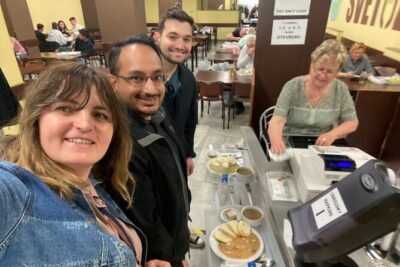
Communism & Nuclear Bunker Tour + 70s Canteen Lunch (own expense)
Read our review →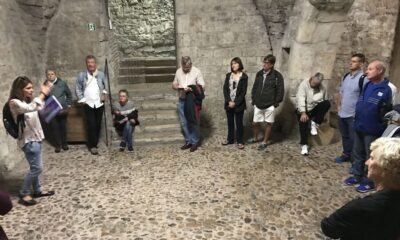
WWII Guided Tour & The Crypt of Operation Anthropoid
Read our review →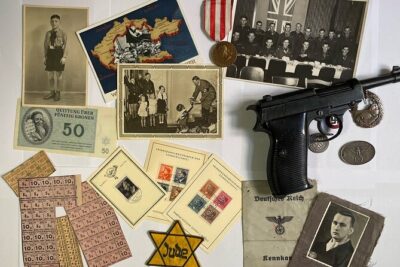
WWII in Prague Tour & The Crypt of Operation Anthropoid
Read our review →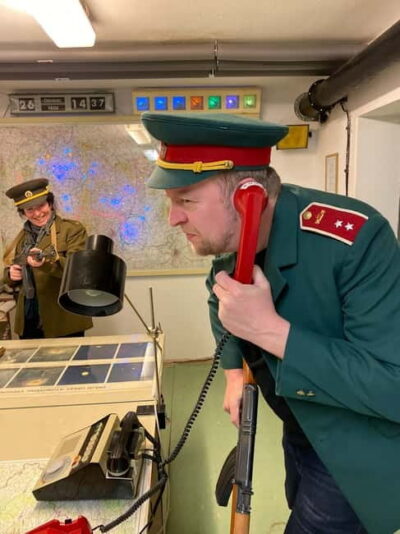
Communism and Bunker Tour with 70s Canteen Lunch
Read our review →
Small-Group World War 2 & Operation Anthropoid Tour in Prague
Read our review →
World War 2 and Operation Anthropoid Walking Tour
Read our review →Browse the lists this tour appears in