
Reviewed · TEREZÍN CONCENTRATION CAMP TOURS
Operation Anthropoid Tour or Terezín Concentration Camp Tour
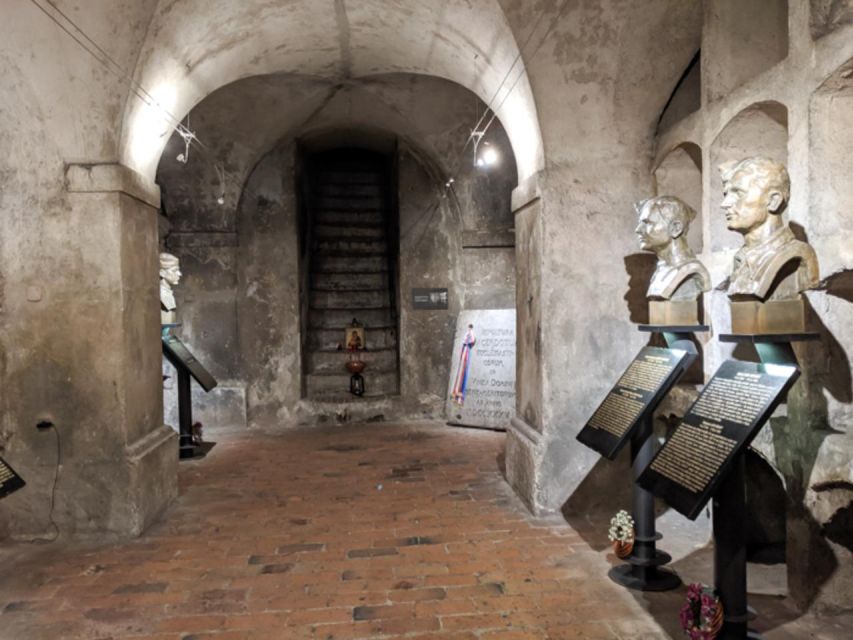
Operation Anthropoid comes alive in the cramped crypt beneath Prague’s Church of St. Cyril and St. Methodius. This is where Czechoslovak resistance fighters made their last stand after assassinating Reinhard Heydrich, one of the Nazi regime’s senior figures. The tour then may continue to Terezín, where a fortress became a Jewish ghetto and Gestapo prison.
I like the small, powerful church setting, where the story is tied to the actual rooms used by the resistance. I also like the chance to pair Prague’s Anthropoid sites with Terezín’s museums, cemetery, and prison buildings in one day. The main caution is that the tour options range from one to eight hours, so check exactly which version you are booking. One poor experience came from missing advertised stops and receiving little beyond the museum text.
Key points to know before booking
- The church crypt is the emotional center: You enter the underground space connected with the final hours of the resistance fighters.
- Operation Anthropoid is explained on site: The church visit gives the assassination plot, the resistance network, and the Nazi response a clear setting.
- Terezín has two very different sections: The Big Fortress held a Jewish ghetto, while the Small Fortress served as a Gestapo police prison.
- The full-day option links Prague and Terezín: It includes private transfers, an expert English-speaking guide, museums, barracks, the crematorium, and the cemetery.
- Guide quality matters here: Michael, Mike, Dominic, and Radim are named guides praised for clear explanations, patience, and enthusiasm.
- The tour is serious rather than entertaining: You are visiting places of execution, imprisonment, starvation, and mass suffering, so allow time to process what you see.
Why Operation Anthropoid begins in a Prague church
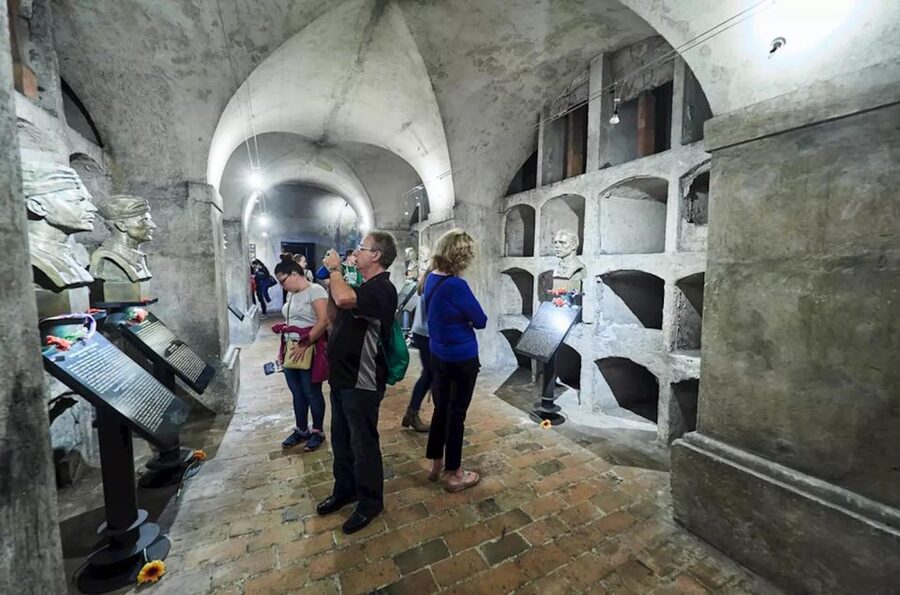
The Church of St. Cyril and St. Methodius is not simply a convenient meeting point for a history tour. Its connection to Operation Anthropoid gives the visit a rare physical force. The church and crypt were used by Czechoslovak resistance fighters after the 1942 assassination of Reinhard Heydrich.
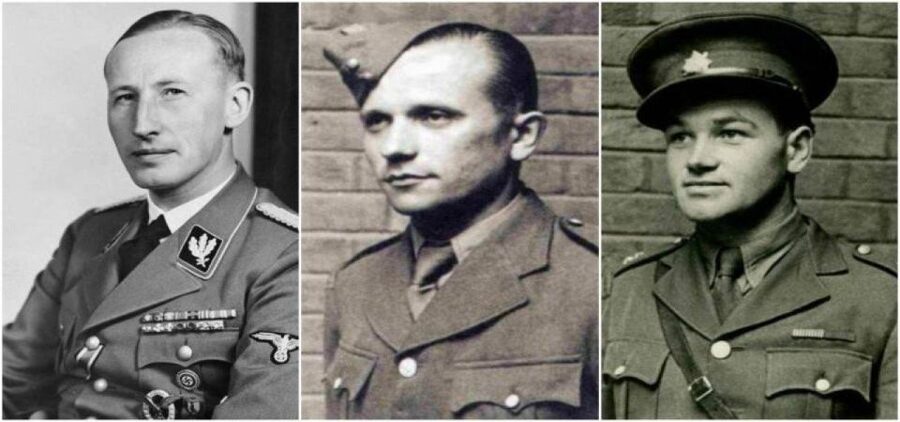
Heydrich was a leading Nazi official and the acting Protector of Bohemia and Moravia. The mission to kill him was carried out by Czechoslovak soldiers trained in Britain, including Jozef Gabčík and Jan Kubiš. The operation succeeded, but the German response was brutal, and the men were eventually found in the church.
Your guide takes you through the church and down to the crypt, tracing the decisions and movements behind the event. The underground space is the important part. It is not grand, and that is exactly why it works. The tight rooms make the danger feel immediate without needing theatrical effects.
I would not treat this as a quick photo stop. The setting asks you to pay attention to names, dates, and cause and effect. A good guide helps connect the assassination to the wider resistance effort and the punishment inflicted on Czech civilians.
Other memorial visits from Prague:
- From Prague: Terezin Concentration Camp Guided Tour w/ Audio
★ 4.5 · 1,959 reviews - Terezin Concentration Camp Day Tour from Prague
★ 4.0 · 1,007 reviews - From Prague: Terezín and Ghetto Museum Guided Tour
★ 4.3 · 571 reviews
Inside the crypt beneath St. Cyril and St. Methodius
The crypt is the most focused part of the Prague visit. It provides the physical setting for the resistance fighters’ final hours, and your guide explains how they used the church as a refuge after the attack.
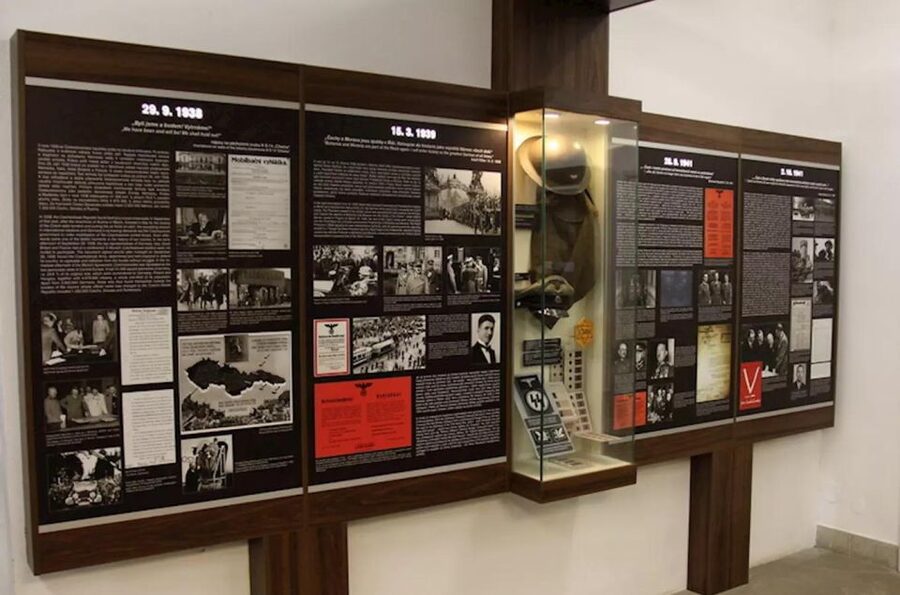
The experience is built around interpretation rather than a long list of displays. The museum adds cultural and historical context, while the church and crypt provide the place itself. That combination is useful because a museum can explain an event, but the original setting gives it scale and tension.
Michael, Mike, and Radim are among the guides connected with this experience. Michael is especially good for visitors who want to ask questions, and one small group found the February visit felt almost like a private tour. Mike has also been praised for making the operation easier to understand, while Radim brings clear enthusiasm to the subject.
That personal guidance matters. Operation Anthropoid has several names, dates, and military details that can become confusing. If your guide explains the operation in a logical order, you can follow why the assassination was planned, how it unfolded, and why the church became the final refuge.
The church is a working religious site, not a theme park attraction. Keep your tone respectful and expect the visit to feel solemn. It is better suited to adults and older children who can engage with wartime persecution and death.
Terezín’s Big Fortress and the Jewish ghetto
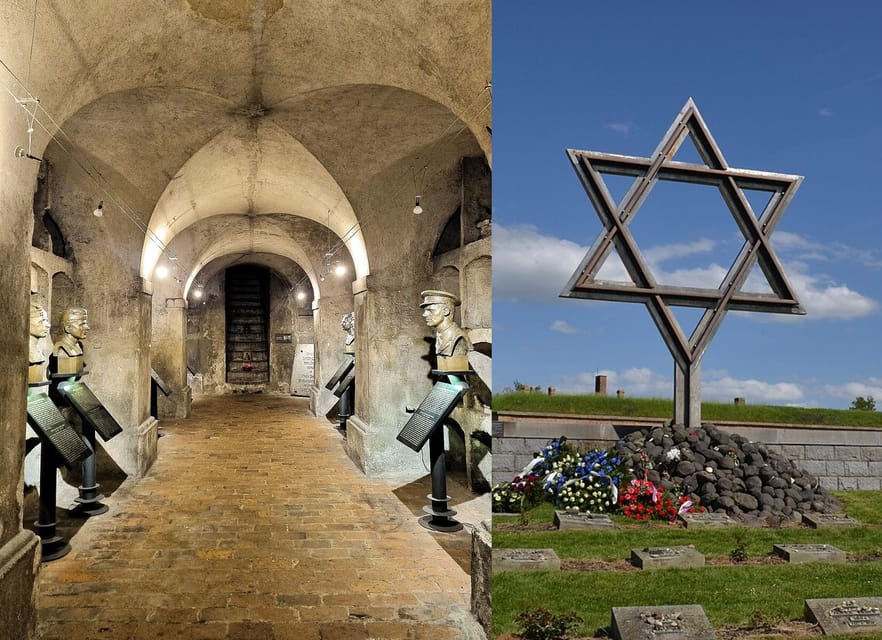
The Terezín portion changes the scale of the day. In Prague, you focus on a resistance operation and a small group of people. At Terezín, you confront a system built to imprison and control thousands of Jews during the Holocaust.
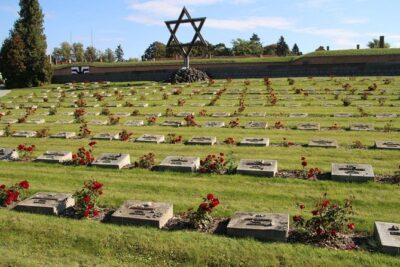
Terezín began as an 18th-century military fortress. During World War II, the area was turned into two distinct Nazi facilities. The Big Fortress became a ghetto-concentration camp for Jews. The Small Fortress became a Gestapo police prison.
That distinction is important. Terezín was not one single camp with one single purpose. The Big Fortress held the ghetto population and its institutions, while the Small Fortress functioned as a prison for people detained by the Gestapo. A guided visit helps you keep those roles separate.
The Ghetto Museum gives the broad picture. The Magdeburg Barracks adds another layer by showing the administration and daily conditions of the ghetto. The story is not only about Nazi control. You also hear about the efforts of prisoners to preserve culture, support one another, and help people who had been marked for destruction.
I value this part because it moves beyond a military story. Operation Anthropoid is dramatic and specific. Terezín asks you to consider the daily reality of confinement, hunger, fear, disease, separation, and loss. The accounts of survivors give the visit a human scale, especially when the buildings themselves begin to blur together.
The Small Fortress, prison rooms, and Gestapo control
The Small Fortress is the starkest section of Terezín. It was used as a Gestapo police prison, and the guided tour explains how detainees were held and treated there.
You can expect the atmosphere to be severe rather than polished. The value is in seeing the prison site and hearing the stories attached to it. The guide’s job is not just to point out rooms, but to explain why people were sent there and how the prison fit into the Nazi system.
This is also where a strong guide earns the fee. The printed material and museum displays provide basic facts, but a good guide can identify the links between the buildings, the prison system, and the people held inside. Ask questions if you want more detail. The English-language tour is suitable for visitors who want the story explained in real time rather than read every panel alone.
Be ready for uneven surfaces and steps. One participant who needed a wheelchair was helped by Michael and Dominic, including assistance over difficult ground and steps. That is encouraging, but it should not be taken as a guarantee that every part of the site is fully accessible. If mobility is a concern, contact the provider before booking and explain what help you need.
Same streets, a different kind of outing:
- Prague: 50-Minute Sightseeing Evening Cruise
★ 4.2 · 33,780 reviews - Prague: Medieval Dinner with Unlimited Drinks
★ 4.4 · 19,847 reviews - Prague: Skip-the-line Castle Ticket and Optional AudioGuide
★ 4.3 · 11,121 reviews - Prague: Castle Tour with Local Guide and Entry Ticket
★ 4.6 · 10,422 reviews
Museums, Magdeburg Barracks, crematorium, and cemetery
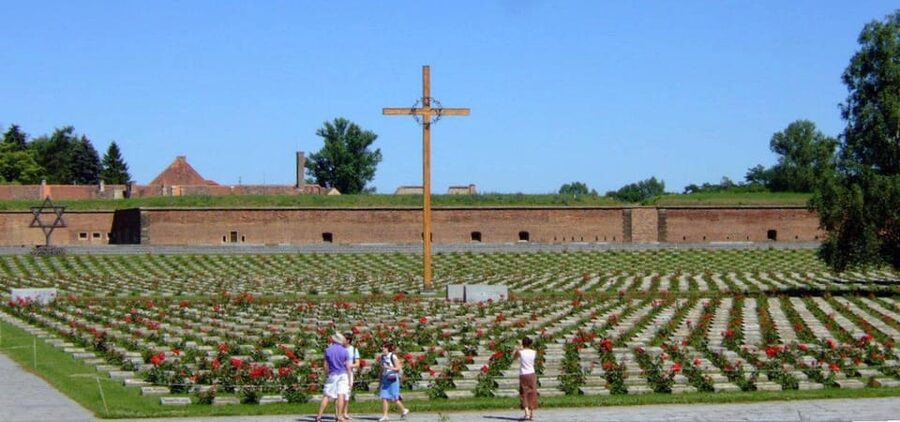
The Terezín Museum and Magdeburg Barracks give the visit its cultural and social context. The buildings help you understand that prisoners were not only numbers in a camp system. They were parents, artists, teachers, students, religious figures, and neighbors who tried to keep some form of community alive.
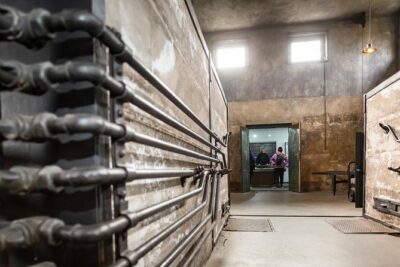
The crematorium is one of the most difficult stops. It should be approached with patience and respect. You do not need dramatic commentary to understand its purpose, but a guide can explain how it fits into the wider machinery of death at Terezín.
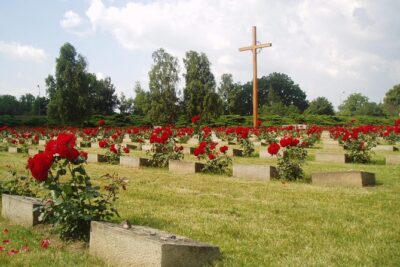
The cemetery provides a quiet final stop. It shifts the focus from rooms and institutions to the people who died. I find cemeteries especially useful on tours like this because they slow the pace and make you confront the human cost rather than only the architecture.
The survivor stories are central to the visit. They help prevent Terezín from becoming a collection of empty military buildings. Listen for details about ordinary life, acts of courage, and attempts to save others. The experience is painful, but it also includes resistance, self-sacrifice, and efforts to protect human dignity.
How the one-day combination works
The full option combines the Prague church and crypt with a guided Terezín visit. Terezín is outside Prague, so private transfers are included for the concentration camp tour, with pickup and drop-off at your Prague accommodation stated as part of that option.
The meeting point provided for the experience is in front of the Dancing House. Since the Terezín option also includes accommodation pickup and drop-off, confirm the exact meeting arrangement when you reserve. This matters because the shorter Operation Anthropoid visit and the longer Terezín combination do not have the same practical shape.
The duration can range from one to eight hours, depending on what you choose. That is a wide spread. A short booking may focus on the church and crypt, while the ultimate one-day option allows time for both Prague and Terezín. Check the selected duration and inclusions carefully rather than assuming the $23 starting price covers every stop.
At $23 per person, the price looks attractive, but value depends on the package. For the church alone, you are mainly paying for admission and a guide’s explanation. For the Terezín option, the price also relates to transport, several admissions, and the convenience of combining sites that would otherwise require separate planning.
The private group option can make the cost higher, but it may suit families or small groups who want to ask many questions. The guide quality is the deciding factor. Several guides, including Michael, Mike, Dominic, and Radim, have received strong praise for clear explanations and a friendly manner. One poor experience reported a guide who added little and failed to visit advertised places, so confirm the planned stops before setting out.
Who will get the most from this tour
I would choose this experience if you have a serious interest in World War II, Czech resistance, Holocaust history, or the human stories behind major events. It is also a strong choice if you want an English-speaking guide to connect several sites rather than visit them as isolated museums.
The shorter Operation Anthropoid visit suits you if your time in Prague is limited. It gives you a focused historical experience without committing a full day outside the city.
The Terezín combination suits you if you want a fuller day and prefer private transport. It is especially useful for first-time visitors who do not want to arrange the fortress, museums, cemetery, and crematorium on their own.
I would think twice before booking it for very young children. The subjects include murder, imprisonment, Nazi persecution, and the Holocaust. Older teenagers may find the visit meaningful, but the decision depends on their maturity.
This is also not the best choice if you want a light sightseeing outing. There is no scenic payoff or playful entertainment to balance the subject. The reward is understanding, remembrance, and a clearer sense of what happened in these places.
Practical tips for a more meaningful visit
Read a short account of Operation Anthropoid before arriving. You do not need to memorize names, but knowing that the mission involved Czechoslovak resistance fighters and Reinhard Heydrich will make the church visit easier to follow.
Bring questions. Guides such as Michael and Mike have been praised for allowing plenty of discussion, and questions can turn a standard visit into a more useful lesson. Ask about the resistance network, the church’s role, the distinction between the two Terezín fortresses, and survivor experiences.
Wear sensible shoes. Terezín includes historic prison and fortress areas, and uneven ground or steps may be part of the route. If you use a wheelchair or have limited mobility, discuss the route and assistance before booking.
Allow emotional space afterward. The combination of the crypt, prison, crematorium, cemetery, and survivor accounts can be heavy. Avoid packing another demanding museum immediately after the full-day version.
Finally, check the exact itinerary. The stated options vary by duration, and the Terezín visit includes several separate places. Make sure your selected booking names the church, crypt, Terezín museums, barracks, crematorium, and cemetery if those are the stops you want.
Should you book the Operation Anthropoid and Terezín tour?
Book it if you want serious history explained at the places where it happened. The church crypt gives Operation Anthropoid a strong physical setting, while Terezín adds the wider story of Nazi imprisonment and the Holocaust.
Choose the shorter version for a focused Prague visit. Choose the full-day option if transport, several admissions, and an English-speaking guide are worth more to you than a flexible self-guided day.
I would book with one condition: confirm the precise route and selected duration. The best experiences here come from a guide who adds context, answers questions, and takes you to the promised sites. With a strong guide, this is a moving and worthwhile use of time in Prague.
FAQ
Where does the Operation Anthropoid Tour meet?
The stated meeting point is in front of the Dancing House.
What language is the tour conducted in?
The live tour guide language is English.
How long does the experience last?
Available durations range from one to eight hours, depending on the option you choose. Check availability for the starting times and exact duration.
Does the tour include the church and crypt?
Yes. The Operation Anthropoid option includes entrance to the Church of St. Cyril and St. Methodius and its crypt.
What does the Terezín Concentration Camp Tour include?
It includes entrance to Terezín Fortress, the Ghetto Museum, Magdeburg Barracks, and the crematorium. Private transfers with pickup and drop-off at your Prague accommodation and an expert guide are also included.
Can I book a private group?
Yes. A private group option is available.
Can I cancel or pay later?
You can cancel up to 24 hours in advance for a full refund. Reserve now and pay later is also available, so you do not have to pay at the time of booking.
Just added in Prague
- World War II 4WD Tour from Prague with Lunch★ 4.4 · 3 reviews
- WWII and Communism History in Prague’s Old Town Private Tour★ 5.0 · 4 reviews
- Prague: Historical Walking Tour with Focus on World War 2★ 4.3 · 12 reviews
- Unique salt cave in Prague★ 4.9 · 10 reviews
- Walking tour of Prague in french: Old Town & Charles Bridge★ 4.9 · 62 reviews
- Prague: Market Tour and Traditional Czech Cooking Class★ 4.7 · 19 reviews
- Ultimate Unlimited Beer Pong with Czech Beer★ 4.6 · 5 reviews
- Walking tour of Prague in French : Nové Město★ 4.9 · 16 reviews
Terezín Concentration Camp Tours, compared.

Terezin Concentration Camp Guided Tour w/ Audio
Read our review →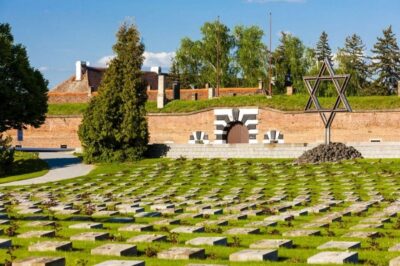
Terezin Concentration Camp Day Tour from Prague
Read our review →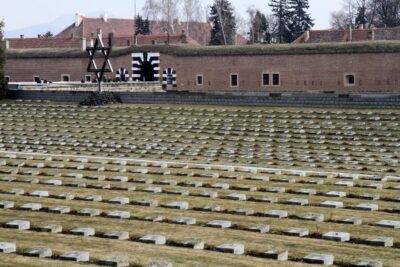
Terezin & Bohemian Switzerland from Prague: Bastei, Narnia & Café
Read our review →
Terezin In-Depth Holocaust Tour From Prague’s Center (max 7 pax)
Read our review →
Browse the lists this tour appears in