
Reviewed · CLASSICAL CONCERTS & SHOWS
Prague: Classical Music Concert at Rudolfinum
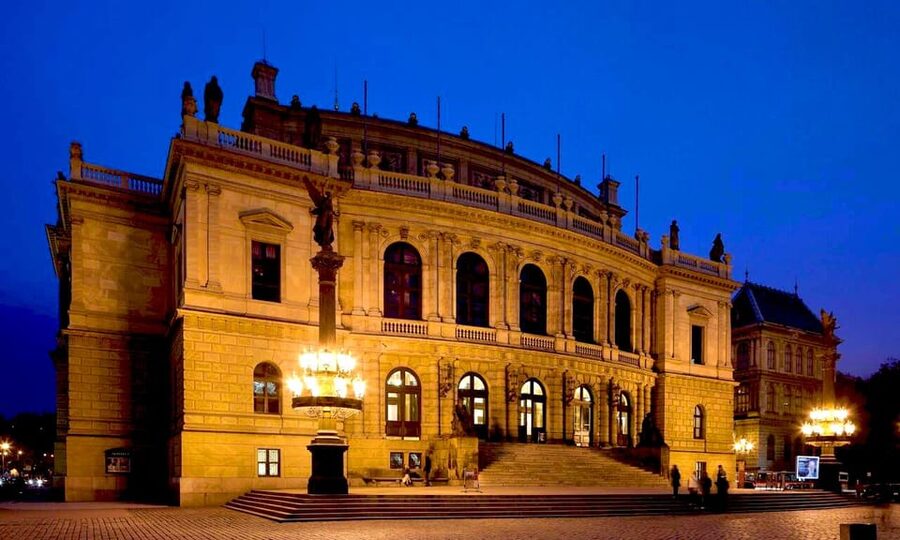
Rudolfinum gives this concert a setting that is almost as memorable as the music. In the intimate Suk Hall, you’ll hear familiar works by Vivaldi, Mozart, Beethoven, and Smetana, performed by leading Czech musicians rather than presented as background music for a grand tourist show.
I like the short 65-minute format, which fits neatly into an evening of sightseeing. I also like the chance to hear acclaimed mezzo-soprano Stanislava Jirků and violinist Vlastimil Kobrle, concertmaster of the Czech Radio Symphony Orchestra. The main consideration is the program itself: it favors famous, accessible pieces, so serious concertgoers seeking a full-length, single-composer recital may find it too brief.
Key points to know before booking
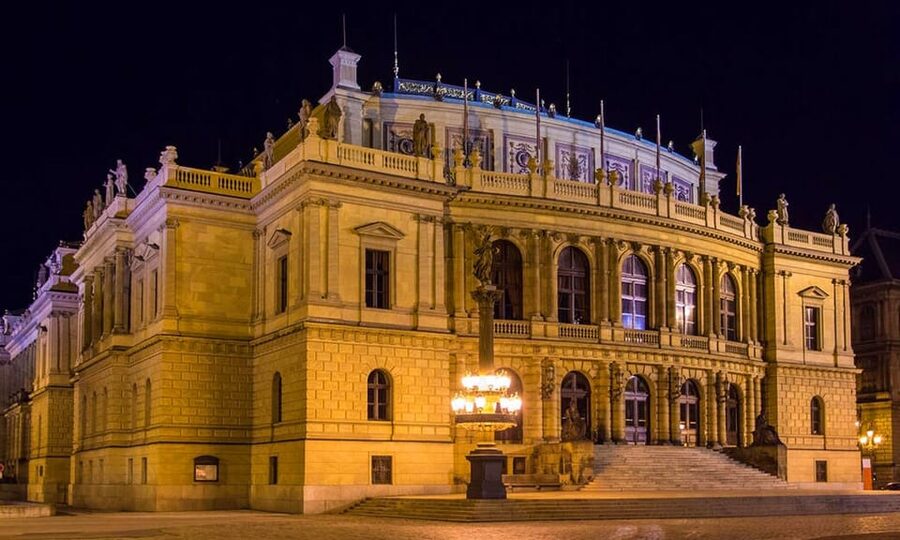
- Suk Hall at Rudolfinum: You’ll attend in an intimate concert room inside one of Prague’s best-known cultural buildings.
- A greatest-hits program: The 65-minute concert includes Vivaldi’s Four Seasons, Mozart, Beethoven’s Fifth, Ravel’s Bolero, and Smetana’s Vltava.
- Prominent Czech performers: Soloists include mezzo-soprano Stanislava Jirků and violinists Vlastimil Kobrle or Petr Zdvihal, depending on the date.
- A useful central-city evening plan: The concert begins and ends at Rudolfinum, making it easy to pair with other time in central Prague.
- Good value for a short cultural stop: At $39 per person, the ticket includes entry and a printed program.
- Simple access: Use the entrance on the left side of the building. The venue is wheelchair accessible.
Why Rudolfinum makes the concert special
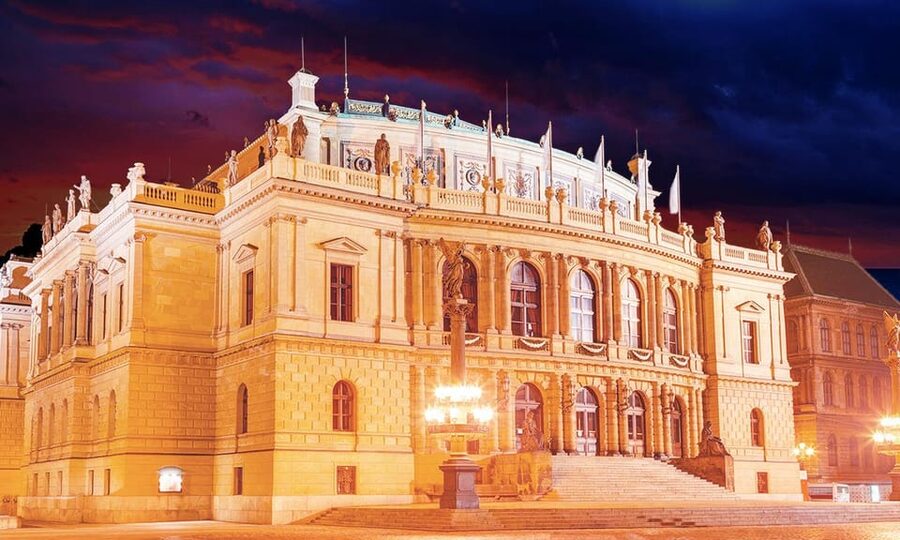
Rudolfinum is not just a place where the music happens. It is one of Prague’s most recognizable cultural buildings, located in the center of the city and linked with Czech musical life for more than a century.
This concert takes place in Suk Hall, named for Czech composer Josef Suk. The hall’s intimate scale matters. You are not buying a ticket to sit far away in a huge arena. The room is intended to bring the performers and audience into closer contact, though the exact seating experience depends on your assigned place and the concert setup.
I like the way the venue gives a familiar program some local character. You may already know the opening of Beethoven’s Fifth or the first notes of Vivaldi’s Spring. Hearing those works in a Prague concert hall, performed by Czech musicians, gives the evening more weight than simply adding classical music to a dinner reservation.
The building is in central Prague, so you can treat this as a compact cultural stop rather than a full-night commitment. The concert lasts 65 minutes, and the activity returns you to the same building entrance at the end. That makes it practical for an evening when you still want time for dinner or a walk through the city.
Other evenings out in Prague:
- Prague: Entry Ticket Classical Concert at the Mirror Chapel
★ 4.7 · 4,636 reviews - Prague: WOW Show Black Light Theater
★ 4.0 · 3,990 reviews - Prague: Concert at Reduta Jazz Club
★ 4.5 · 2,170 reviews
What the 65-minute program includes
The program moves through several famous pieces and styles. It is designed for broad appeal, with recognizable melodies and dramatic changes in mood rather than a long, demanding work that asks you to know a composer in advance.
Vivaldi’s Four Seasons, Spring and Summer
The concert opens with Spring and Summer from The Four Seasons, Antonio Vivaldi’s best-known set of violin concertos. These pieces are lively and direct, with the solo violin taking the lead against the ensemble.
The selection includes only Spring and Summer, not the entire Four Seasons cycle. That keeps the program moving, but you should not expect the full four-part work. The violin solo is an important part of the evening, and the listed performers include Vlastimil Kobrle, a highly regarded Czech violinist and concertmaster of the Symphony Orchestra of Czech Radio.
For September 19 and 20, 2024, the violin soloist was scheduled to be Petr Zdvihal, with Stanislava Jirků singing. On September 22, Zdvihal was paired with mezzo-soprano Veronika Hajnová. The October schedule listed Petr Zdvihal as violin soloist. Check the date carefully if a particular performer matters to you.
Handel’s Largo from Xerxes
George Frideric Handel’s Largo offers a calmer pause after Vivaldi’s energetic violin writing. The piece is known for its broad, singing line and measured pace.
It is a short selection, but it helps vary the concert’s texture. Instead of hearing one famous orchestral hit after another at the same volume, you get a quieter, more reflective moment.
Same streets, a different kind of outing:
- Prague: 50-Minute Sightseeing Evening Cruise
★ 4.2 · 33,780 reviews - Prague: Medieval Dinner with Unlimited Drinks
★ 4.4 · 19,847 reviews - Prague: Skip-the-line Castle Ticket and Optional AudioGuide
★ 4.3 · 11,121 reviews - Prague: Castle Tour with Local Guide and Entry Ticket
★ 4.6 · 10,422 reviews
Pachelbel’s Canon and Gigue in D
Johann Pachelbel’s Canon is one of the most familiar pieces in the program. Its repeating structure makes it easy to recognize, even if you have never attended a classical concert.
The Canon is paired with the Gigue in D, adding a quicker and more rhythmic finish to the selection. This is another approachable choice for first-time concertgoers. You do not need to know anything about Baroque music to follow what is happening.
Mozart’s Salzburg Symphony K 136, Allegro
The Mozart selection is the Allegro from Salzburg Symphony K 136. It brings a lighter, cleaner Classical-era sound after the more formal Baroque works.
I would think of this as a bright reset in the middle of the program. Mozart’s music here is concise and energetic, which suits a short concert format. If you prefer long, slow movements, this portion may pass quickly. If you want variety, it keeps the program fresh.
Bizet’s Carmen, Habanera
The Habanera from Georges Bizet’s Carmen introduces the voice. Mezzo-soprano Stanislava Jirků is a soloist from the Czech National Theatre and has performed with major ensembles, including the BBC Symphony Orchestra, the Czech Philharmonic, and the Prague Philharmonic Orchestra.
The piece is a smart choice for a mixed program because it is instantly recognizable and theatrical without requiring a complete opera. You hear a celebrated operatic melody in a compact form, then move on before the concert becomes too narrowly focused on one style.
Ravel’s Bolero
Maurice Ravel’s Bolero is built around repetition and gradual growth. The same basic rhythm and melody return again and again, with the arrangement gaining force as different instruments take up the material.
That steady build can be especially effective in a live hall. Still, repetition is the point of the piece, so anyone who prefers constant musical change may find it less engaging than the Vivaldi or Mozart selections.
Beethoven’s Fifth Symphony, Allegro
The Allegro from Beethoven’s Fifth gives the program its most famous dramatic opening. The familiar four-note figure is one of classical music’s best-known entrances, and the movement develops it with urgency and drive.
You will not hear the entire symphony. Instead, this is a single movement, which keeps the total concert to 65 minutes. That makes sense for a compact program, but it also means you should book this as a highlights concert, not a complete Beethoven performance.
Smetana’s Vltava
The program closes with Bedřich Smetana’s Vltava, also known by its German title, Die Moldau. The work follows the course of the Vltava River through musical images, and it has a special connection to Prague and Czech national music.
This is one of the most meaningful choices on the program for a visitor. You are not only hearing another famous orchestral work. You are hearing a piece tied to the country you are visiting, which gives the concert a stronger local finish than a program made entirely of Italian, German, and French classics.
The soloists you may hear
The featured performers are a major reason to pay attention to the date of your concert.
Stanislava Jirků is a mezzo-soprano from the Czech National Theatre. Her career includes appearances with the BBC Symphony Orchestra, the Czech Philharmonic, and the Prague Philharmonic Orchestra. Her role adds an operatic voice to a program otherwise centered on instrumental music.
The violin soloist may be Vlastimil Kobrle or Petr Zdvihal, depending on the schedule. Kobrle is described as concertmaster of the Symphony Orchestra of Czech Radio, a senior position that places him at the front of the violin section and gives him a central role in orchestral performance.
For the September 2024 dates, the schedule specified Petr Zdvihal on September 19 and 20, paired with Jirků. On September 22, Zdvihal performed with Veronika Hajnová. The October schedule listed Zdvihal as violin soloist, without the same mezzo-soprano pairing noted.
Because soloists can change, I would not choose a date based only on one name unless the booking information confirms that performer. The broader experience remains the Rudolfinum setting and the mixed program.
Is $39 a fair price?
At $39 per person, this is not the cheapest classical music option in Prague, but it offers a reasonable package for a visitor who wants a polished concert without committing an entire evening.
The ticket includes entry and a printed concert program. The venue is central, the concert lasts just over an hour, and the selection includes several works you are likely to recognize. That combination makes the price easier to justify than a longer event with a less accessible program.
The value depends on what you want. If you are mainly looking for a convenient cultural activity between dinner and an evening walk, $39 is a sensible spend. You get a proper concert hall, professional Czech musicians, and a program that covers Baroque, Classical, Romantic, opera, and Czech orchestral music.
If you regularly attend classical concerts, you may prefer a full symphony performance with a larger program. This experience is better suited to someone who wants a concentrated introduction or a memorable hour in a respected Prague venue.
The 4.7 rating from 24 reviews supports the idea that the central strengths are the popular works and strong performances. That praise fits the design of the concert: it does not ask you to study unfamiliar repertoire before arriving.
How to plan your arrival at Rudolfinum
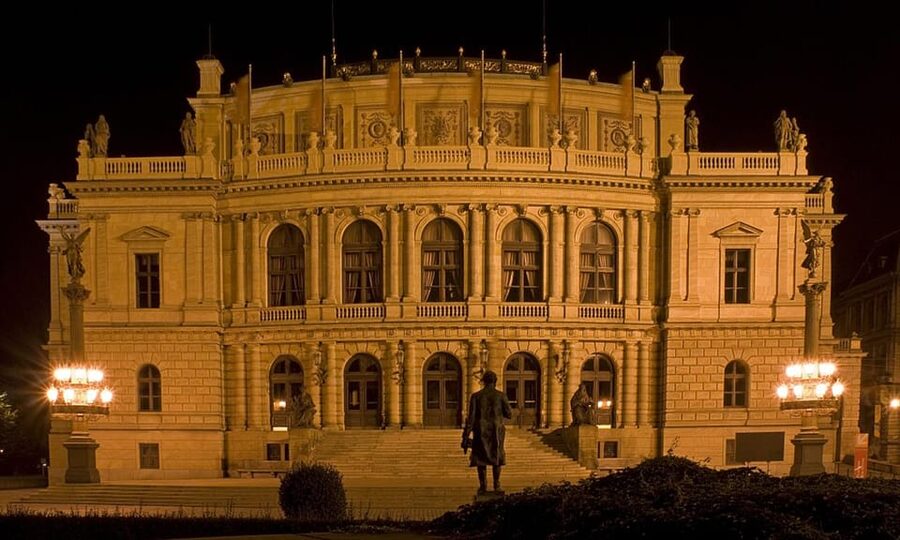
The meeting point is simple, but you should pay attention to the entrance instruction. Use the entrance on the left side of the building to attend the concert.
Starting times vary, so check the available date and time before booking. The concert itself lasts 65 minutes, but you should allow extra time to reach Rudolfinum and find the correct entrance. The activity ends back at the meeting point, so there is no separate return transfer or final stop to arrange.
The printed program is useful even if you know the music. It can help you follow the order of the selections and identify the soloists for that date. Since the concert shifts quickly from one famous piece to another, having the sequence in hand makes the evening easier to follow.
The activity is wheelchair accessible. Unaccompanied minors are not allowed, so adults should plan to attend with younger members of the family.
Who will enjoy this concert most?
I would recommend this concert to you if you want classical music in a historic Prague setting but do not want to spend two or three hours at an opera or full symphony performance.
It is a good fit for:
- First-time classical concertgoers who want familiar melodies
- Couples looking for a cultured evening activity
- Visitors who enjoy opera but prefer a shorter program
- Music fans interested in hearing Czech performers
- Anyone who wants a central Prague experience with simple logistics
- Families with adults accompanying any minors
The concert may be less satisfying if you want an entire symphony, a complete opera, or a program built around obscure composers. The selections are deliberately familiar. That is an advantage for many people, but it limits the sense of discovery for seasoned concert audiences.
The 65-minute length is also worth considering. I see it as a strength if you are fitting music into a busy sightseeing day. You can enjoy the concert without giving up the whole evening. On the other hand, a serious music fan may wish the program allowed more time for each work.
Practical booking advice
Check the date before you pay, especially if you hope to hear a particular soloist. The September 2024 schedule included different mezzo-soprano pairings, and the October information listed Petr Zdvihal as violin soloist.
You can reserve now and pay later, which helps if your Prague schedule is still shifting. Free cancellation is available up to 24 hours in advance for a full refund. Those terms make the concert easier to fit into a trip with changing plans.
I would also check the starting time against your dinner reservation. Since the concert is short and ends where it begins, it pairs well with a meal before or after. I would not plan a distant excursion immediately beforehand, though, because a central venue is only useful if you give yourself enough time to reach the left-side entrance.
Should you book the Rudolfinum concert?
Book it if you want famous classical works, leading Czech musicians, and a short concert in an important Prague venue. The mix of Vivaldi, Mozart, Beethoven, Bizet, Ravel, and Smetana gives you plenty of recognizable music in 65 minutes, while the inclusion of Vltava adds a clear Czech connection.
I would skip it only if you are seeking a full-length symphony, a complete opera, or a more adventurous program. For most visitors, the $39 price is fair for the setting, performers, printed program, and compact format. Check the soloist schedule, use the left-side entrance, and treat the event as a focused cultural evening rather than a full concert season performance.
FAQ
Where does the concert take place?
The concert takes place in Suk Hall inside Rudolfinum in central Prague.
How long is the concert?
The performance lasts 65 minutes.
What music is included?
The program includes Vivaldi’s Four Seasons, Spring and Summer, Handel’s Largo from Xerxes, Pachelbel’s Canon and Gigue in D, Mozart’s Salzburg Symphony K 136, Bizet’s Habanera from Carmen, Ravel’s Bolero, Beethoven’s Fifth Symphony, Allegro, and Smetana’s Vltava.
Who are the featured performers?
Featured performers include mezzo-soprano Stanislava Jirků and violinist Vlastimil Kobrle. Some dates list Petr Zdvihal as violin soloist, and the September 22, 2024 date lists Veronika Hajnová as mezzo-soprano.
How much does admission cost?
The listed price is $39 per person.
Where should I enter the building?
Use the entrance on the left side of Rudolfinum.
Is the concert wheelchair accessible?
Yes, the activity is wheelchair accessible. Unaccompanied minors are not allowed.
Just added in Prague
- World War II 4WD Tour from Prague with Lunch★ 4.4 · 3 reviews
- WWII and Communism History in Prague’s Old Town Private Tour★ 5.0 · 4 reviews
- Prague: Historical Walking Tour with Focus on World War 2★ 4.3 · 12 reviews
- Unique salt cave in Prague★ 4.9 · 10 reviews
- Walking tour of Prague in french: Old Town & Charles Bridge★ 4.9 · 62 reviews
- Prague: Market Tour and Traditional Czech Cooking Class★ 4.7 · 19 reviews
- Ultimate Unlimited Beer Pong with Czech Beer★ 4.6 · 5 reviews
- Walking tour of Prague in French : Nové Město★ 4.9 · 16 reviews
Classical Concerts & Shows, compared.
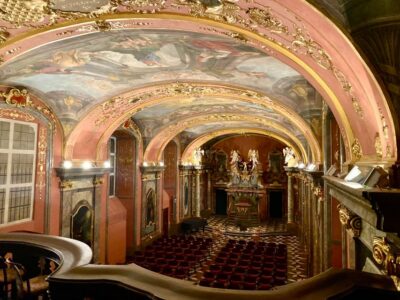
Entry Ticket Classical Concert at the Mirror Chapel
Read our review →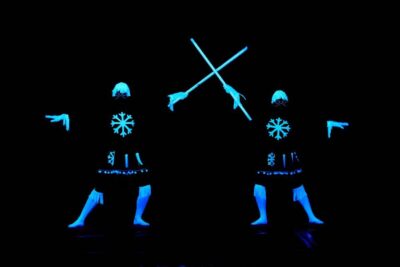
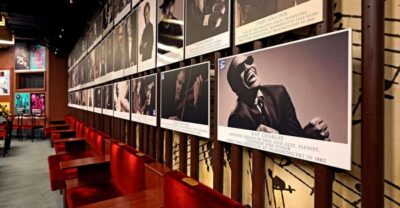
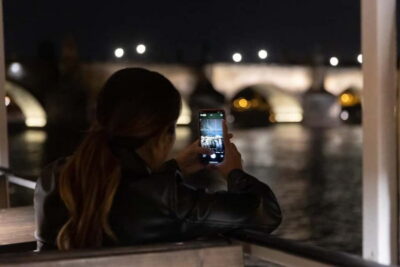
Jazz Boat Cruise with Live Concert and Optional Meal
Read our review →
1.5-Hour Black Light Theater Srnec Performance
Read our review →
Mozart Ballroom Concert Ticket with 3-Course Dinner
Read our review →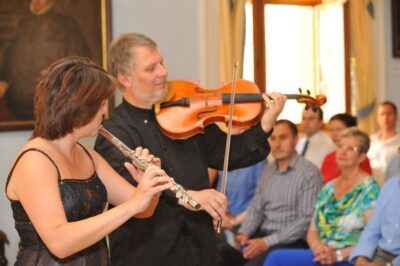
Prague Castle: Midday Classical Concert at Lobkowicz Palace
Read our review →
Browse the lists this tour appears in