
Reviewed · COMMUNISM & WWII HISTORY TOURS
Prague: Communists and World War II Tour
Prague’s modern history comes alive on ordinary streets during this two-hour walk. You’ll trace the road from World War I and the creation of Czechoslovakia to Nazi occupation, Communist rule, and the Velvet Revolution, with stops at places tied to major political turning points.
I like the tour’s clear historical thread and its focus on real streets rather than a classroom lecture. I also like that guides such as Barbara, Martin, Otakar, Inna, and Dana have been praised for answering questions and explaining what these events meant for daily life. The main drawback is that this is a talk-heavy walk, with limited sightseeing beyond the historic locations themselves.
Key points to know before booking
- World War I connects to World War II: The tour explains how the political upheaval after World War I helped shape the next conflict.
- The route crosses central Prague: You’ll walk from Křižovnické Square by Charles Bridge through Národní, New Town, Wenceslas Square, and Republic Square.
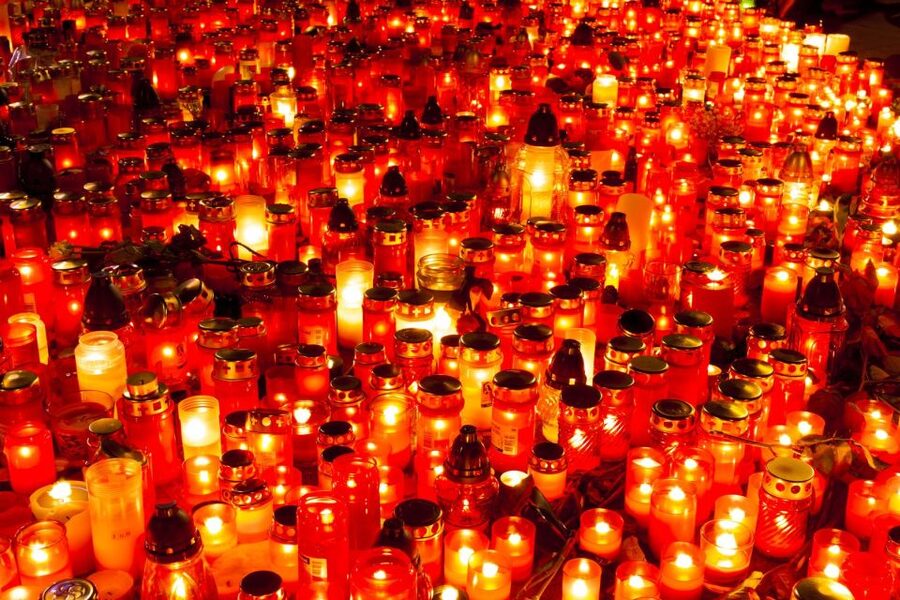
- Communist-era Prague gets personal: Expect discussion of black-listed books, political pressure, Jan Palach, and life behind the Iron Curtain.
- The former Stalin monument is a major stop: The tour includes the dramatic site of a 30-meter-tall Stalin statue.
- Guides drive the experience: Barbara, Martin, Otakar, Inna, Dana, and others have been praised for strong explanations and thoughtful answers.
- A museum option adds context: Selected bookings include entry to the Museum of Communism, while other bookings receive a 10 percent discount coupon.
Why this Prague history walk is worth your time
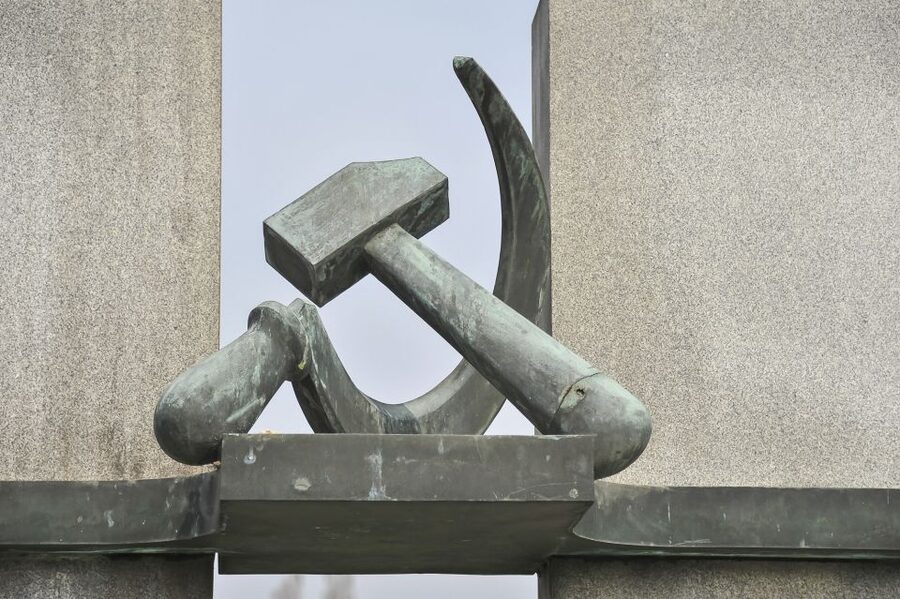
Many Prague tours focus on medieval buildings, Gothic churches, and the old royal city. This one takes a different route. Its subject is the Prague of the 20th century, a period shaped by war, occupation, dictatorship, Soviet influence, protest, and political change.
I find the strongest part of the experience is its cause-and-effect structure. You are not simply given a list of dates. The guide connects World War I with the creation of Czechoslovakia, then explains how the political order changed before and during World War II. From there, the story moves into post-war Communism, the Russian occupation, and the events that led to the Velvet Revolution.
That approach matters because Prague can look calm and polished today. Without context, a square is just a square. With the right explanation, Národní and Wenceslas Square become places where public pressure, fear, courage, and political change took shape.
The tour costs $29 per person. For two hours with a local guide, that is a fair price, especially if you want a compact introduction to Czech modern history. The value depends on your interests. If you prefer scenic viewpoints and architectural detail, a sightseeing tour will give you more visual variety. If you want to understand why the Czech Republic developed as it did, this walk gives you useful background at a modest cost.
More recent history in Prague:
- Prague: Communism History and Nuclear Bunker Guided Tour
★ 4.7 · 2,417 reviews - Prague Communism History and Nuclear Bunker Tour
★ 5.0 · 1,742 reviews - Communism & Nuclear Bunker Tour + 70s Canteen Lunch (own expense)
★ 5.0 · 1,036 reviews
Starting beside Charles Bridge at Křižovnické Square
The meeting point is in front of Charles Bridge at Křižovnické Square, beside the statue of Charles IV. The guide carries an orange umbrella, and Staroměstská is the closest tram or subway station.
This is a busy meeting area, so arrive with enough time to identify the correct guide. One practical issue is that several company guides may use orange umbrellas at the same place. Look for the guide connected with the Communists and World War II tour rather than approaching the first orange umbrella you see.
Starting near Charles Bridge gives the tour a useful point of contrast. Prague’s famous bridge and historic center often bring to mind kings and medieval architecture. This walk quickly shifts your attention toward the political events of the last century, showing that the city’s story did not end with the old town.
From World War I to the creation of Czechoslovakia
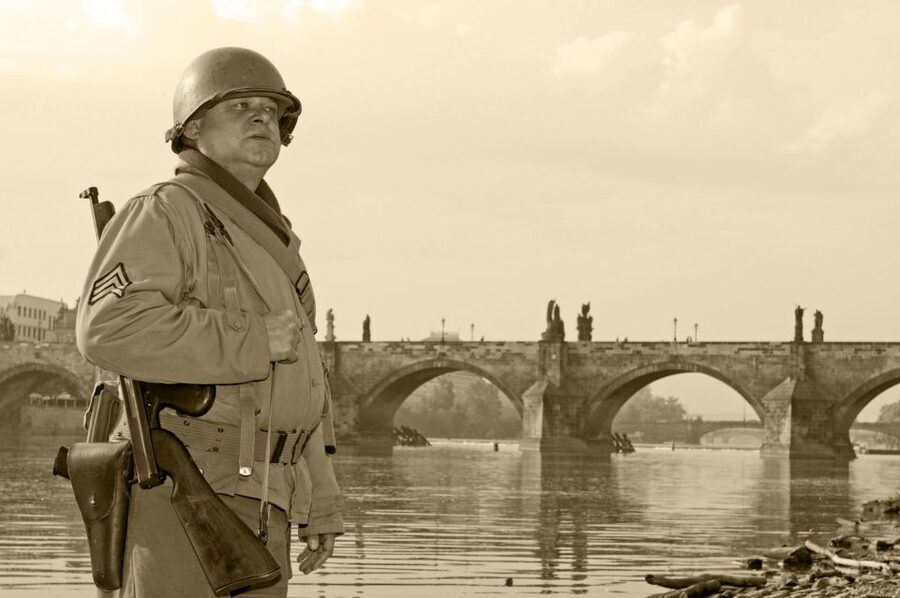
The opening section places Czech history in the period around World War I. You’ll hear how the collapse and reshaping of political power after the war contributed to the establishment of Czechoslovakia.
This background is important. The later struggles with Nazi Germany and Communist rule make more sense once you understand that Czechoslovakia itself was a product of major changes in Europe. The guide uses the streets of central Prague to explain these shifts, rather than treating the country’s formation as an isolated political event.
I appreciate this early context because it prevents the tour from jumping straight to the most familiar Cold War stories. You get a line running through the century, from the birth of the state to the pressures that threatened it.
The guide also discusses the events leading to World War II and the Nazi occupation. You’ll walk streets where the Nazi Gestapo once operated, which gives the subject a direct physical connection. The tour does not present the period as distant textbook material. It links military and political decisions to places you can see around you.
Národní and the streets shaped by occupation
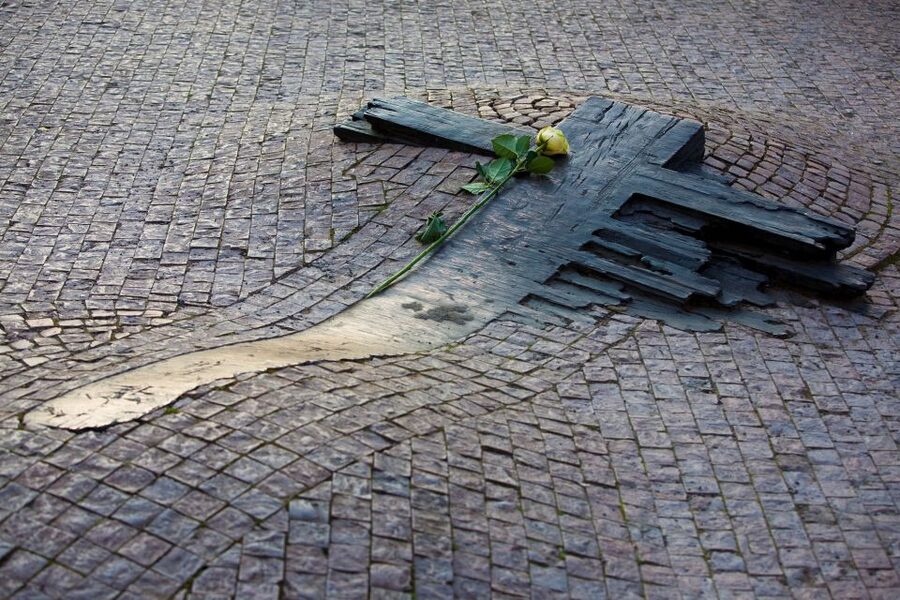
Národní is one of the key areas on the route. Here, the guide helps connect the political history of the country with the streets of central Prague.
The value of a stop like this is not that you will see a large war memorial at every corner. In fact, one past participant noted that there was not always much to point out physically. The guide’s explanation carries much of the experience. That is worth knowing before you book: the tour asks you to listen, picture events, and ask questions.
This is also where a good guide makes a big difference. Martin was praised for detailed explanations and for discussing life during Communist rule and the transition afterward. Other guides, including Barbara and Otakar, have been singled out for making the subject engaging and for answering questions clearly.
You should expect a walking seminar with a local perspective, not a parade of dramatic monuments. The city streets are the setting, while the guide supplies much of the detail.
Same streets, a different kind of outing:
- Prague: 50-Minute Sightseeing Evening Cruise
★ 4.2 · 33,780 reviews - Prague: Medieval Dinner with Unlimited Drinks
★ 4.4 · 19,847 reviews - Prague: Skip-the-line Castle Ticket and Optional AudioGuide
★ 4.3 · 11,121 reviews - Prague: Castle Tour with Local Guide and Entry Ticket
★ 4.6 · 10,422 reviews
New Town and Wenceslas Square
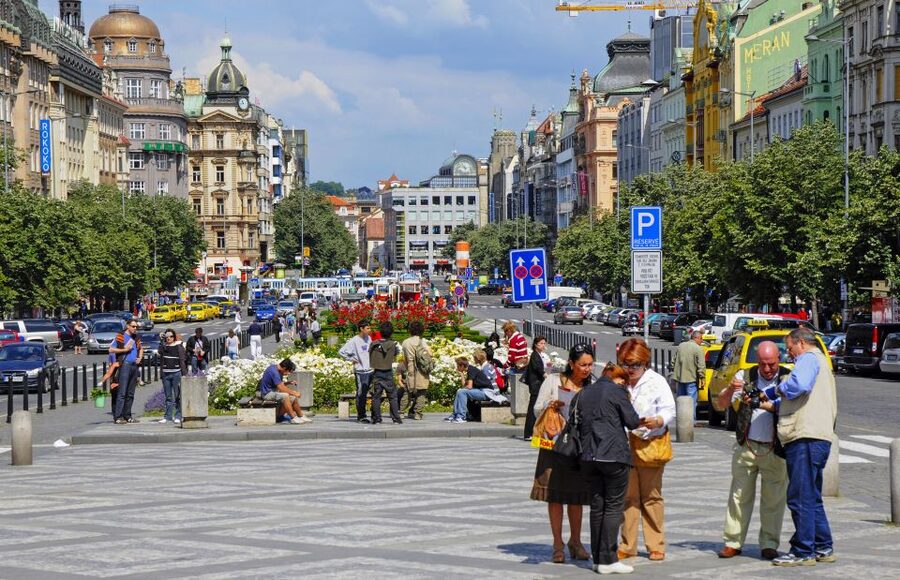
The route continues through New Town toward Wenceslas Square. This area is especially useful for understanding Prague’s political life because it has been connected with major public events and changes in government.
Wenceslas Square is broad and urban, with a very different feel from the lanes around Charles Bridge. The guide uses this change in setting to explain the public side of history: demonstrations, political pressure, occupation, and the desire for reform.
The tour covers the Communist Revolution and the Russian occupation. You’ll also hear about the restrictions placed on culture and information, including the burning of black-listed books. These details show how political control affected ordinary intellectual and cultural life, not only government offices.
Jan Palach’s story is another major part of this section. The guide explains why the student set himself on fire and how his action became tied to resistance and public memory. This is serious material, and the tour presents it as part of the wider story of opposition to Soviet-backed rule.
You may also hear about Milada Horáková, whose opposition to Communism and execution made her an important symbol of political courage. These personal stories give the broad political history a human scale. Instead of hearing only about regimes and borders, you learn about individuals who took grave risks.
The 30-meter Stalin statue and Communist Prague
One of the tour’s more striking sights is the location associated with a 30-meter-tall statue of Stalin. The monument is a powerful symbol of the Communist period and the political relationship between Czechoslovakia and the Soviet Union.
The statue itself is not simply a decorative attraction. Its scale and subject help explain the public image Communist governments wanted to project. The guide uses it to discuss the revolution, the post-war political order, and the influence of Moscow.
This part of the walk is particularly useful if you know little about life behind the Iron Curtain. The guide can explain how politics affected books, public speech, education, and daily choices. The discussion can also extend to what still remains in people’s memories of Communist rule and how Prague has changed since then.
That personal and present-day connection is one of the tour’s strengths. A past participant described asking what still remains in the minds of Czech people, as well as what was happening in the city and country at the time of the visit. The tour is not only about old dates. It can help you understand how the past still influences conversations about the Czech Republic.
Republic Square and the route’s final chapters
The route includes Republic Square before finishing in Prague. This section continues the walk through central areas while the guide brings the story toward the end of Communist rule.
You’ll learn what led to the Velvet Revolution and how the country moved toward political change. The tour explains the links among Soviet occupation, public discontent, student action, and the eventual collapse of the old system.
The walk ends with a broader understanding of how the Czech Republic came through the upheavals of the 20th century. It is a useful final note because you can connect the earlier stories to the country you are visiting now.
Do not expect the route to finish at a single grand monument that wraps up the story. The conclusion is mainly interpretive. The guide helps you put the stops together and understand how one political period led into the next.
How much depends on your guide
This tour is guide-led, and the quality of the explanation matters more here than on a simple route between famous sights. The most praised guides have included Barbara, Martin, Otakar, Inna, Dana, and others.
Barbara has been described as engaging and clear, while Martin has been praised for detailed explanations and discussions about life under Communism. Otakar has received strong comments for answering questions and covering a lot in a short time. Inna was praised for handling questions about the impact of World War II and Communism on Czechoslovakia and the Czech Republic.
You may be in a very small group. One booking had only two people, which allowed for more direct conversation. Group size can change, so you should not count on a private tour, but the format allows questions when the group is manageable.
Bring your questions. This is one of the best ways to get value from the walk. Ask about daily life, political change, the Russian occupation, or what remains visible in Prague today. The guides have been described as willing to discuss topics beyond the basic route.
Adding the Museum of Communism
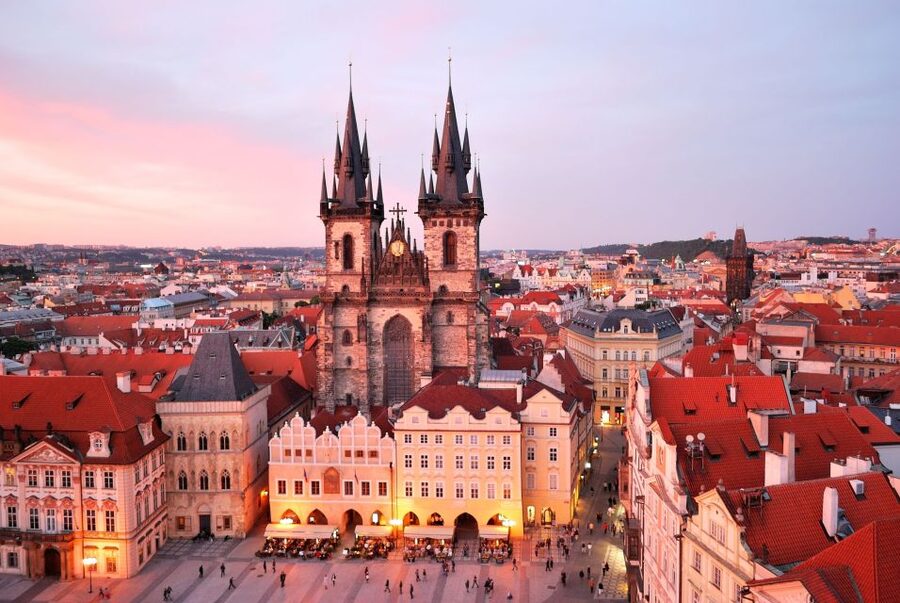
Selected options include entry to the Museum of Communism. Other bookings include a 10 percent discount coupon instead.
The museum can add useful visual material after the walking tour, especially if you want more information about daily life and political control. I would treat it as an optional extension rather than an essential part of the two-hour walk.
One thing to keep in mind is pacing. A past participant found a film connected with the museum repetitive after the guide’s clear explanations. If you choose the museum option, the extra material may repeat some of the tour’s themes. That is not necessarily a problem if you want reinforcement, but it may feel less useful if you prefer a shorter, more discussion-based experience.
The museum option is best for readers who want to spend more time with the Communist period. If your main aim is to walk central Prague and get a broad introduction, the two-hour tour may be enough.
Practical advice for the two-hour walk
Wear comfortable shoes. The route runs through central Prague and includes several stops, so you will spend the full two hours on foot.
The available languages are English, German, and Russian. Check the starting time when booking, since times can vary.
You can cancel up to 24 hours before the activity for a full refund, and the reserve-now, pay-later option lets you keep your plans flexible. Alcohol and drugs are not allowed on the tour.
The experience is most suitable for adults and older students who want political and social history. One booking specifically left children behind because the tour was more focused on learning than on sightseeing. That does not mean families cannot attend, but younger children may find the subject and walking pace demanding.
Who should book this Prague history tour
I would book this tour if you want to understand Prague beyond its castles, bridges, and old town streets. It is a strong choice early in your visit because it gives later sightseeing more meaning.
It also suits anyone interested in World War II, the Cold War, Communism, Soviet influence, political protest, or the creation of modern European states. The connections between World War I, the rise of Nazi power, the post-war Communist period, and the Velvet Revolution are the heart of the experience.
I would choose something else if your priority is interior access, architectural detail, or panoramic views. You will see important central locations, but the main attraction is the guide’s story.
Should you book it?
Book it if you want a serious, well-paced introduction to Prague’s 20th-century history for $29. The tour’s best features are its connected timeline, its central route, and the chance to discuss difficult subjects with a local guide.
Skip it if you want a light sightseeing walk or a tour built around famous buildings. This experience asks you to listen and think. For the right audience, it offers a valuable way to understand the political forces that shaped the Czech Republic.
FAQ
How long is the Prague Communists and World War II Tour?
The walking tour lasts two hours.
How much does the tour cost?
The listed price is $29 per person.
Where does the tour begin?
It begins in front of Charles Bridge at Křižovnické Square, next to the statue of Charles IV.
How do I find the guide?
The guide will hold an orange umbrella. Several company guides may use orange umbrellas, so check that you have found the guide for the Communists and World War II tour.
Which public transport stop is closest?
Staroměstská is the closest tram or subway station to the meeting point.
Which languages are available?
The tour is available in English, German, and Russian.
What places does the walking route include?
The route includes Národní, New Town, Wenceslas Square, and Republic Square, beginning near Charles Bridge.
Is Museum of Communism entry included?
Museum entry is included only if you select the option that includes it. Other bookings receive a 10 percent discount coupon for the museum.
What should I bring?
Bring comfortable shoes for the two-hour walking route.
Can I cancel the tour?
You can cancel up to 24 hours in advance for a full refund. A reserve-now, pay-later option is also available.
Just added in Prague
- World War II 4WD Tour from Prague with Lunch★ 4.4 · 3 reviews
- Prague: Historical Walking Tour with Focus on World War 2★ 4.3 · 12 reviews
- WWII and Communism History in Prague’s Old Town Private Tour★ 5.0 · 4 reviews
- Unique salt cave in Prague★ 4.9 · 10 reviews
- Walking tour of Prague in french: Old Town & Charles Bridge★ 4.9 · 62 reviews
- Prague: Market Tour and Traditional Czech Cooking Class★ 4.7 · 19 reviews
- Ultimate Unlimited Beer Pong with Czech Beer★ 4.6 · 5 reviews
- Walking tour of Prague in French : Nové Město★ 4.9 · 16 reviews
Communism & WWII History Tours, compared.
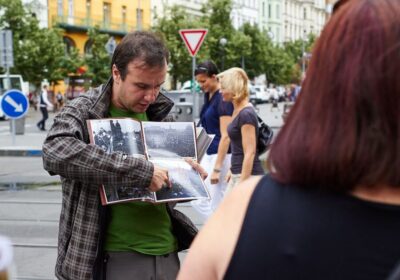
Communism History and Nuclear Bunker Guided Tour
Read our review →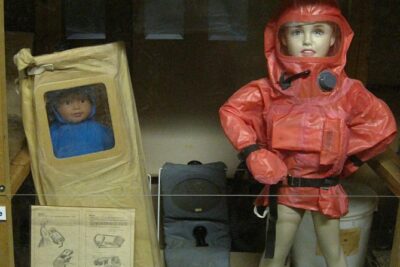
Prague Communism History and Nuclear Bunker Tour
Read our review →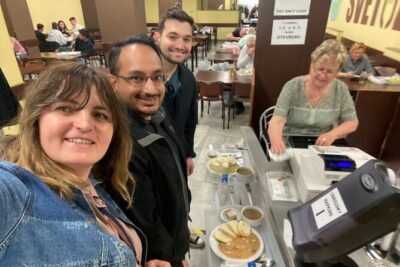
Communism & Nuclear Bunker Tour + 70s Canteen Lunch (own expense)
Read our review →
WWII Guided Tour & The Crypt of Operation Anthropoid
Read our review →
WWII in Prague Tour & The Crypt of Operation Anthropoid
Read our review →
Communism and Bunker Tour with 70s Canteen Lunch
Read our review →
Small-Group World War 2 & Operation Anthropoid Tour in Prague
Read our review →
World War 2 and Operation Anthropoid Walking Tour
Read our review →Browse the lists this tour appears in