Reviewed · TOURS IN PRAGUE
Prague: Guided Operation Anthropoid Tour with Lidice
Operation Anthropoid comes alive at the actual places where it unfolded. You begin in the crypt of St. Cyril and Methodius Church, where seven paratroopers hid for three weeks, then follow the story to the assassination site and the destroyed village of Lidice. This is serious, place-based history, not a quick overview from a coach window.
I like the small-group format, which leaves room for questions, and I like that Lidice is included rather than treated as an optional extra. The private vehicle also makes the three-hour route practical. The main drawback is that the modern assassination site has changed greatly since 1942, so the physical setting there may feel less powerful than the church or Lidice.
Key points
- Seven paratroopers in the crypt: See the cramped place where the resistance fighters hid after Operation Anthropoid.
- The assassination site: Visit the road where Gabčík and Kubiš attacked Reinhard Heydrich.
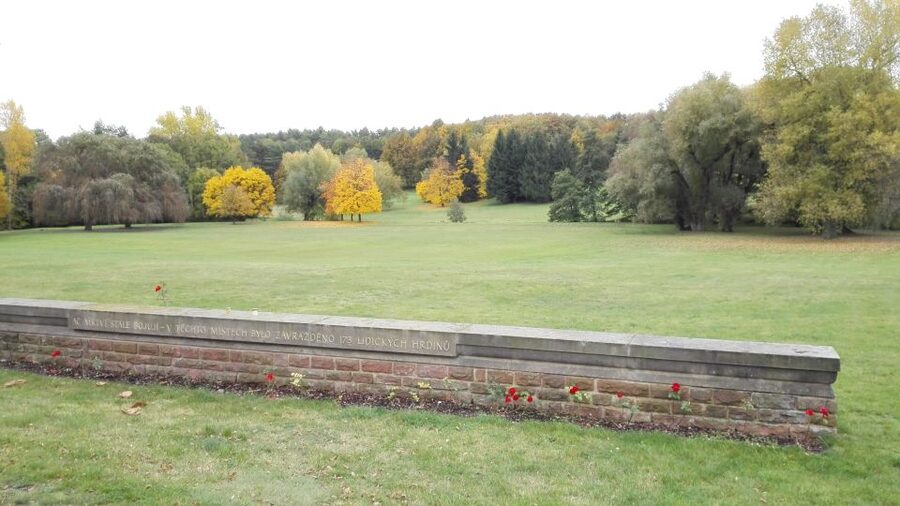
- Lidice’s empty grounds: Walk through the former village and its memorial meadow.
- The 82 children: See the sculpture representing the children of Lidice murdered in Poland.
- A private vehicle: Travel between central Prague, the assassination site, and Lidice without arranging your own transport.
- A guide-led history lesson: Guides including Lenka explain both the military operation and the Nazi reprisals.
Why Operation Anthropoid matters in Prague
Operation Anthropoid was the code name for the 1942 attempt to kill Reinhard Heydrich, one of the highest-ranking Nazi officials in occupied Czechoslovakia. Two Czechoslovak paratroopers, Jozef Gabčík and Jan Kubiš, carried out the attack in Prague.
The story does not end with the assassination. Heydrich died after the attack, and the Nazi response was brutal. The village of Lidice was burned on June 10, 1942. Its inhabitants were killed or sent to concentration camps, and the village was erased.
That connection gives this tour its shape. You are not simply visiting three unrelated memorials. You move from the hiding place, to the attack, to the punishment inflicted on civilians. I find that sequence helps you understand the operation as a chain of decisions and consequences.
The subject is grim, and the tour does not soften it with entertainment. That is part of its value. If you want a light sightseeing outing, choose another Prague activity. If you want to understand the Czech resistance and the cost of Nazi rule, this three-hour route gives you a focused introduction.
A few more things to do in Prague worth a look
- Prague: Castle Tour with Local Guide and Entry Ticket
★ 4.6 · 10,422 reviews - Prague: Klementinum Library & Astronomical Tower Guided Tour
★ 4.5 · 5,050 reviews - Prague Guided Walking Tour and Cruise with Authentic Czech Lunch
★ 5.0 · 3,627 reviews
Inside St. Cyril and Methodius Church
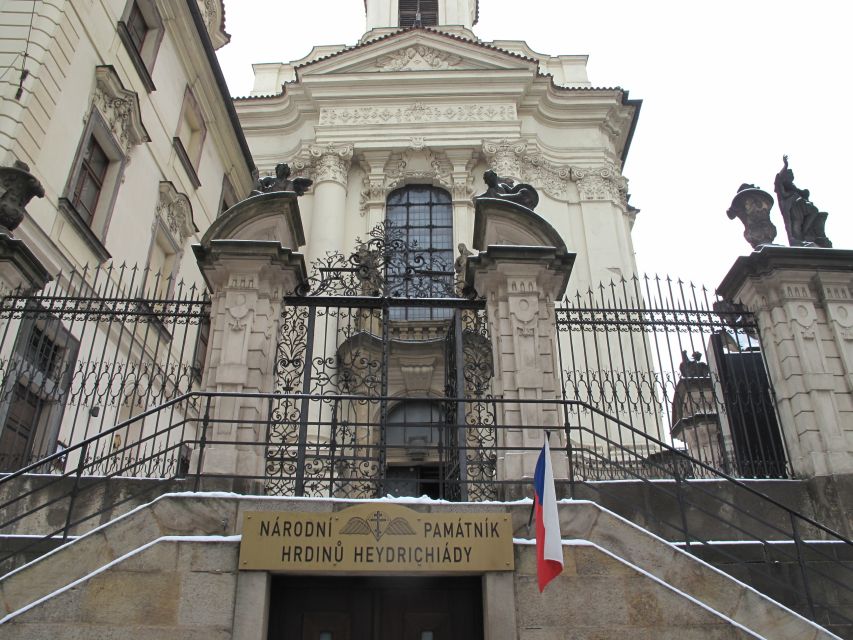
The tour starts in front of the entrance to the crypt below the church steps. Look for a guide holding a sign with your name. This meeting point is useful because it takes you directly to the first major site rather than beginning with a long drive or a general city walk.
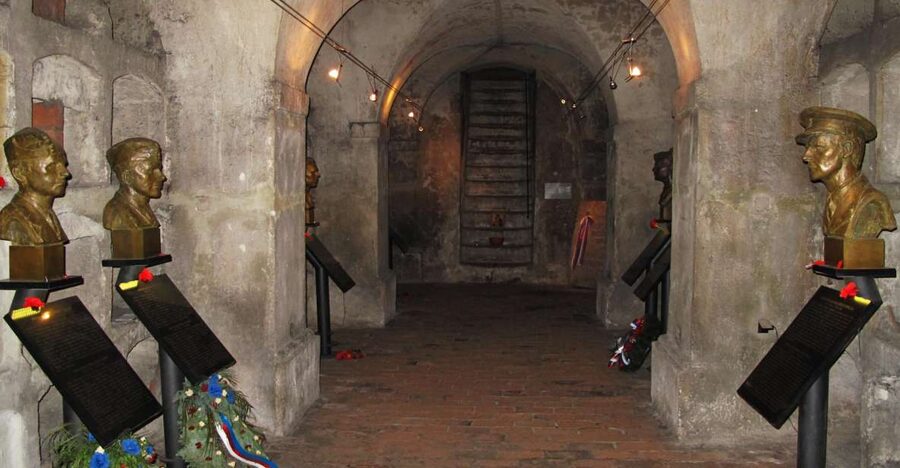
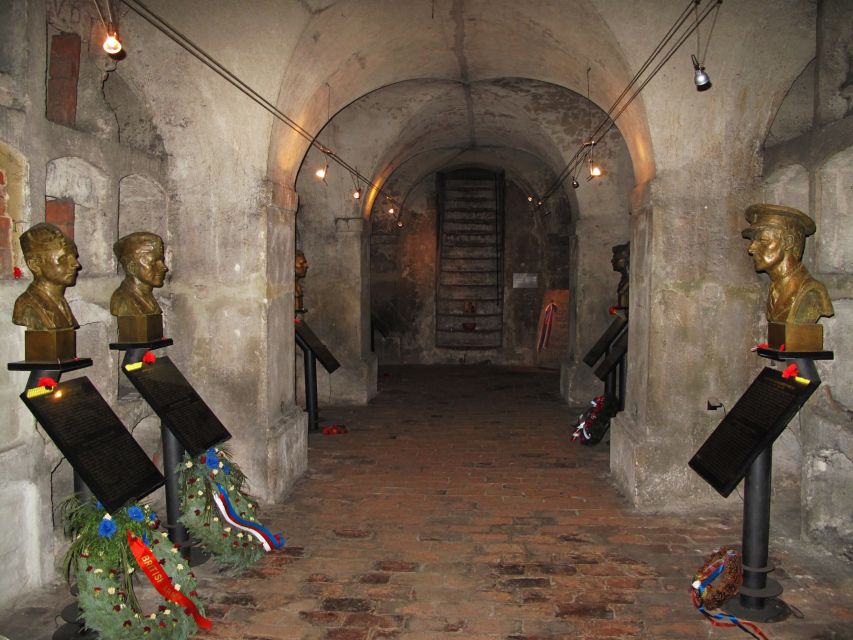
The church is St. Cyril and Methodius, where the seven paratroopers took refuge after the assassination. They remained hidden there for three weeks. The crypt is the key stop, but the church and its memorial areas also help explain how the final confrontation developed.
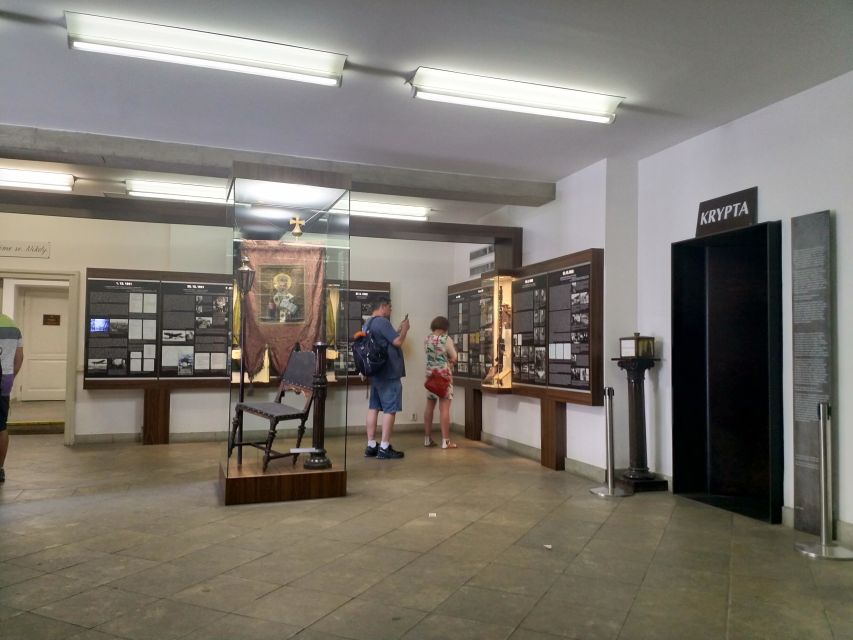
Your guide explains what happened in the church and below it. You also have time to look around on your own, which matters here. A nonstop lecture would make the visit feel rushed. The chance to pause gives you room to notice the space and consider what it meant to shelter seven men while German forces searched for them.
The setting is not grand in the usual sightseeing sense. The power comes from its scale and purpose. A crypt is a confined place, and that physical fact makes the story more immediate. You can better understand the pressure faced by the paratroopers than you would from a museum label alone.
The church visit also puts the Czech response to occupation into context. The guide can explain the attitude of Czech people during World War II, including the danger involved in helping members of the resistance. Guides such as Lenka have been praised for clear English, careful explanations, and a willingness to answer questions. English, German, and French are available.
Give this first stop your full attention. It is the emotional center of the Prague portion of the tour, and you do not want to treat it as a quick photo stop.
The road where Heydrich was attacked
From the church, you continue by private vehicle to the place where Gabčík and Kubiš attacked Heydrich. This is the point where the operation moves from planning and concealment to action.
The road does not look as it did in 1942. Modern buildings and traffic have changed the surroundings, and there is only a small monument marking the location. That is a real limitation. You need to use your imagination, aided by the guide’s explanation, rather than expect a perfectly preserved historical scene.
Still, standing at the location gives the story a useful physical anchor. Your guide can describe the moments around the attack and explain how the two paratroopers carried it out. The site is brief, but it connects the quiet crypt to the event that triggered the Nazi reprisals.
One useful point for history-minded visitors is that the route does not include Heydrich’s home or a detailed walk along his full route to the attack site. If those details matter most to you, you may want to research them separately. The tour focuses on the main assassination location and the larger story rather than reconstructing every step.
I would not judge this stop by the size of the monument. Its importance comes from what happened there, and from the guide’s ability to fill in what the altered street can no longer show.
Lidice, the village that disappeared
The drive to Lidice is the reason this tour needs a vehicle. Lidice lies outside central Prague, and including it by public transport would take more planning and reduce the time available at the memorial. Here, the private car keeps the route within three hours.
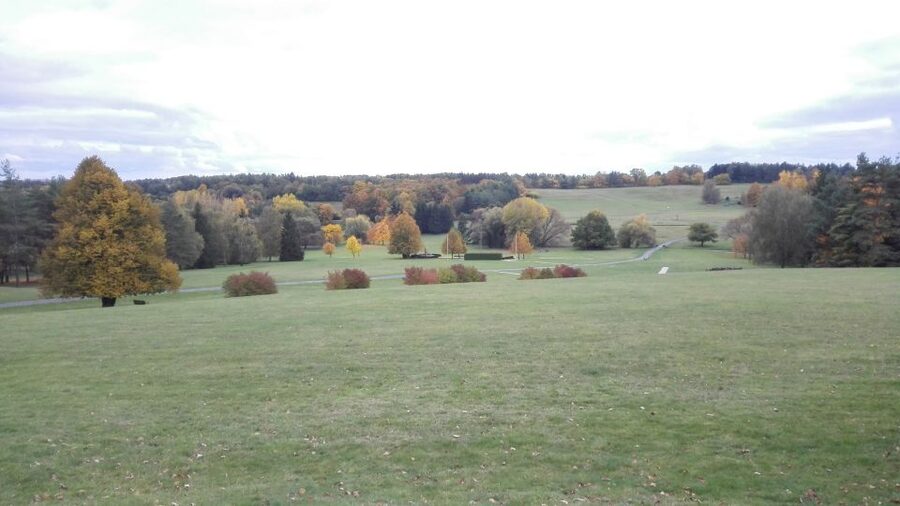
At Lidice, you walk across the grounds where the village once stood. The site was burned on June 10, 1942, as a Nazi reprisal for the assassination and death of Heydrich. The inhabitants were killed on the spot or sent to concentration camps.
The absence of the village is central to the experience. You are not walking through restored streets or viewing a collection of intact houses. You see a memorial area and meadow marking a place that was deliberately destroyed. That emptiness can be harder to process than a preserved building because the scale of the loss is shown through what is missing.
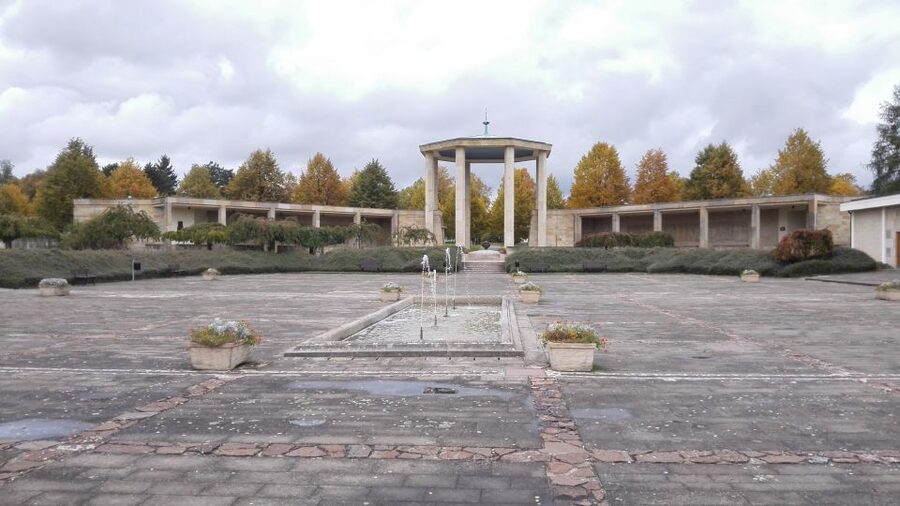
Your guide explains what happened to the inhabitants and how the memorial was created. The stop includes a mass grave and a large memorial. You should expect the mood to become quieter here. Lidice is not a dramatic sightseeing stop in the conventional sense, but it is essential if you want the full story of Operation Anthropoid.
The guide’s role matters especially at Lidice. Without context, a meadow and scattered memorial features might not communicate the whole event. With an explanation of the village’s destruction, the site becomes the final chapter of the operation.
Same streets, a different kind of outing:
- Prague: 50-Minute Sightseeing Evening Cruise
★ 4.2 · 33,780 reviews - Prague: Medieval Dinner with Unlimited Drinks
★ 4.4 · 19,847 reviews - Prague: Skip-the-line Castle Ticket and Optional AudioGuide
★ 4.3 · 11,121 reviews - Prague Castle 2.5-Hour Tour Including Admission Ticket
★ 4.7 · 8,927 reviews
The 82 children of Lidice
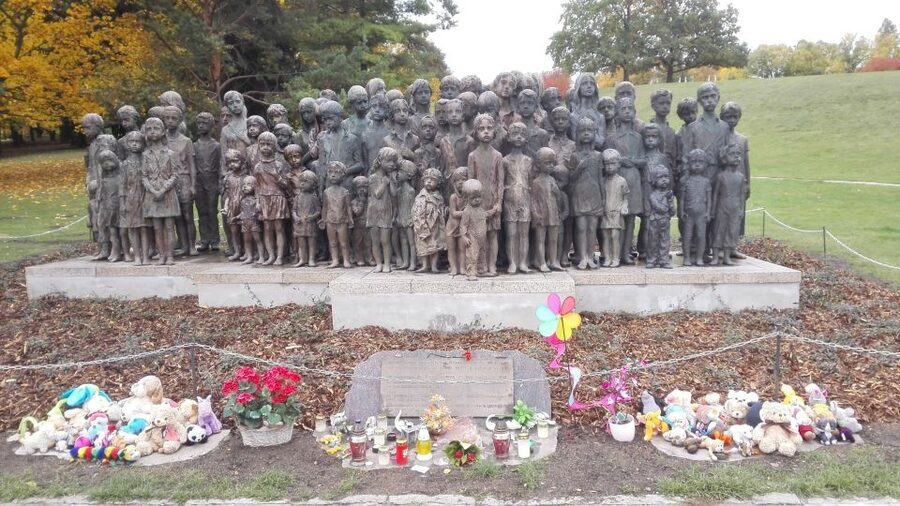
One of the most affecting parts of Lidice is the statue of 82 children. The sculpture represents the children from the village who were gassed in Poland.
The children’s memorial gives the site a human scale. Numbers alone can become abstract, especially when discussing wartime mass violence. The figures make the loss visible without turning it into a spectacle.
Take time here rather than treating the sculpture as something to photograph and leave. The tour allows time at each stop, and this is where a slower pace is especially appropriate. You may find that the children’s memorial stays with you longer than the larger historical explanation.
The inclusion of Lidice’s children also shows why this tour is broader than a military history outing. Operation Anthropoid concerns trained paratroopers, weapons, planning, and resistance. Lidice shows the civilian price that followed.
How the three-hour format works
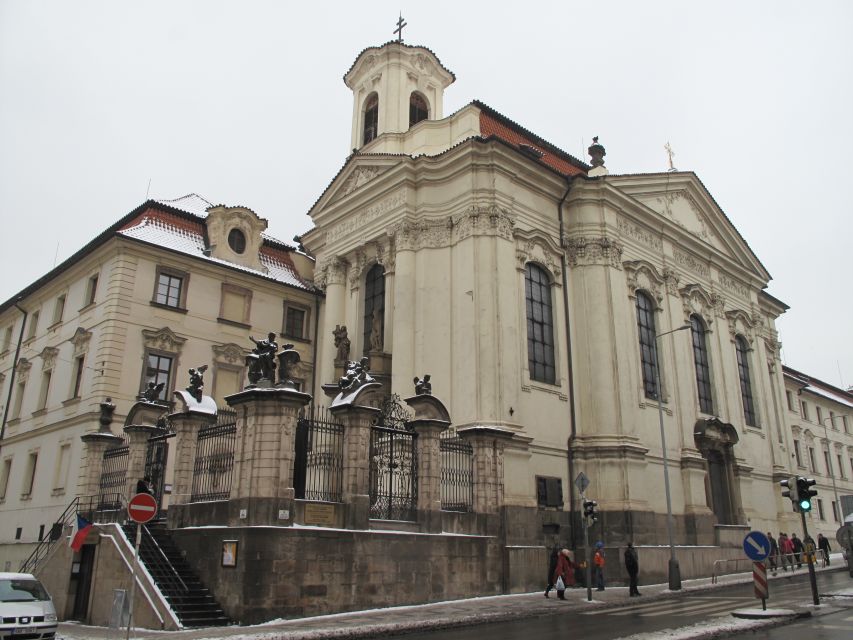
Three hours is short enough to fit into a busy Prague visit, but the route covers three separate locations. The schedule works because the opening meeting point is at the church and a private vehicle handles the farther stops.
Expect the church and crypt to receive the most detailed attention. The assassination site is a shorter stop, partly because the surroundings have changed. Lidice gives you time to walk around the memorial grounds and hear the story of the village.
The group is limited to 15 participants. That is small enough for questions and personal attention without necessarily being a fully private experience for one booking. The tour is described as using a private vehicle, and transport is one of its strongest practical features.
You should wear shoes suitable for walking around memorial grounds and be ready for outdoor conditions. The tour operates in all weather, so a rain jacket or suitable clothing is sensible. The Lidice portion is outdoors, and the emotional weight of the visit can feel different in bright sun, cold weather, or rain, but the subject remains the same.
The activity ends in Prague city center. Hotel pickup and drop-off are not included, so you need to reach the church meeting point yourself and arrange your own return from the city center if needed.
Is $147 a fair price?
At $147 per person, this is not a budget sightseeing tour. The value depends on what you would otherwise need to arrange.
You are paying for a guide, a vehicle, and a tightly organized route that connects central Prague with Lidice. You also avoid working out transport to a site outside the city and trying to piece together the historical links between the church, assassination site, and memorial.
The price makes less sense if you only want to see the church crypt. That visit can be handled separately, and the assassination site itself is not a long attraction. The cost becomes more reasonable when you specifically want Lidice included and want a guide to explain the whole sequence.
I also think the small group affects the value. A large bus tour can cover ground cheaply, but a group capped at 15 gives you a better chance to ask about details, including the resistance, the church, the assassination, or Lidice’s aftermath. The guide can adjust explanations to your interests instead of delivering a fixed script to a crowd.
The three-hour length helps keep the price in proportion. You are not giving up an entire day, yet you get more than a basic transfer or a single memorial visit.
What guides add to the experience
This tour depends heavily on the guide. The sites are meaningful, but some are visually modest. The crypt needs explanation. The changed assassination site needs reconstruction through words. Lidice needs the story of the village and its memorials.
Lenka has led this experience and is noted for strong English, warmth, and clear explanations. She also handles questions well, which is useful if you already know the basic story and want more detail. Other guides may lead the tour, with English, German, and French offered.
A good guide should help you follow the chronology without losing the human side. You need to understand who Gabčík and Kubiš were, why Heydrich was targeted, how the paratroopers reached the church, and why Lidice became the target of revenge.
I would ask questions as you go. The format is designed for interaction, and the small group makes that easier. If you have read about Operation Anthropoid before, tell the guide. You may get more from the time at the assassination site or from the details of Lidice’s memorials.
Who should book this tour?
This experience suits you if you have a strong interest in World War II, Czech resistance history, memorials, or the moral choices made under occupation. It is also useful if you have seen the film or read about Operation Anthropoid and want to visit the real locations.
It is a good choice for a first visit to Prague if you want to move beyond the Old Town and castle circuit. The tour shows a side of the city connected to occupation and resistance rather than royal history and architecture.
Families with older children may find the route meaningful, but the subject is disturbing. The discussion includes killings, concentration camps, the destruction of a village, and the murder of children. Use your judgment based on the age and sensitivity of anyone in your group.
You should skip it if you want a cheerful half-day outing, extensive sightseeing photography, or a detailed tour of every location connected to Heydrich. The experience is focused, sober, and sometimes painful.
Practical details before you go
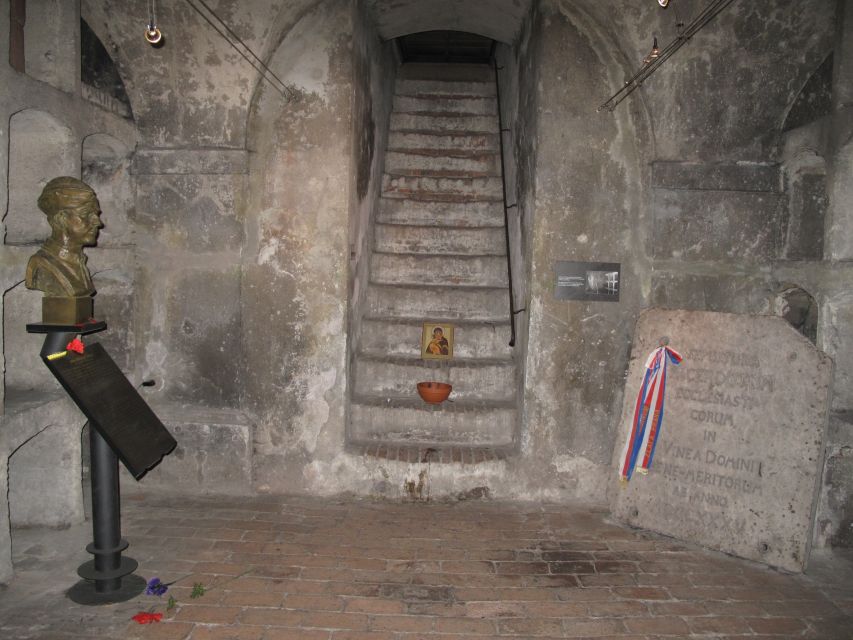
Meet your guide in front of the entrance to the crypt below the church steps. The guide will hold a sign with your name. Since hotel pickup is not included, allow enough time to reach the church without hurrying.
The tour lasts three hours and ends in Prague city center. It operates in all weather, so dress for outdoor time at Lidice. Bring only the level of historical preparation you want. The guide can provide the main explanation, but even a little prior reading will help you recognize the people and events.
Free cancellation is available up to 24 hours before the tour for a full refund. You can also reserve now and pay later, which helps if your Prague schedule is still changing.
Should you book Operation Anthropoid with Lidice?
Book it if you want the full arc of the story, from the paratroopers’ refuge to the assassination and the destruction of Lidice. The church crypt and the children’s memorial are the strongest parts, while the assassination site is more dependent on the guide because the modern street has changed.
The tour is worth considering at $147 when you value transport, personal explanation, and the chance to see Lidice without arranging the trip yourself. It is not the cheapest way to visit one Prague church, but it is a practical and serious way to understand one of the most important resistance stories in Czech history.
FAQ
How long does the Operation Anthropoid tour last?
The tour lasts three hours, including the church crypt, the assassination site, and Lidice.
Where does the tour meet?
Meet your guide in front of the entrance to the crypt below the steps of St. Cyril and Methodius Church. The guide will hold a sign with your name.
Is transportation included?
Yes. A private vehicle is included for the route between the Prague locations and Lidice.
Is hotel pickup included?
No. Hotel pickup and drop-off are not included. You need to reach the church meeting point yourself.
Which languages are available?
The live guide service is available in English, German, and French.
Does the tour operate in bad weather?
Yes. The tour takes place in all weather conditions, so dress appropriately for the outdoor visit to Lidice.
Just added in Prague
- World War II 4WD Tour from Prague with Lunch★ 4.4 · 3 reviews
- WWII and Communism History in Prague’s Old Town Private Tour★ 5.0 · 4 reviews
- Prague: Historical Walking Tour with Focus on World War 2★ 4.3 · 12 reviews
- Walking tour of Prague in french: Old Town & Charles Bridge★ 4.9 · 62 reviews
- Unique salt cave in Prague★ 4.9 · 10 reviews
- Prague: Market Tour and Traditional Czech Cooking Class★ 4.7 · 19 reviews
- Ultimate Unlimited Beer Pong with Czech Beer★ 4.6 · 5 reviews
- Walking tour of Prague in French : Nové Město★ 4.9 · 16 reviews
Tours in Prague, compared.
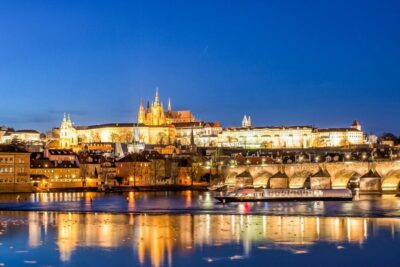
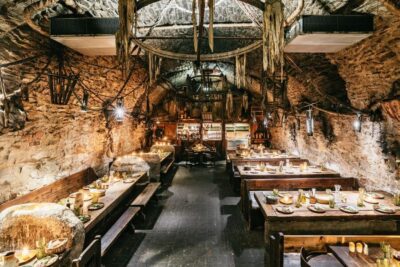
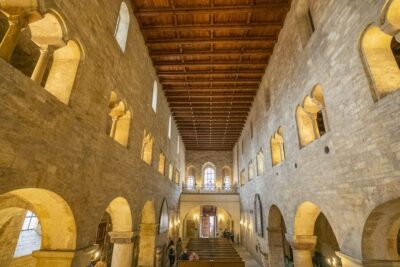
Castle Tour with Local Guide and Entry Ticket
Read our review →
Prague Castle 2.5-Hour Tour Including Admission Ticket
Read our review →
Oldtown, Medieval Underground & Dungeon History Tour
Read our review →