
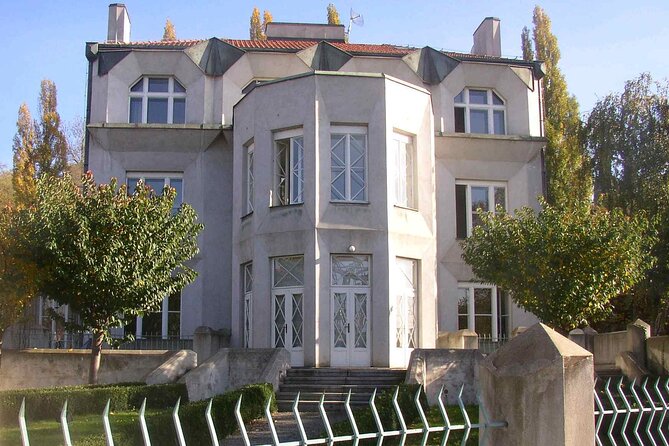
Reviewed · WALKING TOURS
Private Prague Art Nouveau and Cubism Walking Tour
Prague’s most famous sights are medieval, but this private tour shows you the city’s daring early-20th-century side. With guide Max Hutar, you trace the jump from decorative Art Nouveau to sharp-edged Czech Cubism, often through buildings you might otherwise walk past.
I like the clear progression from Prague Central Station to the Three Cubist Houses, and I like that the private format lets your group ask questions as the details unfold. The main drawback is the pace: there is plenty of walking, some public transport, and the tour may run beyond its advertised two and a half hours.
Key points to know before booking
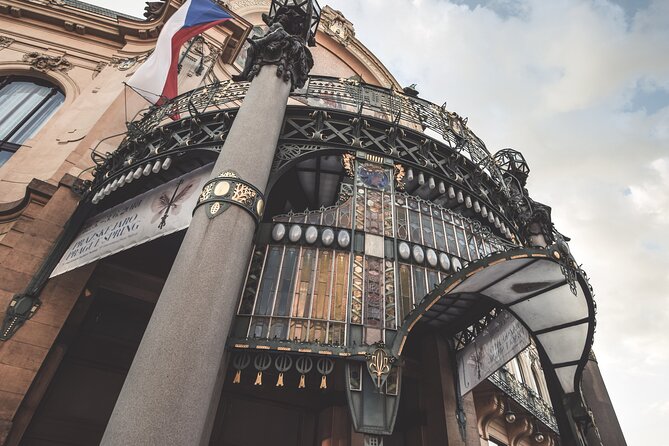
- See two major design movements in one route: The tour links Prague’s Art Nouveau buildings with its rare and highly distinctive Cubist architecture.
- Start inside Prague Central Station: The 1909 station offers an immediate look at local Art Nouveau design.
- Visit the Municipal House and House of the Black Madonna: These are among the strongest stops for understanding the difference between decorative Art Nouveau and geometric Cubism.
- Expect a private English-language experience: Only your group participates, with space for up to 15 people.
- Use public transport as part of the tour: The route is not one continuous walk, and the ticket used for the final leg remains valid for your return toward central Prague.
- Pay attention to the finish: The tour ends near the Albertov tram stop, not back at the main station or Old Town Square.
Why Prague’s Art Nouveau and Cubism belong together
Art Nouveau and Cubism may seem like opposites. One favors flowing lines, flowers, mosaics, and decorative façades. The other breaks forms into hard angles and unusual shapes. In Prague, though, they appear within the same compact city center and often within the same period of artistic change.
That makes this tour useful as an introduction to Prague’s modern architecture. You are not simply being shown pretty buildings. You are given a visual way to read the city. By the end, you should be better prepared to spot curved ornament, stylized figures, geometric windows, and faceted façades on your own.
The tour also helps explain why Prague matters in the story of Cubism. Czech architects adapted the movement for buildings, interiors, furniture, and even street furniture. Emil Králíček’s Cubist lamppost is a small but memorable example. It shows that the style was not limited to grand houses.
The private setup is important here. Up to 15 people can join, but the experience is reserved for your own group. That gives you more freedom to ask Max about a detail, pause at a façade, or connect the architecture with other parts of Prague you have seen.
More walking routes in Prague:
- Prague: 3-Hour Walking Tour of Old Town & Prague Castle
★ 4.7 · 5,696 reviews - Prague: Ghost Walking Tour Where Legends Come To Life
★ 4.4 · 5,253 reviews - Prague: Jewish Quarter Walking Tour with Admission Tickets
★ 4.7 · 3,729 reviews
Prague Central Station begins the visual lesson
The tour starts at Praha hlavní nádraží, Prague’s main train station on Wilsonova. The historic building opened in 1909 and is one of the city’s important Art Nouveau landmarks.
The station has recently been reconstructed, so you can see its halls and corridors in a more polished condition. The advantage of beginning here is that you get an indoor introduction to the period before heading into the streets. Look for the decorative treatment and the way a major transport building was designed to feel grand rather than merely functional.
You spend about 15 minutes here, with no admission charge. Since the station is also a working transport hub, this is a practical starting point for anyone arriving by train.
Jerusalem Synagogue adds Moorish detail
A short stop at the Jerusalem Synagogue shows how Prague’s architecture could combine several influences. Built in 1906, it uses a traditional Moorish style associated with synagogue design while incorporating Art Nouveau elements.
The stop is listed for about five minutes, so this is mainly an exterior viewing point rather than a long interior visit. Admission is not included. The value lies in seeing how Art Nouveau did not always appear in a single, pure form. Prague’s architects borrowed from different sources and created buildings with layered visual identities.
This is also a useful reminder that the tour is about the city’s cultural setting as well as its design. Religious buildings, apartment houses, banks, hotels, and public institutions all took part in Prague’s architectural changes.
Senovážné Square and Hotel Central reveal everyday Art Nouveau
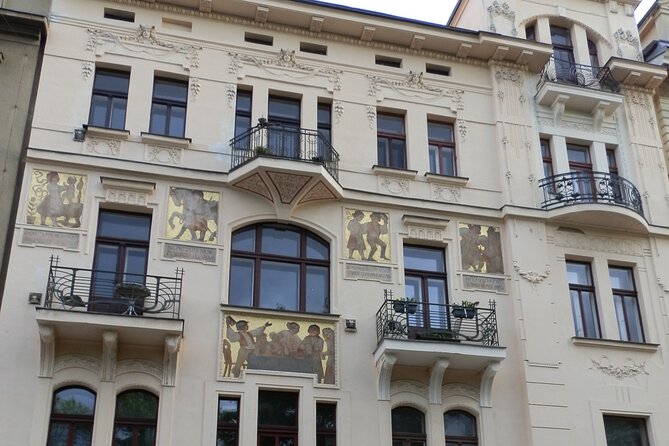
At Senovážné náměstí, three luxurious apartment buildings provide examples of typical Prague Art Nouveau. This is a good place to shift your attention from major public landmarks to residential architecture.
Apartment buildings can tell you a lot about a period. Their entrances, upper floors, ornament, and overall proportions show how design reached into ordinary urban life, not just grand civic projects. The stop lasts about five minutes and is free.
Nearby, at Hybernská 10, you see Hotel Central, built in 1899. It is one of Prague’s early Art Nouveau buildings. The stop is also short, and admission is not included. Its importance comes from its date and position in the development of Prague’s modern style.
If you like architecture, these brief stops reward close looking. If you prefer long interior visits, they may feel quick. Much of the tour’s appeal comes from moving between many examples rather than spending half an hour inside one building.
A few more things to do in Prague worth a look
- Prague Old Town: Private Tour
★ 5.0 · 1,223 reviews - Prague Airport Private Arrival Transfer
★ 4.5 · 991 reviews - Prague Airport Private Departure Transfer
★ 4.5 · 780 reviews - Discover Prague Private Tour – 3 hours
★ 5.0 · 705 reviews
Municipal House is the Art Nouveau centerpiece
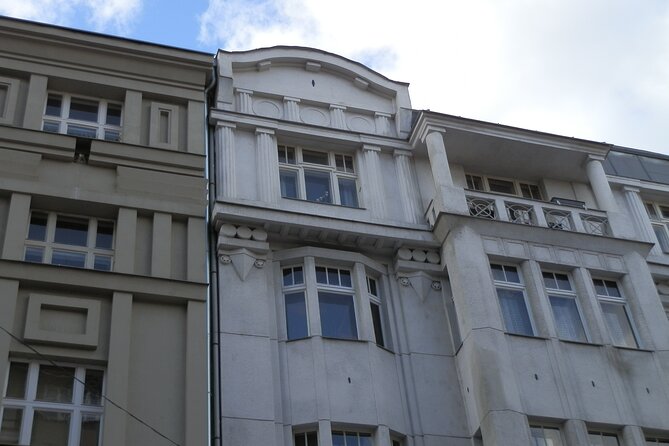
Obecní dům, or the Municipal House, is the largest and most important Art Nouveau stop on the route. Designed in 1905, it still functions as a cultural and representative building for Prague.
This is the point where the style’s decorative side comes forward with force. Give yourself time to examine the façade, ornamental details, and the relationship between the building’s grand purpose and its visual richness. Max can also place the building within the period’s artistic and civic life.
The listed stop lasts about ten minutes. Admission is not included, so you should not assume that the tour includes an extended interior visit. The route uses the Municipal House mainly as a key architectural example, not as a separate museum tour.
For many people, this will be one of the most impressive Art Nouveau buildings on the route. It is also an excellent comparison point for what comes next.
House of the Black Madonna introduces Czech Cubism
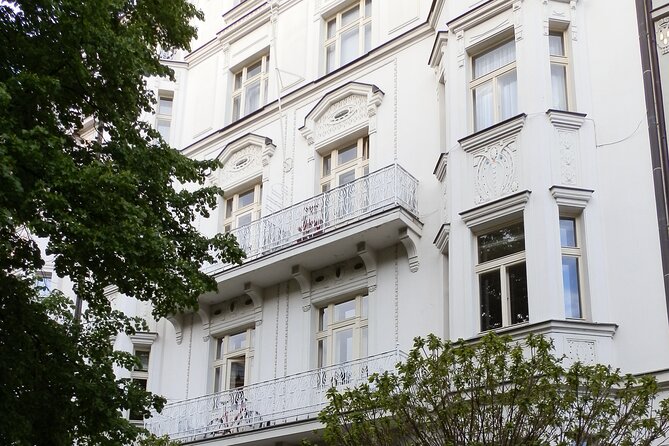
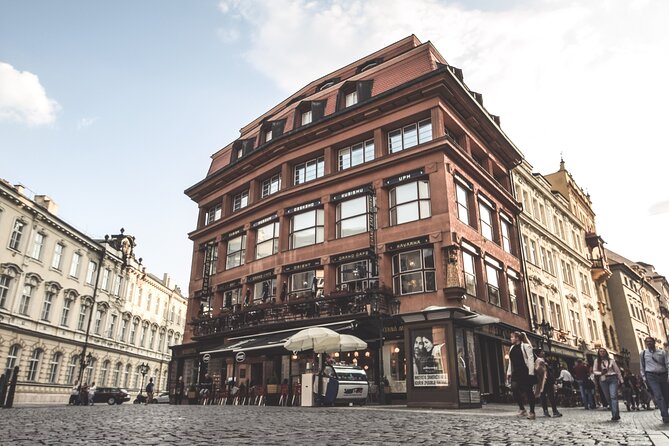
The House of the Black Madonna, built in 1912, is the tour’s central Cubist landmark. Its location in the heart of Prague makes it easy to reach, but its form is anything but ordinary.
The building is known for its stylistic purity and is often treated as a flagship of Cubist architecture in Prague. Here, you can compare the flowing decoration of the Municipal House with a more angular approach to façades and structure.
The stop lasts about ten minutes, and admission is not included. The tour does not turn this into a long museum visit, but the building itself is the lesson. Its shape helps you understand how Prague architects adapted Cubist ideas before the First World War.
This is one of the places where Max’s explanations matter most. A quick photograph will show the angles, but a guide can help you notice how those forms affect the building’s overall character.
Na Příkopě and the Cubist lamppost show design in public space
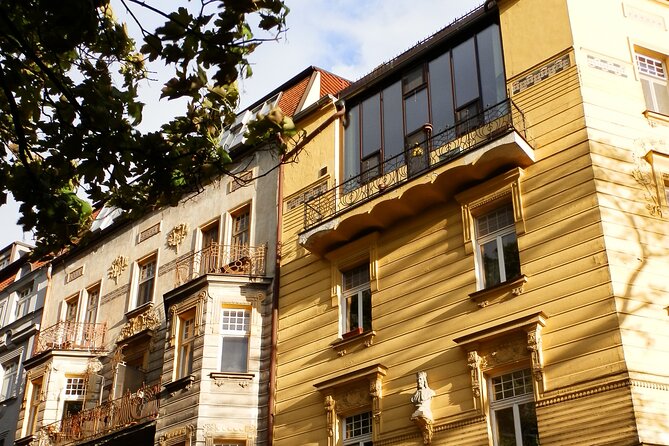
Na Příkopě is the boulevard dividing Prague’s Old Town and New Town. Its banks and other buildings provide more Art Nouveau examples, this time in a busy commercial setting.
The stop lasts about five minutes and is free. Do not expect a quiet architectural plaza. This is an urban street, and the point is to learn how banks and commercial buildings used elaborate design to project confidence and status.
The Emil Králíček Cubist lamppost is a smaller stop, but it may be one of the most memorable. This unusual piece of street furniture is considered one of the most radical Cubist additions to Prague’s public realm.
It takes about five minutes to see, and there is no admission charge. I like this stop because it proves that Cubism was not only a style for wealthy homes or major buildings. Even a lamppost could become an architectural experiment.
Wenceslas Square and Vodičkova widen the route
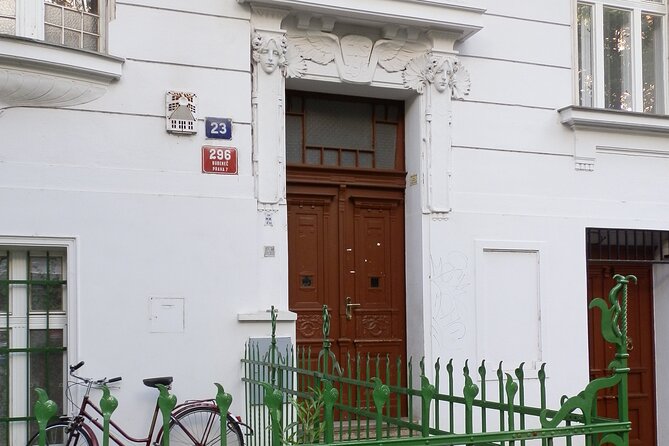
Wenceslas Square gives you a broader view of central Prague’s Art Nouveau commercial architecture. The square includes several Art Nouveau hotels and department stores, and the stop lasts about 20 minutes, one of the longer pauses on the itinerary.
This is a useful place to connect architecture with the changing city. Hotels and department stores needed to attract attention, and their façades helped turn a major square into a showcase of modern urban life. The stop is free.
On Vodičkova, you see several Art Nouveau and Cubist buildings. The route continues to mix the two styles rather than treating them as isolated chapters. That approach helps you understand Prague as a city where competing ideas appeared side by side.
Both stops are outdoors and form part of the walking route. Wear sensible shoes. The short listed times can look modest, but the connecting walks add up.
Three Cubist Houses are the route’s boldest group
The Three Cubist Houses, located beneath the Vyšehrad fortress, form one of Prague’s best-known Cubist architectural groups. Their shared presence makes the style easier to understand than a single isolated building would.
You can compare the houses with the earlier Art Nouveau examples and see how far the designers pushed angular forms. The stop lasts about five minutes, and admission is not included.
This section also marks a change in the feel of the tour. You have moved away from the busiest central streets and toward a more residential architectural setting. The route is not only about famous façades. It shows how Cubist ideas appeared in different parts of the city.
Villa Kovařovic and Neklanova finish near Albertov
Villa Kovařovic, built on the Vltava riverbanks in 1912, is a Cubist masterpiece influenced by Gothic and Baroque architecture. That mix is especially useful because it shows that Cubism in Prague was not cut off from earlier Czech and European traditions.
The stop lasts about ten minutes, and admission is not included. Look for the way older architectural references are reworked into a more modern, geometric design.
The final stop is on Neklanova, where an apartment building from 1913 provides a closing example of Cubist design. It takes about five minutes and is free to view.
The tour ends near the Albertov tram stop at Na Slupi. This matters when planning your day. You will not finish where you started, but you can use public transport to return quickly toward the city center. The same public transport ticket used for the final leg remains valid long enough for that return trip.
How much walking and time should you plan?
The advertised duration is about two hours and 30 minutes, but the stop times do not add up to the full length. That is because the route includes walks between buildings and public transport at one point.
Plan for steady movement rather than a short series of parked viewing stops. One participant specifically found that the tour could run longer than two and a half hours. If you have a train, meal, show, or timed admission afterward, leave extra room.
The route starts at Prague Main Station and finishes near Albertov. It is close to public transportation, and most people can take part. Service animals are allowed. The tour is offered in English and uses a mobile ticket.
Because this is a private activity, you can book it for your own group rather than joining a mixed party. The maximum group size is 15, but smaller groups will likely find the discussion more personal.
Is the $94.93 group price good value?
At $94.93 per group of up to 15 people, the price can be very reasonable for a private architecture tour. A group of two pays more per person than a group of six, but the fixed group rate becomes attractive as more people join.
The strongest value is the specialist focus. This is not a general introduction to Prague’s Old Town sights. It gives you a carefully connected look at Art Nouveau and Cubism, two styles that are easy to miss without guidance.
Some admissions are not included, so budget separately if you want to enter any of the buildings where an admission charge applies. The tour’s value comes mainly from the route, explanations, and access to a set of buildings spread across the city.
The guide, Max Hutar, is repeatedly praised for his enthusiasm, preparation, storytelling, and ability to explain both architectural styles and the people and period behind them. The most useful result is practical: after the tour, you should be able to recognize more examples during the rest of your stay.
Who should book this Prague architecture walk?
I would choose this tour if you enjoy design, buildings, urban history, or unusual details. It suits visitors who have already seen Prague’s main medieval sights and want a different way to understand the city.
It is also a strong first-day activity for anyone who wants help getting oriented. The route covers several central districts, then moves toward Vyšehrad and Albertov, so you see more than the standard Old Town circuit.
You may want another option if you dislike walking, need a tightly timed schedule, or want long interior visits at every stop. The tour is active, the timetable can stretch, and several buildings are viewed briefly from outside.
Free cancellation is available if you cancel at least 24 hours before the local start time. Changes or cancellations inside that window are not refunded.
FAQ
How long does the tour last?
The advertised duration is approximately two hours and 30 minutes. The route includes walking between stops and public transportation, and it may take longer than the advertised time.
Where does the tour begin?
The tour begins at Prague Main Station, at Wilsonova 300/8 in Prague 2.
Where does the tour end?
It ends near the Albertov tram stop at Na Slupi 2102/2b. Public transportation can take you back toward central Prague.
Is this a private tour?
Yes. Only your group participates, and the group can include up to 15 people.
What language is the tour offered in?
The tour is offered in English.
Are admission fees included?
Admission is not included for several listed stops, including the Jerusalem Synagogue, Hotel Central, Municipal House, House of the Black Madonna, Three Cubist Houses, and Villa Kovařovic. Some outdoor stops have no admission charge.
Can I cancel for a full refund?
Yes, if you cancel at least 24 hours before the experience start time. Cancellations or changes made less than 24 hours before the start are not refunded.
Should you book it?
Book this tour if you want Prague to make more visual sense. Max Hutar’s route connects grand Art Nouveau buildings, bold Cubist houses, and even a streetlamp into one clear story. The price works best for a group, and you should allow extra time for walking and public transport.
Skip it if your main goal is medieval Prague, extended museum access, or a relaxed route with little walking. For architecture and design fans, though, this is a focused and unusual way to see a side of Prague that many visitors miss.
Just added in Prague
- World War II 4WD Tour from Prague with Lunch★ 4.4 · 3 reviews
- WWII and Communism History in Prague’s Old Town Private Tour★ 5.0 · 4 reviews
- Prague: Historical Walking Tour with Focus on World War 2★ 4.3 · 12 reviews
- Walking tour of Prague in french: Old Town & Charles Bridge★ 4.9 · 62 reviews
- Unique salt cave in Prague★ 4.9 · 10 reviews
- Prague: Market Tour and Traditional Czech Cooking Class★ 4.7 · 19 reviews
- Ultimate Unlimited Beer Pong with Czech Beer★ 4.6 · 5 reviews
- Walking tour of Prague in French : Nové Město★ 4.9 · 16 reviews
Walking Tours, compared.
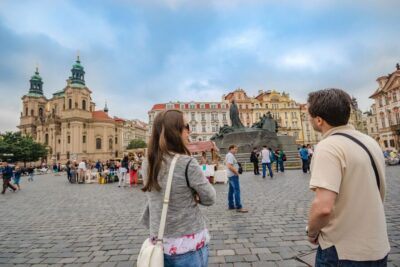
3-Hour Walking Tour of Old Town & Prague Castle
Read our review →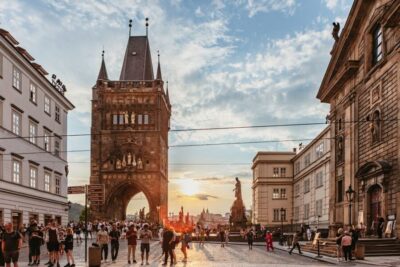
Ghost Walking Tour Where Legends Come To Life
Read our review →
Jewish Quarter Walking Tour with Admission Tickets
Read our review →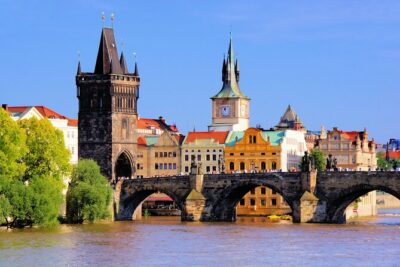
Prague Guided Walking Tour and Cruise with Authentic Czech Lunch
Read our review →
Old Town and Jewish Quarter Guided Walking Tour
Read our review →
Prague Ghost and Legend of Old Town Walking Tour
Read our review →
Prague 3-hour Afternoon Walking Tour including Prague Castle
Read our review →
Ghosts and Legends Nighttime Guided Walking Tour
Read our review →Browse the lists this tour appears in