Reviewed · TOURS IN PRAGUE
Taste, Cook and Dine Traditional Czech
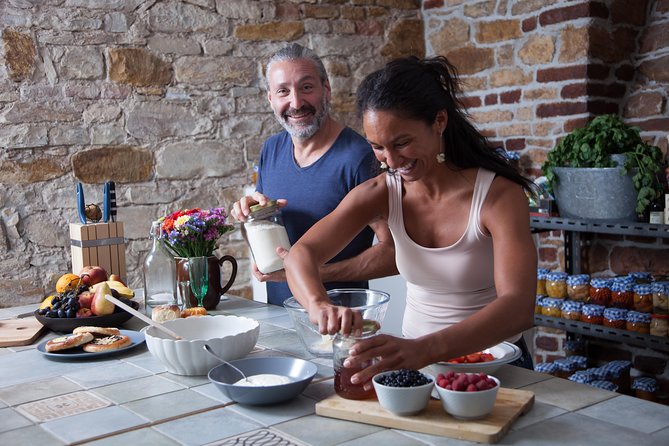
Czech food makes the most sense when you see how humble ingredients become family dishes. In this small class, you taste sausages, cheeses, pickles, jams, seasonal produce, and Moravian wine while learning why potatoes, cabbage, bread, and preserved foods matter so much in Czech homes. I like the hands-on cooking and the warm, social pace led by Bret.
I also like that the meal is not just one recipe and a quick bite. You help with several dishes, hear about Czech food and history, and sit down for a proper meal with wine. The main consideration is the price: at $167.75 per person, it costs more than a standard cooking class or restaurant dinner, so you should book it for the personal setting and cultural context, not simply for the amount of food.
Key points to know before booking
- Small class: The group is capped at eight people, which gives you a real chance to take part.
- Czech menu: Expect traditional foods such as potato pancakes, bread dumplings, goulash, svíčková, roasted duck, and fruit dumplings, depending on the season.
- Hosted by Bret: Bret leads the class, sometimes with his sister Svetlana, and guides the cooking, tasting, and conversation.
- Wine is part of the evening: You taste three Czech wines, including Moravian selections, plus a sample of Czech fruit brandy.
- Karlín location: The class begins and ends at Křižíkova 70/67 in Prague 8, near public transportation.
- Plan for three and a half hours: This is an evening-style food experience, not a quick lesson squeezed between sightseeing stops.
Czech cooking begins with the pantry
The class starts with a broad tasting of foods that give you a useful introduction to Czech eating habits. You might sample smoked sausages, local cheeses, homemade bread, jams, pickles, seasonal fruits, and vegetables.
This opening spread matters because Czech cooking often grows from storage-friendly foods and simple farm ingredients. Preserves, bread, potatoes, cabbage, dairy, and cured meats are not side notes here. They form the foundation of many home meals.
I like this start better than a class that rushes straight into chopping. You first taste the ingredients on their own, then see how they fit into larger dishes. That makes the later recipes easier to understand.
The selection changes with the season, so you should not expect one fixed tasting menu every time. That gives the experience a more local feel, though it also means you cannot count on every item named in the sample menu.
Other trips people book in Prague:
- Prague: 50-Minute Sightseeing Evening Cruise
★ 4.2 · 33,780 reviews - Prague: Medieval Dinner with Unlimited Drinks
★ 4.4 · 19,847 reviews - Prague: Skip-the-line Castle Ticket and Optional AudioGuide
★ 4.3 · 11,121 reviews
A hands-on look at Czech starters
One starter may be potato-sauerkraut pancakes, a quark cheese spread, or a carrot and kohlrabi salad. You help prepare one of these dishes with typical Czech ingredients.
The potato-sauerkraut pancakes are especially useful for understanding the country’s comfort-food tradition. They combine earthy potatoes with sharp fermented cabbage, then turn basic ingredients into something crisp and satisfying. If the class features the quark spread or vegetable salad instead, you still get a look at how dairy and fresh produce balance heavier dishes.
The class is participatory without making you responsible for an entire restaurant service. You may grate cheese, flip a potato pancake, prepare dumplings, or assist with other parts of the meal. That level of work suits people who want to cook but also want time to talk and eat.
Bret’s style, based on the experience described by past participants, keeps the lesson relaxed and social. You are not simply watching a chef perform. You are given jobs, then brought back to the table for food, conversation, and wine.
The main course explains Czech comfort food
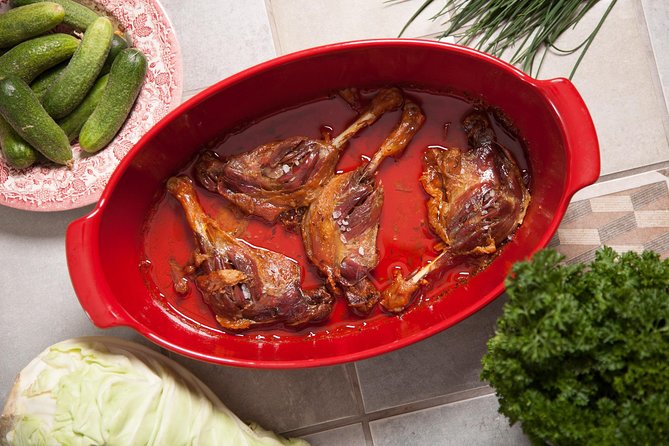
While you prepare some of the starters and side dishes, Bret prepares the main course in advance. The possible choices include svíčková, beef goulash, Spanish bird, roasted duck, rabbit with vegetables, or beef with mushrooms.
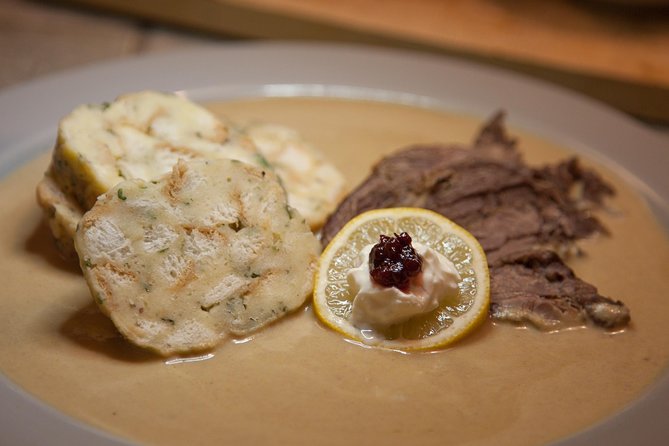
Svíčková is a particularly important Czech dish. It pairs beef with a smooth vegetable cream sauce and is usually served with bread dumplings. Goulash offers a heavier, more paprika-forward option, while roasted duck and rabbit show the older connection between Czech cooking, farming, and game.
The exact main dish depends on the occasion and season. That is helpful if you want variety, but less helpful if you are booking because one specific dish is your top priority. Ask ahead if a certain recipe matters to you.
The prepared main course also changes the rhythm of the class. You do not spend three and a half hours trying to cook every component from scratch. Instead, you learn selected techniques, taste a wider range of foods, and finish with a meal that has been carefully prepared for the group.
Bread dumplings are the practical lesson
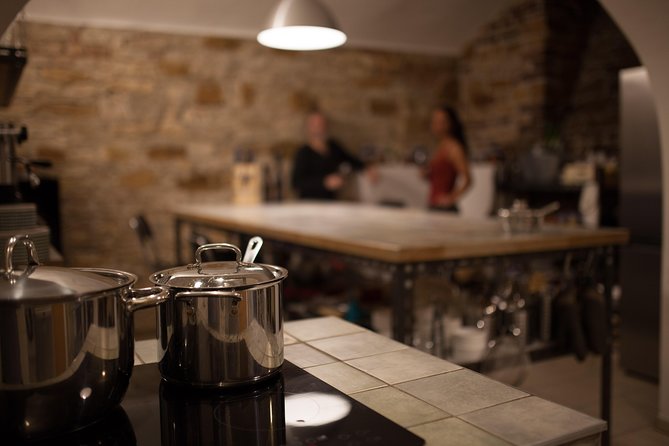
Bread dumplings are prepared together and served as the side dish. They are a smart choice for a cooking class because they are closely tied to Czech cuisine and are less familiar to many visitors than potatoes or rice.
They also show how bread can become part of a filling, structured side dish rather than simply something placed beside the meal. With svíčková or goulash, dumplings help carry the sauce, which is one reason they appear so often with Czech mains.
This is one of the strongest parts of the class for anyone who wants to bring a Czech idea home. You learn a dish connected to the national table, not merely a decorative garnish or a restaurant trick.
Do not expect a formal chef-training lesson. The focus is on cultural understanding and shared preparation. If you want exact professional measurements, advanced knife work, or a printed curriculum, this may feel informal. If you want to learn a few useful dishes while enjoying dinner, the approach fits well.
Same streets, a different kind of outing:
- Prague: Castle Tour with Local Guide and Entry Ticket
★ 4.6 · 10,422 reviews - Prague Castle 2.5-Hour Tour Including Admission Ticket
★ 4.7 · 8,927 reviews - Prague: Oldtown, Medieval Underground & Dungeon History Tour
★ 4.2 · 8,244 reviews - Prague: Vltava River Night Cruise with Buffet
★ 4.3 · 7,338 reviews
Dessert finishes with fruit or meringue
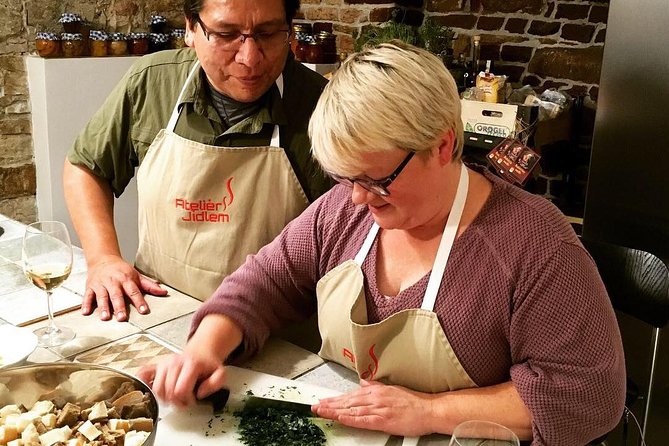
Dessert may be fruit dumplings or kremrole. Fruit dumplings are filled with fresh seasonal fruit and served with poppy seeds, quark, or both. Kremrole is a delicate pastry filled with sweet meringue.
The fruit dumplings connect dessert to the same practical cooking style used in the savory dishes. Seasonal fruit becomes the center of a soft dumpling, while poppy seeds and quark add texture and richness.
Kremrole gives you something quite different, with flaky pastry and sweet meringue. Since the dessert changes, you may want to ask what is planned if you have a strong preference.
Either way, dessert is part of a full progression rather than an afterthought. You move from small tastings to a prepared starter, a main dish, dumplings, and a sweet course. That helps explain the higher cost compared with a short tasting session.
Three Czech wines and a little fruit brandy
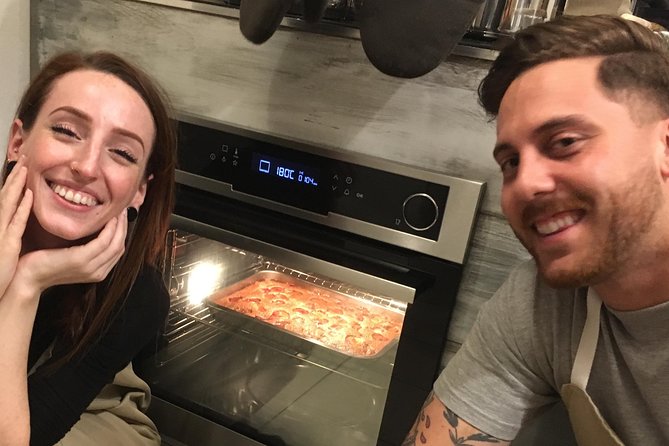
Wine is woven through the class instead of being added as a single drink with dinner. You taste three Czech wines, with Moravian wine appearing often in the evening, and sample a Czech fruit brandy.
For many people, this is an important part of learning about the country. Czech beer gets much of the international attention, but wine is also tied to local agriculture and regional traditions, especially in Moravia. Tasting several wines beside different foods gives you a better sense of how they work with the meal.
The brandy sample is small, so do not treat this as a spirits tasting. It is a brief introduction to another Czech drinking custom. If you do not drink alcohol, the supplied information does not specify alternatives, so ask before booking.
The wine service also supports the social side of the class. You sit, compare flavors, and talk while the cooking moves along. Solo visitors can join a small group, and couples or families have a natural setting for conversation with other people.
Bret’s hosting is central to the experience
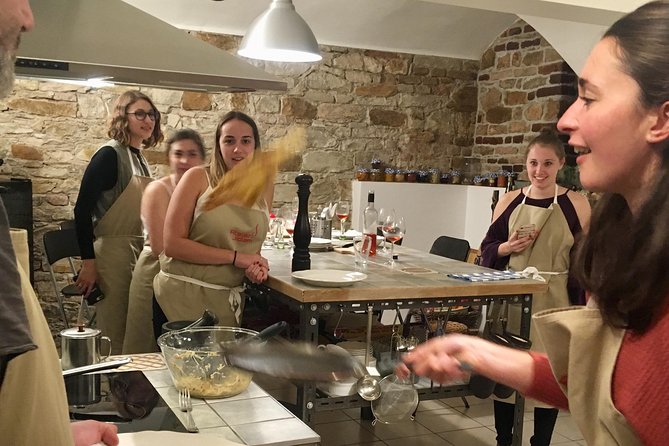
The food is important, but the host shapes the evening. Bret leads the class and explains the ingredients, recipes, food customs, and Czech history behind the dishes. On some occasions, his sister Svetlana helps host.
The setting has been described as a cozy historical basement space. That gives the evening a more personal feel than a bright commercial kitchen, though visitors who prefer a polished cooking studio may find it more home-style.
Bret is also involved in the social flow. You can expect cooking, eating, music, wine, questions, and plenty of conversation rather than a strict lesson with long stretches of silence. The small group makes this easier. With no more than eight people, you have a better chance to participate and speak directly with the host.
This format works especially well for solo visitors. The activity gives you a shared table and a built-in way to meet people without requiring you to join a large bus tour. It also suits families and multigenerational groups, as long as everyone is comfortable with a long meal and alcohol-centered tasting.
Why the three-and-a-half-hour timing matters
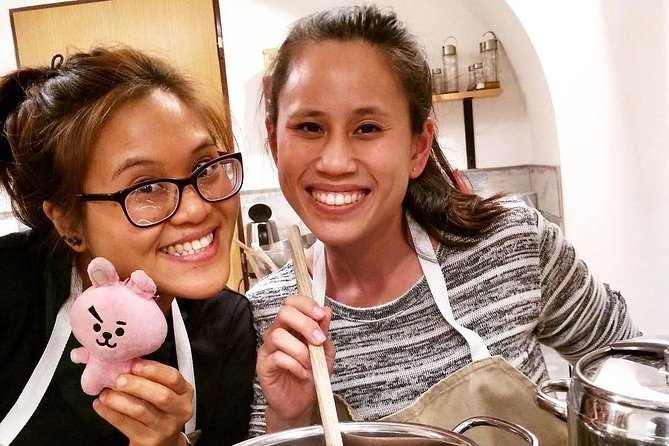
The listed duration is about three hours and thirty minutes. That is long enough for the experience to feel like an evening out rather than a quick cooking demonstration.
You should leave room around it in your Prague plans. The class begins and ends at Křižíkova 70/67 in Karlín, Prague 8, and the location is near public transportation. Since the activity returns to the meeting point, you do not need to arrange a separate pickup or figure out a distant drop-off.
The timing also lets the class breathe. You taste before cooking, prepare selected dishes, listen to explanations, drink wine, and sit down for the meal. A shorter format would likely cut the conversation or reduce the number of foods you try.
On the other hand, three and a half hours is a serious commitment after a full day of sightseeing. If you are tired, have young children who need a quick meal, or want a fast restaurant stop, choose something simpler. This is built around lingering.
Who gets the best value for $167.75?
The price is high for a meal in Prague, even one with several courses. You should not book this expecting the lowest-cost way to eat Czech food. You can find cheaper dishes in restaurants and markets.
The value comes from the combination of food, instruction, drinks, personal hosting, and a group of no more than eight. You are paying for access to a host who explains why the dishes matter, gives you tasks in the kitchen, and creates an evening around the meal.
I would consider the price reasonable for a special occasion, a first visit to Prague, or anyone who regularly books food experiences while abroad. It is also a strong choice if you want a social evening and prefer learning through food instead of sitting through a formal cultural talk.
The value is weaker if you mainly want a large dinner. Much of the class is about participation and conversation, so you should care about the process as much as the final plate.
The activity is often booked well in advance, around 50 days ahead on average. That suggests you should reserve early if your Prague dates are fixed, especially if you want a particular evening.
Small details that can shape your choice
The class is offered in English, which makes the food explanations and conversation accessible to English-speaking visitors. A mobile ticket is accepted, and confirmation arrives at booking.
The menu changes with the season, and the listed dishes are examples rather than a guaranteed sequence. You may help prepare bread or bread dumplings with a spread, vegetable pancakes, and a cake or dessert, while the host prepares one main dish ahead of time.
Free cancellation is available if you cancel at least 24 hours before the start time. Changes or cancellations inside that window are not refunded, and the activity requires a minimum number of people. If that minimum is not met, you are offered another date or experience, or a full refund.
Should you book this Czech food class?
Book it if you want a personal food evening, not just a cooking lesson. Bret’s hosting, the small group, Moravian wine, hands-on dumplings and pancakes, and the wide tasting menu give you a clear connection between Czech food and daily life.
I would especially recommend it for solo visitors, food-focused couples, families with older children, and anyone who likes to learn through conversation. It also makes sense late in a Prague stay, when you have already sampled restaurant food and want to understand what sits behind it.
Skip it if you need a quick, inexpensive dinner, dislike alcohol-centered activities, or require a fixed menu. For everyone else, the combination of cooking, storytelling, wine, and a full Czech meal makes this one of the more distinctive ways to spend an evening in Prague.
FAQ
Where does the Czech cooking experience begin and end?
It begins and ends at Křižíkova 70/67, 186 00 Praha 8-Karlín, Czechia. The location is near public transportation.
How long does the experience last?
The experience lasts approximately three hours and thirty minutes.
How many people can join the class?
The activity has a maximum of eight travelers.
Who leads the cooking class?
Bret leads the experience, and he may be joined by his sister Svetlana. The experience is always led by one or both hosts.
What food will be prepared?
Depending on the season, you may help prepare bread or bread dumplings with a spread, vegetable pancakes, and a cake or dessert. Possible main dishes include svíčková, beef goulash, Spanish bird, roasted duck, rabbit with vegetables, and beef with mushrooms.
What drinks are included?
You taste three Czech wines and a sample of Czech fruit brandy.
Can I cancel for a full refund?
Yes. You can cancel at least 24 hours before the experience start time for a full refund. Cancellations or changes made less than 24 hours in advance are not refunded.
Just added in Prague
- World War II 4WD Tour from Prague with Lunch★ 4.4 · 3 reviews
- WWII and Communism History in Prague’s Old Town Private Tour★ 5.0 · 4 reviews
- Prague: Historical Walking Tour with Focus on World War 2★ 4.3 · 12 reviews
- Unique salt cave in Prague★ 4.9 · 10 reviews
- Walking tour of Prague in french: Old Town & Charles Bridge★ 4.9 · 62 reviews
- Prague: Market Tour and Traditional Czech Cooking Class★ 4.7 · 19 reviews
- Ultimate Unlimited Beer Pong with Czech Beer★ 4.6 · 5 reviews
- Walking tour of Prague in French : Nové Město★ 4.9 · 16 reviews
Tours in Prague, compared.

Castle Tour with Local Guide and Entry Ticket
Read our review →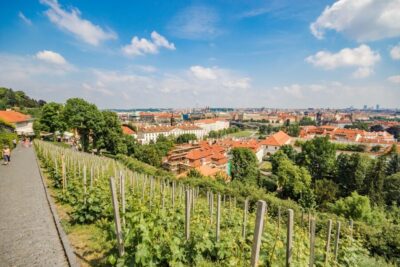
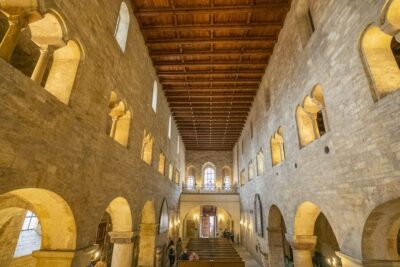
Prague Castle 2.5-Hour Tour Including Admission Ticket
Read our review →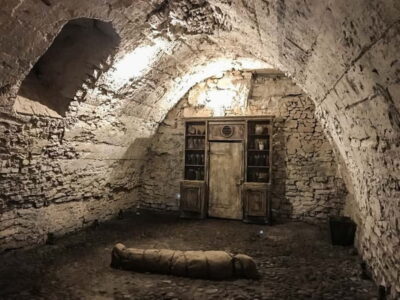
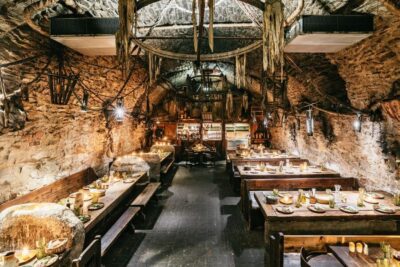
Oldtown, Medieval Underground & Dungeon History Tour
Read our review →