
Reviewed · HISTORICAL TOURS
The Ultimate Prague History Tour
Prague’s best stories often hide just beyond its famous sights. This private tour reaches the Castle through quiet Nový Svět, follows the city downhill through Lesser Town, and uses the river and Old Town to connect architecture with religion, politics, art, and Czech independence. Günther shapes the route around your interests, rather than forcing every group through the same script.
I like two things right away: the crowd-avoiding route and the guide’s ability to explain why buildings look the way they do. You also get a rare mix of major sights and overlooked corners, from St. John’s Hill to Kampa Island. The tradeoff is simple: seven hours on foot is a serious day, and extra admission fees can raise the total beyond the advertised price.
Key points to know before booking
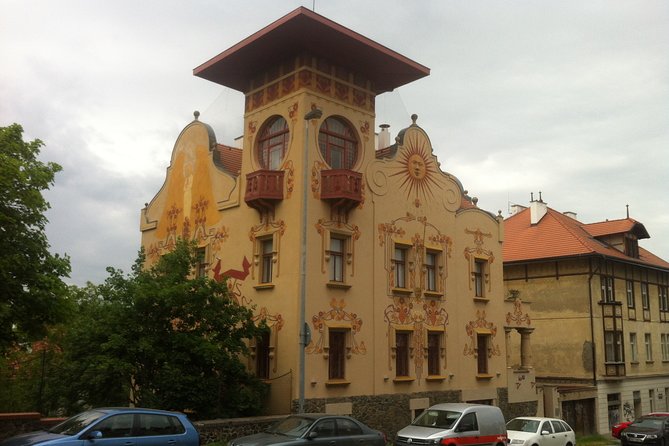
- Nový Svět gives you a quieter approach to Prague Castle, with a free 30-minute walk through one of the city’s most picturesque quarters.
- Günther adapts the day to your pace and interests, including possible changes when illness, weather, or practical problems affect the plan.
- The tour connects art, faith, and politics, from Loreta and St. Vitus Cathedral to the National Theatre and Municipal House.
- It is a private experience for your group only, with pickup available in the defined area and public transport used when useful.
- Several attractions cost extra, including Loreta and Museum Kampa, while dinner is not included.
- You need moderate fitness and good walking shoes, since the route lasts about seven hours and includes hills, streets, and changing neighborhoods.
A seven-hour route with a clear sense of place
This is not a checklist tour that rushes from one postcard view to the next. The route gives Prague a narrative shape. You begin above the river near the Castle, move through religious and royal Prague, descend into Lesser Town, cross the Vltava, and finish in the historic center.
Günther’s specialty is explaining connections. A church is not just a church. A bridge is not just a way across the river. The National Theatre becomes part of the Czech struggle for independence, and Art Nouveau becomes a story about how Prague wanted to present itself as a modern European capital.
The day is private, so your group can ask questions and adjust the pace. That matters here. Prague rewards slow looking, but it can also wear you down with hills, cobbles, and long stretches of standing. Plan on comfortable shoes, water, and a willingness to keep moving.
Bottled water is included. Dinner is not. The tour is offered in English, and pickup is available within the defined area. Public transportation may be used during the day, which is useful when walking the entire route would waste energy.
A few more things to do in Prague worth a look
- Prague: Oldtown, Medieval Underground & Dungeon History Tour
★ 4.2 · 8,244 reviews - Prague Old Town, Medieval Underground and Dungeon Historical Tour
★ 4.5 · 3,227 reviews - Prague: Communism History and Nuclear Bunker Guided Tour
★ 4.7 · 2,417 reviews
Nový Svět: the smart way to approach Prague Castle
Many Castle visits begin in the thick of the crowds. This route takes a different approach. You get off the tram beyond the Castle and walk through Nový Svět, a small quarter known for picturesque streets and a much quieter feel.
The 30-minute walk is free and works as a gentle introduction to Prague. Instead of beginning with a grand gate and a mass of tour groups, you start with a more intimate look at the city’s old residential fabric. The contrast helps you understand that Prague is not only a collection of grand monuments.
I especially like this opening because it creates breathing room before the day’s major sights. The drawback is that even this calm beginning includes walking on uneven streets, so it is not ideal for anyone hoping for a mostly vehicle-based tour.
Loreta: a sanctuary worth the extra admission
Loreta is scheduled for about an hour. Its monastery-like setting, church, treasury, and connection to the cult of St. Mary make it one of the most distinctive religious sites on the route.
Admission is not included, so you should budget for a separate ticket. The visit makes sense if you enjoy sacred art, church interiors, and the way legends shape a city’s identity. Günther also presents recent research connected to Loreta’s long-standing mystical traditions, giving the stop more substance than a quick look at the façade.
This is one place where the tour’s emphasis on religion and politics becomes clear. You are not simply told what the building is. You get help understanding why it mattered and how its stories were used.
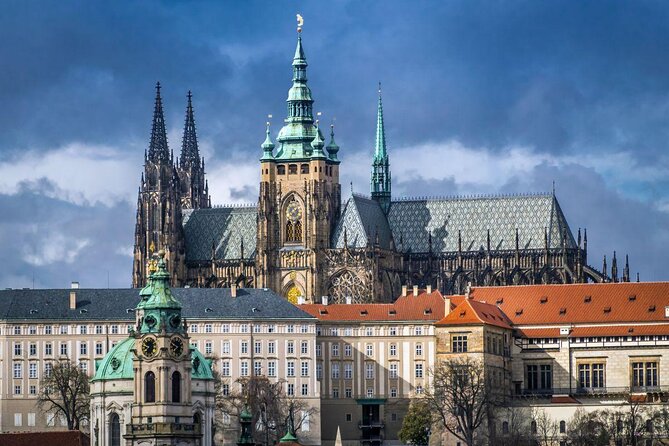
Prague Castle and the Gothic story behind St. Vitus
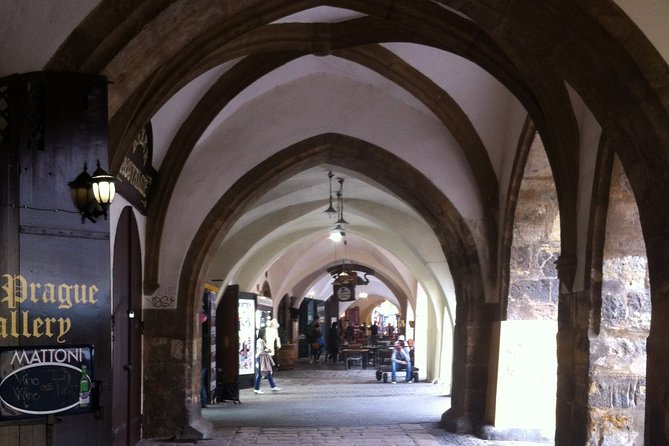
Prague Castle is the centerpiece of the day, and it is also the busiest stop. The planned visit lasts about 90 minutes, but the exact approach is decided on the spot. That flexibility is practical. If the grounds are packed, your guide can place more emphasis on the surrounding area or choose what is most worthwhile for your group.
The cathedral is the key subject. Its unusual position within the Castle is tied to both religious and political reasons, and Günther spends time explaining the development of Gothic architecture. This is more useful than memorizing dates. You learn how new building methods, religious aims, and royal ambition came together in a style that changed European cities.
The stated admission for this stop is free, but the itinerary does not promise a full paid interior visit. Ask before booking exactly which Castle areas are planned for entry and which will be viewed from outside. That detail can affect your expectations and your budget.
Same streets, a different kind of outing:
- Prague: 50-Minute Sightseeing Evening Cruise
★ 4.2 · 33,780 reviews - Prague: Medieval Dinner with Unlimited Drinks
★ 4.4 · 19,847 reviews - Prague: Skip-the-line Castle Ticket and Optional AudioGuide
★ 4.3 · 11,121 reviews - Prague: Castle Tour with Local Guide and Entry Ticket
★ 4.6 · 10,422 reviews
Nerudova and St. John’s Hill: past the tourist street
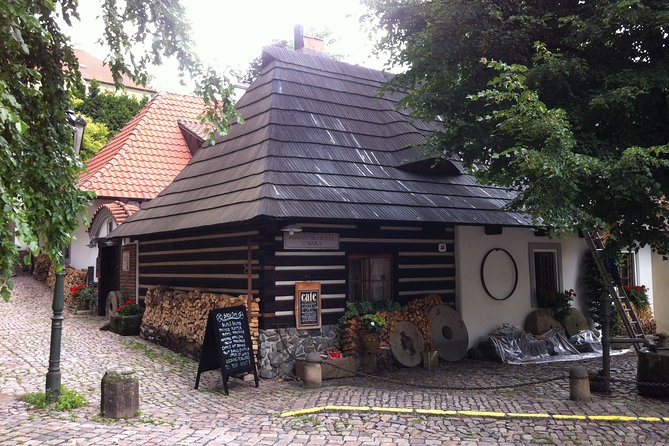
From the Castle, the route heads toward Nerudova, one of Lesser Town’s prettiest and most heavily visited streets. It is photogenic, but it can feel crowded and commercial.
The tour does not linger only on the obvious stretch. After a short time, you turn toward St. John’s Hill, a quieter neighborhood once associated with Italian artists. The story here links art, religion, and politics, giving the walk a strong sense of local character.
This is a good example of the route’s general method: see the famous street, then step away from it. Admission is not included for this portion, though much of the experience is a walk through public streets and neighborhoods.
Lesser Town Square and the Maltese quarter
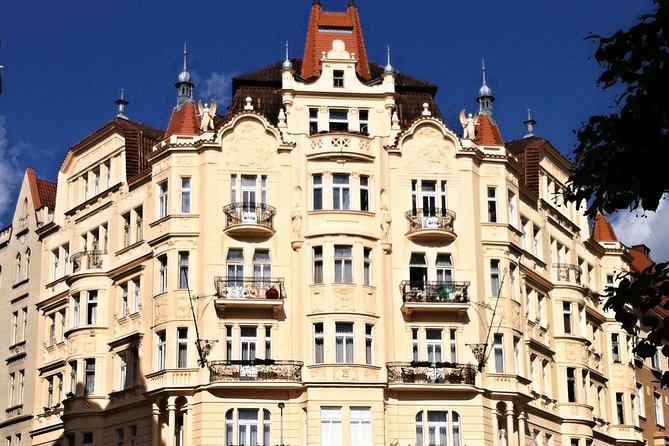
Malostranské náměstí, or Lesser Town Square, brings together architecture, religious upheaval, Baroque design, and stories of espionage during the First World War. Allow about 30 minutes here.
The square works as a pause between the Castle district and the river. It also gives you a chance to see how power was displayed through churches, palaces, and public space. The setting is beautiful, but it is not quiet or undiscovered, so the value comes mainly from the explanation and the historical links.
Next comes Maltese Square, another 30-minute stop near the Vltava. You see the church and embassy of the Knights of Malta, as well as the palace connected with the French Embassy. A visit to the embassy palace may be possible by prior request, but it is not guaranteed, so treat it as an optional possibility rather than a promised feature.
The route continues toward the Lennon Wall and Kampa Island. The wall is described frankly as only a sad remnant of what it once was. That honesty is useful. You will not be sold an inflated version of the site. Kampa, by contrast, offers a greener break with several points of interest.
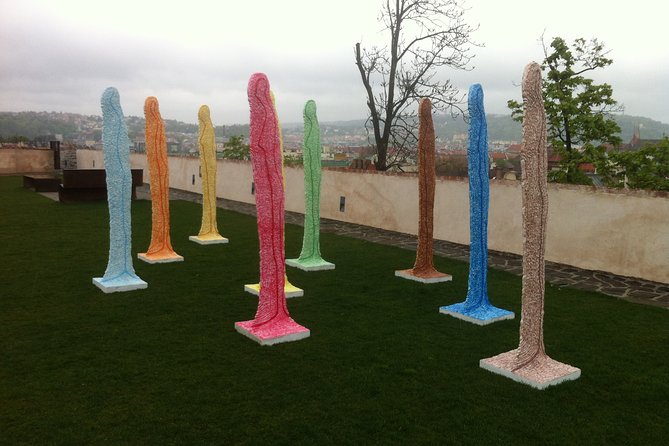
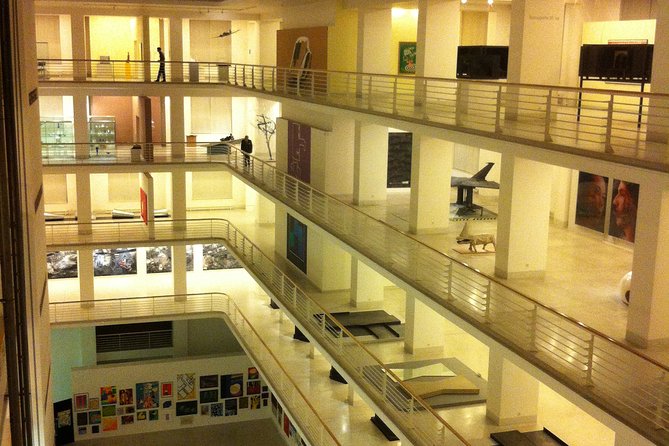
Museum Kampa and the story of František Kupka
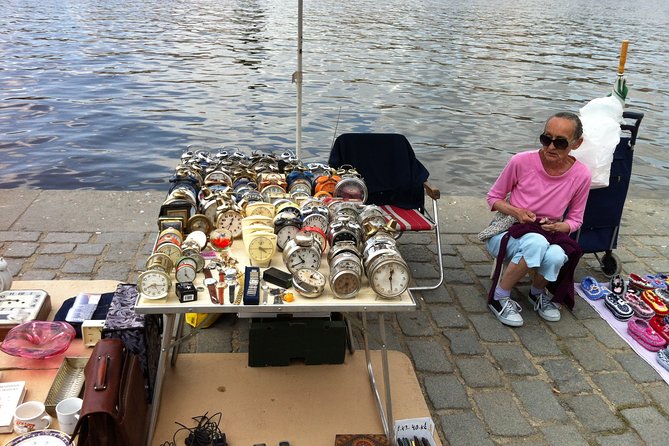
Museum Kampa is scheduled for 30 minutes and requires a separate admission fee. It occupies a former mill and is especially valuable for its collection of František Kupka, one of the early figures in abstract painting.
Günther also tells the story of the woman who helped create the museum and shaped Prague’s recent cultural life. That personal angle adds a human thread to what could otherwise be a short art stop.
Half an hour is enough for an introduction, not a full museum visit. If modern art is a priority, you may want to ask whether more time can be shifted here from another stop. If it is not your interest, the flexible format allows the day to focus elsewhere.
Legions’ Bridge and the National Theatre
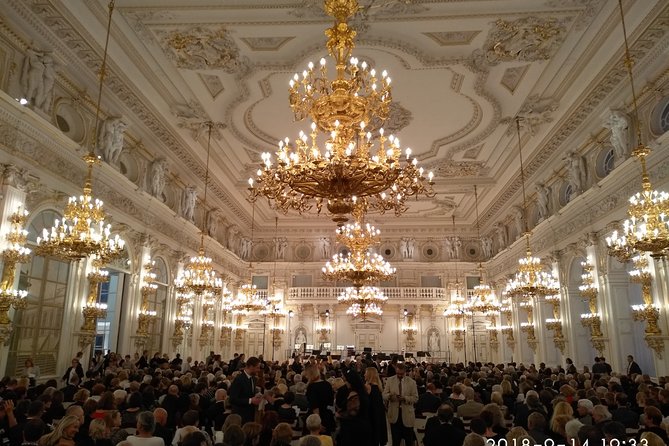
If Charles Bridge is too crowded, you cross the river on Legions’ Bridge instead. This is a sensible choice, not a lesser substitute. The bridge gives you a different view of the Vltava and leads toward the National Theatre.
The bridge crossing is planned for about 30 minutes. The National Theatre is important because of its role in the Czech fight for independence during the 19th century. Günther provides a detailed introduction, so the building becomes part of a national story rather than just another ornate riverside landmark.
This is one of the strongest parts of the tour for anyone interested in politics and culture. The route shows how a theatre could carry meaning far beyond entertainment.
Old Town beyond the usual squares
In Stare Mesto, or Old Town, you walk in several directions according to what you have already seen. The stated aim is to show less familiar sights and explain how medieval villages grew into cities.
That focus gives the Old Town portion a useful purpose. Prague’s center can feel like one large historic stage, but the route encourages you to look at how streets, buildings, and districts developed over roughly a thousand years.
The planned time is only about 30 minutes, so do not expect a full survey of every major Old Town sight. The strength here is selection. If you have already seen the Astronomical Clock, Charles Bridge, or other headline attractions, this flexible stop can fill in the gaps.
Municipal House and a final coffee
If time remains, the day finishes at Municipal House, Prague’s most celebrated Art Nouveau building. The building includes a concert hall, exhibition space, restaurants, and a café.
The proposed 30-minute coffee stop is not just a rest. It gives Günther a chance to explain how Art Nouveau developed and how Prague used the style to express a new civic identity. Since coffee is not listed as included, expect to pay for your own drink.
Ending here makes practical sense. After hours of walking, you get a seat, a final architectural lesson, and a chance to ask for suggestions about the rest of your stay.
How much value do you get for $216.25?
At $216.25 per person, this is expensive compared with a standard group walking tour. The price is easier to justify if you are traveling as a small private group and plan to use the guide’s flexibility fully.
You are paying for roughly seven hours, personal pickup within the defined area, a private format, transport advice, and a route that can change around crowds and interests. The guide’s expertise also matters more here than it would on a simple landmark walk. The day covers architecture, religion, political history, art, and practical city advice in one sitting.
The value drops if you want only a short orientation or if you dislike long walks. You should also add possible admission charges for Loreta and Museum Kampa, plus any paid Castle areas and your own food and drinks.
The tour is booked an average of 87 days in advance, which suggests you should plan early if your dates are fixed. It has a 4.9 rating, with 97 percent recommending it, based on 29 ratings. The strongest praise centers on Günther’s subject knowledge, personal care, language skills, flexibility, and help during unexpected problems.
Several accounts describe him arranging practical help when someone became ill or when a wallet was stolen, including assistance with police and embassy matters. That is not a sightseeing feature you should expect to need, but it does show the level of personal support he aims to provide.
Who should book this Prague history walk?
I would choose this tour if you want Prague explained rather than simply displayed. It suits first-time visitors who want a strong foundation, repeat visitors who have already seen the main sights, and anyone drawn to architecture, art, religious history, or Czech politics.
It is also a good fit for people who value a private guide and want to ask questions without holding up a large group. Families or mixed-interest groups may benefit from the ability to adjust the route, though the seven-hour length still requires stamina.
I would think twice if your priority is modern Czech history after 1900. One rating specifically found the emphasis too centered on earlier centuries, from the medieval period through the 18th century. You should raise your interests before the tour begins and ask Günther to give more time to the 20th century if that is your main concern.
Good weather is required. If poor weather cancels the experience, you are offered another date or a full refund. You can cancel for a full refund up to 24 hours before the start time, but changes or cancellations inside that window are not accepted.
FAQ
How long is The Ultimate Prague History Tour?
The tour lasts approximately seven hours.
What language is the tour offered in?
The tour is offered in English.
Is this a private tour?
Yes. Only your group participates in the activity.
Is pickup available?
Yes. The guide offers personal pickup anywhere within the defined pickup area.
Are admission fees included?
No. Admission is not included for Loreta or Museum Kampa. The Castle portion is listed as free, but the exact decision about walking through the Castle is made on the spot.
Is food included?
Bottled water is included. Dinner is not included, and coffee at Municipal House is not listed as included.
How physically demanding is the tour?
You should have a moderate level of physical fitness. The route lasts about seven hours and includes extensive walking, hills, and public transportation.
Can I cancel for a full refund?
Yes, if you cancel at least 24 hours before the experience begins. Poor-weather cancellations offer a different date or a full refund.
Should you book it?
Book this tour if you want a full day of connected stories, a private guide, and a route that makes a real effort to avoid the worst crowds. Günther’s strength is tying Prague’s buildings to the forces that shaped them, while still helping with practical needs along the way.
Skip it if you want a short, low-cost introduction, a mostly modern-history tour, or a day with little walking. For the right visitor, the price buys more than sightseeing: it buys context, flexibility, and a guide who can turn Prague’s grand monuments and quiet side streets into one coherent story.
Just added in Prague
- World War II 4WD Tour from Prague with Lunch★ 4.4 · 3 reviews
- WWII and Communism History in Prague’s Old Town Private Tour★ 5.0 · 4 reviews
- Prague: Historical Walking Tour with Focus on World War 2★ 4.3 · 12 reviews
- Unique salt cave in Prague★ 4.9 · 10 reviews
- Walking tour of Prague in french: Old Town & Charles Bridge★ 4.9 · 62 reviews
- Prague: Market Tour and Traditional Czech Cooking Class★ 4.7 · 19 reviews
- Ultimate Unlimited Beer Pong with Czech Beer★ 4.6 · 5 reviews
- Walking tour of Prague in French : Nové Město★ 4.9 · 16 reviews
Historical Tours, compared.
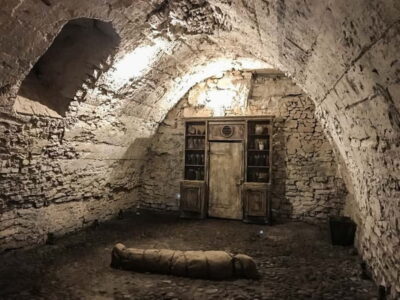
Oldtown, Medieval Underground & Dungeon History Tour
Read our review →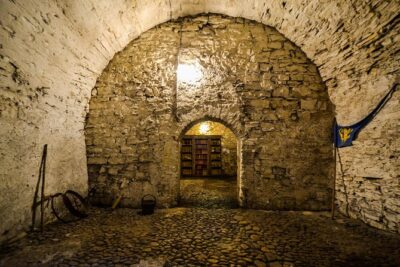
Prague Old Town, Medieval Underground and Dungeon Historical Tour
Read our review →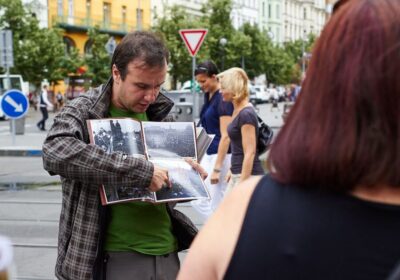
Communism History and Nuclear Bunker Guided Tour
Read our review →
Historic City Center Bus Tour with Top Sights
Read our review →
Prague Historic Pub Tour with Drinks Included
Read our review →
Prague Communism History and Nuclear Bunker Tour
Read our review →
Hop-on Hop-Off Historical Tram Ticket for Line 42
Read our review →
Top Sights and Historic Center Introduction Tour
Read our review →Browse the lists this tour appears in